- LGBTQ+ Friendly
- 1 City Guide
- 0 Likes
- Leave a comment
About Uruguay
Uruguay at a glance
Uruguay is one of South America’s most approachable and easygoing destinations, especially for travelers who want a relaxed trip with strong urban culture, long Atlantic beaches, and a compact geography that makes it easy to combine city time, coastal escapes, and smaller-town stays in one visit.
Located in the Southern Cone, Uruguay is bordered by Argentina, Brazil, the Río de la Plata, and the Atlantic Ocean.
That position gives it a distinctive feel: it is firmly South American, yet often experiences as calm, orderly, and understated compared with some of its larger neighbors.
For LGBTQ+ travelers, that same sense of low-key practicality is part of the appeal.
Uruguay is widely regarded as one of the region’s more progressive countries, and travelers often find that its overall atmosphere is more relaxed than flashy.
The country’s main draws are not limited to policy or urban reputation, though.
It offers a mix of elegant riverfront and seaside scenery, walkable neighborhoods, café culture, a notable wine scene, and a steady rhythm of everyday life that can be especially appealing to visitors looking for a destination that feels welcoming without being overhyped.
Why travelers come here
Montevideo is usually the first stop and often the main base.
The capital has a broad waterfront promenade, a historic center, residential neighborhoods, markets, and a strong arts-and-culture identity.
It is a city for lingering rather than rushing: visitors can spend time in cafés, browse museums and galleries, and get a feel for Uruguayan daily life at a pace that is noticeably calmer than many other South American capitals.
The city’s laid-back character, coastal setting, and urban convenience make it a natural fit for travelers who want both city amenities and room to breathe.
Beyond Montevideo, Uruguay’s coastline is a major reason to visit.
The country is known for long stretches of beach, seaside towns, and a summer holiday culture that shapes much of the country’s travel season.
Punta del Este is the best-known resort destination, famous for its beaches, polished resort feel, and energetic seasonal atmosphere.
Nearby coastal spots and beach towns offer a more subdued experience, with a slower pace and easy access to the sea.
Inland, smaller cities and rural areas add historic architecture, colonial-era heritage, and vineyard country to the mix.
Culture and character
Uruguayan culture is often described as thoughtful, social, and rooted in everyday rituals rather than spectacle.
Travelers will notice strong café and street-corner culture, a love of conversation, and a national identity that feels distinct within the Southern Cone.
The country is especially known for mate, the herbal infusion shared widely in daily life, and for a cuisine shaped by beef, bread, pastries, and maritime influences.
Football is deeply woven into the national identity, but so are literature, music, theater, and neighborhood life.
What makes Uruguay distinctive is its combination of progressive urban culture and small-country ease.
It has a reputation for civic stability and social moderation, and that atmosphere is reflected in the way many visitors experience the country: as relaxed, practical, and relatively easy to navigate.
For many LGBTQ+ travelers, that can translate into a trip that feels less performative and more comfortable, with the freedom to focus on beaches, food, culture, and time with friends or partners rather than on working around a highly intense travel environment.
Food and drink
Uruguayan food is comforting and straightforward, with a strong emphasis on grilled meat, baked goods, and casual social eating.
Asado is a defining part of the culinary culture, and visitors will see barbecue traditions everywhere from neighborhood restaurants to family gatherings.
Chivito, the country’s famous sandwich, is another classic that many travelers seek out.
Baked empanadas, pastries, and café snacks are also part of the daily rhythm, especially in Montevideo and other urban centers.
Uruguay is also a rewarding destination for wine travelers.
The country’s wine production may not be as globally famous as some neighboring regions, but it is an important part of the national food culture and pairs well with the country’s restaurant scene.
Along the coast, seafood appears more prominently, while inland dining tends to lean toward meat, simple seasonal dishes, and generous portions.
Travelers who enjoy unpretentious food, local specialties, and lingering meals will likely find Uruguay especially appealing.
Top destinations and what they offer
Montevideo is the cultural and practical heart of the country, with neighborhoods that each have their own personality, a scenic waterfront, and an urban atmosphere that feels manageable rather than overwhelming.
It is well suited to travelers who like cities that can be explored on foot, especially those who enjoy architecture, museums, markets, and cafés.
It also works well as a base for wider exploration because the country is relatively compact and travel distances are modest by South American standards.
Punta del Este is Uruguay’s best-known beach destination and a major draw in the high season.
It is where visitors go for a more resort-oriented experience, with beaches, nightlife, and a polished holiday atmosphere.
For travelers who prefer something quieter, Uruguay’s smaller coastal towns and inland destinations provide an alternative mood: more space, fewer crowds, and a slower pace that can be ideal for a restorative trip.
Colonia del Sacramento is another standout, especially for travelers interested in historic streetscapes and a more atmospheric, small-scale stop.
Its old town is widely recognized for its colonial charm and relaxed pace, making it a strong complement to Montevideo or the beach resorts.
Elsewhere in the country, rural and wine-growing areas add another layer to the trip, particularly for visitors who want to experience Uruguay beyond the capital and coast.
Typical travel appeal
Uruguay tends to appeal to travelers who value comfort, calm, and a destination that feels manageable.
It is a strong choice for a first trip to the Southern Cone, a side trip from Buenos Aires or southern Brazil, or a standalone vacation centered on culture, beaches, and food.
Because it is relatively small, it is possible to see a good cross-section of the country without spending much of the trip in transit.
For LGBTQ+ visitors, Uruguay’s appeal is not only in its urban sophistication but also in the way the country blends social progressiveness with everyday normalcy.
Rather than feeling like a destination that demands constant planning around identity, it often feels like a place where travelers can simply enjoy the trip.
That makes it especially attractive for couples, friends, and solo travelers who want a destination with coastal beauty, good infrastructure, and a generally relaxed travel rhythm.
What makes Uruguay distinctive
Uruguay stands out because it combines several qualities that are not always found together: a progressive social climate, compact size, strong beach culture, a capital city with real personality, and a national style that is both understated and welcoming.
It is not a country built around dramatic extremes.
Instead, its strength lies in balance—urban and coastal, elegant and casual, culturally rich but easy to navigate.
That balance is what makes Uruguay such a satisfying travel destination.
It rewards visitors who enjoy wandering, eating well, and getting to know a place through its everyday life.
For LGBTQ+ travelers especially, it offers a chance to experience South America in a setting that often feels open, civil, and pleasantly unhurried.
LGBTQ+ Overview
Overview
Uruguay is one of the most LGBTQ+-inclusive countries in Latin America and is generally a comfortable destination for LGBTQ+ travelers. The legal framework is broadly protective, same-sex relationships are legal, same-sex marriage is legal, adoption rights are available to same-sex couples, and legal gender recognition is available. Anti-discrimination protections also exist in law, which helps set a relatively welcoming baseline for day-to-day travel.
For visitors, the overall experience is usually straightforward, especially in Montevideo and other more urban or tourist-facing areas. Public displays of affection are more likely to draw little attention than in many neighboring countries, though attitudes can still vary by age, neighborhood, and social setting. As elsewhere, travelers may encounter occasional conservative reactions in smaller towns, rural areas, or in more traditional family settings, but Uruguay is widely regarded as socially progressive by regional standards.
Legal status and traveler realities
From a practical travel perspective, the most important point is that same-sex couples and transgender travelers do not face the same legal constraints common in less protective destinations. You should not expect issues around entering as a couple, booking a room together, or moving around the country because of your identity. That said, legal equality does not eliminate every risk. Harassment, gossip, or uncomfortable attention can still happen, particularly if someone is visibly gender-nonconforming or traveling outside major urban areas.
Uruguay’s protections are strongest in law and public policy, and travelers generally benefit from that. Still, LGBTQ+ people should remember that police response, hotel staff attitudes, or interpersonal reactions can vary in practice. If a problem arises, it is usually more likely to be an issue of individual bias than of formal legal discrimination. Carrying standard travel documents and having a clear plan for where to stay and how to get around remains sensible, especially for trans and nonbinary travelers whose appearance may not match their documents.
Social climate
The social climate is broadly accepting, especially in Montevideo, where LGBTQ+ visibility is more common and travelers are likely to blend in without difficulty. Uruguay has a reputation for being comparatively liberal, secular, and orderly, and that tends to translate into a calmer travel experience for queer visitors. In bars, restaurants, hotels, and cultural venues, the common expectation is usually one of polite neutrality or acceptance rather than overt scrutiny.
Outside the capital, the atmosphere can be less visibly diverse, even if not openly hostile. Travelers may find that overt queer visibility attracts more attention in smaller communities simply because it is less common there. This does not necessarily mean danger, but it does mean discretion can still be useful in more conservative contexts. If traveling as a same-sex couple, it is wise to read the room in formal settings or when interacting with older generations, even though legal and social conditions are generally favorable.
Common traveler risks
The main risks for LGBTQ+ travelers in Uruguay are not usually targeted violence or legal trouble; they are more often low-level issues such as unwanted attention, insensitive remarks, or a mismatch between traveler expectations and local norms of privacy. Street crime and opportunistic theft, which affect all travelers, are likely to be a more realistic concern than LGBTQ+-specific threats in most situations. Standard urban travel precautions are still important, particularly at night or in unfamiliar areas.
Trans travelers may face the most uneven experiences, not because of the law but because of varying levels of understanding in everyday interactions. If your passport or ID does not align neatly with your presentation, it is prudent to plan ahead for airport, hotel, or transport checks, and to keep documentation easily accessible. While these situations are not usually severe in Uruguay, they can still be stressful, especially if you are traveling alone.
Support resources and where to turn
Uruguay has an established LGBTQ+ rights environment and a civil-society presence that has supported that progress, but travelers should not rely on a single specific venue or organization unless they have confirmed current details before departure. In a practical sense, the most useful support will often come from mainstream services in Montevideo, such as reputable hotels, international-standard healthcare providers, and embassies or consulates if you run into serious difficulty. If you need help, seek out service providers that are accustomed to international visitors and can communicate clearly in your language or in Spanish.
If you are planning a longer stay, work trip, or relocation, it is worth checking current local LGBTQ+ advocacy information shortly before travel, because community groups, events, and contact details can change. For short-term tourism, however, most LGBTQ+ visitors will not need specialized assistance beyond ordinary travel support networks. The country’s legal protections and generally accepting environment mean that many trips proceed without incident.
Recent trajectory
Uruguay’s recent trajectory has been strongly positive. The country has built a reputation over time as one of the region’s leaders on LGBTQ+ rights, and its legal and social environment reflects that trajectory. For travelers, the practical takeaway is that Uruguay is not just tolerant on paper; it is generally comfortable and comparatively low-risk in everyday use. While no destination is completely free of prejudice, Uruguay stands out as a place where LGBTQ+ visitors are likely to have a relatively easy and low-stress experience.
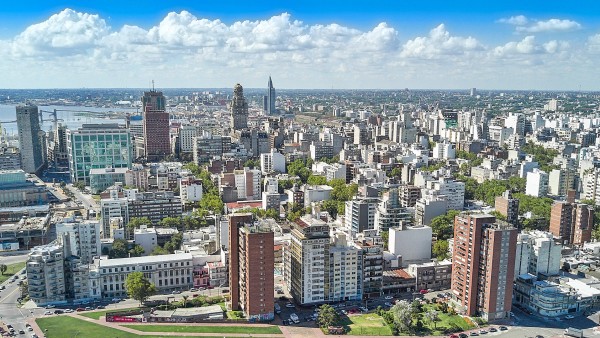
Montevideo
Where coastal promenades meet a welcoming urban rhythm