- LGBTQ+ Friendly
- 3 City Guides
- 0 Likes
- Leave a comment
About Sweden
Sweden travel overview
Sweden is one of Europe’s most appealing all-round destinations for travelers who like a mix of city style, outdoor space, and an easygoing social atmosphere.
As the largest of the Nordic countries by area and population, it stretches from the urban energy of Stockholm in the east to the wild far north of Lapland, with forests, lakes, archipelagos, and long coastlines shaping much of the journey in between.
For many visitors, Sweden’s draw is that it feels both polished and spacious: you can move from museums, design shops, and excellent restaurants to quiet islands, hiking trails, and starlit winter landscapes with surprising ease.
For LGBTQ+ travelers, Sweden has a particularly strong reputation.
LGBTQ+ rights are widely regarded as among the most progressive in Europe and the world, and that reputation is reflected in the country’s generally open social climate.
Same-sex sexual activity has been legal since 1944, and Sweden has long been a global leader in trans rights.
In practical travel terms, that makes Sweden a destination where many LGBTQ+ visitors can expect a comparatively comfortable and matter-of-fact environment, especially in major cities and established tourist areas.
As always, local attitudes can vary by setting and context, but Sweden is widely seen as one of the most welcoming countries in the region.
What Sweden feels like
Sweden’s personality is a blend of understated sophistication and a deep connection to nature.
It is a country that values functionality, good design, and public order, but it is also one where everyday life often feels close to the outdoors.
Cities are clean and efficient, public transport is reliable in most places, and many neighborhoods are easy to explore on foot or by bike.
At the same time, Sweden’s broader landscape can feel remarkably open: there are deep forests, many lakes, and some 270,000 islands, a geography that supports everything from kayaking and swimming in summer to snow sports and northern lights trips in winter.
The cultural appeal is wide-ranging.
Sweden’s history runs from the Viking Age to the era of the Swedish Empire, and traces of that past appear in museums, historic districts, and archaeological sites.
But the country is just as famous for modern achievements: the Nobel Prize gives Stockholm a particular global prestige, and Swedish pop music has had outsized international influence.
Design and architecture are also major parts of the national identity, and travelers who enjoy clean aesthetics, thoughtful urban planning, and well-curated public spaces will likely find Sweden especially satisfying.
Geography and seasons
Sweden is a long country, and geography strongly shapes the travel experience.
Southern Sweden tends to be milder, greener, and more densely populated, while the north becomes progressively wilder, colder, and more sparsely settled.
The contrast between regions is part of the country’s appeal: you can base yourself in a cosmopolitan city and still reach islands, forests, or lakes without much effort, then continue north for a more remote and dramatic landscape.
Summer is the easiest season for broad sightseeing, especially if you want to combine cities with outdoor time.
Long daylight hours make it ideal for exploring Stockholm’s islands, Sweden’s many lakes, and coastal towns.
Winter, meanwhile, is the season for travelers who want a more atmospheric trip, especially in the north, where snow, darkness, and aurora-hunting can create a memorable Arctic experience.
Spring and autumn are quieter shoulder seasons, often attractive to visitors who want a calmer pace and fewer crowds.
Major destinations
Stockholm is the obvious starting point for many trips.
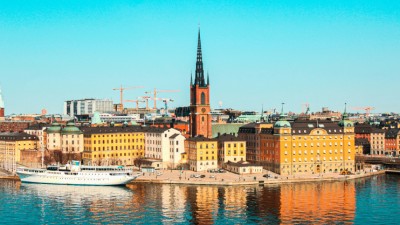
Built across islands and waterways, the capital combines major museums, historic neighborhoods, modern restaurants, ferry links, and a strong sense of place.
It is also the country’s cultural and political center, and for LGBTQ+ travelers it is usually the most straightforward place to find a broad range of services, nightlife, and visitor infrastructure.
The city’s island geography makes it especially scenic, and simply moving around by boat can be part of the experience.
Gothenburg offers a different mood: more compact, laid-back, and maritime.
It is often appreciated for its food culture, relaxed atmosphere, and easy access to the western coast.
Malmo, in the south, is another important urban stop, known for its contemporary feel and its proximity to Denmark across the strait.
Together, these cities show the range of modern Sweden: one refined and archipelagic, one practical and social, and one international and cross-border.
Beyond the cities, the appeal becomes more landscape-driven.
The Swedish countryside offers forests, lakes, cabins, and small towns that suit slow travel and outdoor activity.
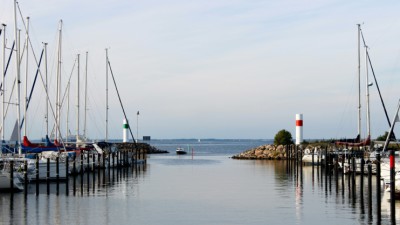
The archipelagos are a major highlight, especially around Stockholm and the west coast, where island-hopping and ferry travel can define an entire itinerary.
Farther north, Swedish Lapland is the place to look for winter wilderness, Indigenous Sámi cultural landscapes, and the experience of traveling in a high-latitude environment.
Food and drink
Swedish food is generally straightforward, seasonal, and rooted in local ingredients, especially fish, potatoes, berries, dairy, and baked goods.
Travelers often encounter a cuisine that is less about flashiness and more about comfort, quality, and restraint.
In cities, however, Sweden also has a strong contemporary dining scene, and Stockholm in particular is known for the breadth and polish of its restaurants.
If you enjoy a trip that includes both casual lunches and carefully prepared tasting menus, Sweden is a strong choice.
Traditional dishes vary by region and season, but a traveler will quickly notice the importance of café culture, open sandwiches, pastries, and coffee breaks.
In everyday life, food is closely tied to routines and social time rather than overly formal occasions, which makes it easy for visitors to settle into local habits.
Seasonal produce, seafood, and preserved flavors play important roles, especially in summer and winter menus.
Why Sweden stands out for LGBTQ+ travelers
Sweden’s distinctive appeal lies in the combination of strong legal protection, social progressiveness, and genuinely varied travel experiences.
It is not just a city break destination or just a nature destination; it offers both, often within the same itinerary.
That makes it especially useful for LGBTQ+ travelers who want a destination that feels practical and welcoming while still delivering memorable scenery, design, food, and culture.
The country’s reputation for equality also helps set expectations: visitors can focus more on planning the trip itself than on managing unnecessary friction.
Another reason Sweden stands out is the ease with which it lends itself to different travel styles.
A first-time visitor might spend a few days in Stockholm, add a ferry-based archipelago escape, then continue to Gothenburg, Malmö, or farther north for a contrasting experience.
Travelers who prefer slower and more nature-oriented trips can lean into cabins, hiking, lakes, and islands.
Those who want a more urban and cultural trip can stay in the south and focus on museums, restaurants, and contemporary city life.
In either case, Sweden tends to reward curiosity, independence, and a willingness to move between the polished and the wild.
In short, Sweden is a destination where LGBTQ+ travelers can expect a high level of comfort, a generally progressive social climate, and an unusually broad range of experiences.
Its blend of natural beauty, modern culture, and strong civic order makes it one of the most versatile and appealing countries in the Nordics.
LGBTQ+ Overview
LGBTQ+ overview
Sweden is one of the most LGBTQ+-friendly destinations in Europe. Legal protections are broadly strong, social attitudes are generally welcoming, and major cities such as Stockholm, Gothenburg, and Malmö are typically comfortable places for openly LGBTQ+ travelers. Same-sex sexual activity has been legal since 1944, and Sweden has a long track record of formal equality measures for lesbian, gay, bisexual, and trans people. For travelers, that usually means low day-to-day risk, especially in urban and tourist areas.
In practice, Sweden’s legal framework is among the strongest in the world. Same-sex marriage is legal, discrimination on grounds including sexual orientation and gender identity is prohibited in key contexts, and trans-related legal recognition is established in law. The country is often cited as a leader on LGBTQ+ rights, and that reputation generally matches the experience most visitors will have on the ground. Public displays of affection between same-sex couples are commonly unremarkable in larger cities and many tourist settings.
The social climate is broadly liberal, but it is still worth remembering that Sweden is not entirely risk-free. As in any country, occasional harassment or stares can happen, and experiences may be less predictable in smaller towns, conservative social circles, or isolated rural settings. Those situations are not usually dangerous in a systematic sense, but travelers who are visibly gender-nonconforming or traveling outside major urban centers may prefer a more cautious read of local surroundings, especially late at night or in unfamiliar neighborhoods.
Recent trajectory has been positive over the long term rather than volatile. Sweden’s LGBTQ+ rights regime has been advanced for decades, and the country continues to be seen as socially progressive by regional and global standards. That said, trans travelers should still plan with practical realities in mind: while legal recognition and public services are comparatively strong, access to respectful treatment can vary by individual staff member, venue, or locality, and not every interaction will feel equally affirming. Carrying identity documents that match your presentation, when possible, can reduce friction during travel.
Support resources are available, though travelers should not assume every general service provider has specialist LGBTQ+ expertise. In a larger city, it is usually straightforward to find inclusive healthcare, accommodation, and nightlife options, and Sweden has well-established civil society awareness around LGBTQ+ issues. If you need urgent help, use the same emergency services available to everyone; for non-emergency support, it is best to rely on well-known local institutions and mainstream travel services rather than expecting a dedicated tourist-facing LGBTQ+ hotline in every region. Before traveling, it is wise to check the current guidance of recognized Swedish LGBTQ+ organizations and official public-health or legal-information sources if you anticipate needing medical care, legal documentation support, or advice on trans-specific services.
Overall, Sweden is a low-risk destination for LGBTQ+ travelers and a very comfortable choice by global standards. The main traveler considerations are ordinary ones: be aware that tolerance can be slightly less uniform outside major urban centers, and plan ahead if you have specific trans healthcare, documentation, or accessibility needs. For most visitors, though, Sweden is best understood as a destination where being openly LGBTQ+ is usually not a barrier to safe, normal travel.