- LGBTQ+ Friendly
- 11 City Guides
- 0 Likes
- Leave a comment
About South Africa
South Africa at a glance
South Africa is one of the most compelling and varied travel destinations in Africa, and for LGBTQ+ travelers it offers a combination that is still relatively rare on the continent: a large, diverse country with strong urban culture, a globally known safari and wildlife scene, a dramatic coastline, and a constitutional framework that protects sexual orientation.
That mix makes it appealing both as a first-time trip to Africa and as a destination that rewards repeat visits.
Geographically, the country is vast and strikingly diverse.
It stretches across the southern tip of the continent, with coastline on both the South Atlantic and Indian Ocean, and landscapes that range from bustling metropolitan cores to mountain ranges, vineyards, semi-arid plains, and world-famous game reserves.
The scale matters when planning a trip: South Africa is not a compact destination, and part of its appeal is moving between very different environments in one itinerary.
What draws travelers here
Many visitors come for the classic highlights: Cape Town’s setting beneath Table Mountain, the Winelands nearby, the Garden Route, safari experiences, and the energy of Johannesburg and Durban.
Others come for history and culture, including the country’s complex modern story, which is reflected in museums, memorials, street art, township life, and a deeply layered urban culture.
South Africa’s tourism appeal is broad enough to suit beach travelers, food and wine travelers, wildlife enthusiasts, road-trippers, and city-break visitors alike.
For LGBTQ+ travelers specifically, South Africa stands out because it is often seen as one of the more openly LGBTQ+-friendly countries on the continent, especially in major cities and established tourism areas.
That does not mean the whole country is culturally uniform, and travelers should still expect a mix of attitudes depending on region, setting, and community.
But compared with many neighboring destinations, South Africa’s combination of legal protections, established tourism infrastructure, and visible queer life in some urban areas makes it a significant regional hub.
Culture, identity, and atmosphere
South Africa is often described as a “rainbow nation,” a phrase that reflects both its post-apartheid identity and its extraordinary cultural plurality.
The country is home to multiple languages, traditions, faiths, and cultural influences, and this diversity is central to the travel experience.
You will notice it in cuisine, music, architecture, and everyday social life.
The result is a destination that can feel both familiar and unfamiliar at the same time: highly international in its major cities, yet unmistakably rooted in southern African history and place.
Travelers usually experience South Africa through contrasts.
Cape Town can feel scenic, cosmopolitan, and design-forward; Johannesburg is urban, fast-moving, and creatively restless; Durban brings a warmer coastal rhythm with a strong Indian-influenced food culture; and smaller towns can feel much more local and conventional.
That contrast is part of the country’s appeal, but it also means LGBTQ+ visitors benefit from reading the room and adjusting expectations depending on where they are.
Food and drink
South African food reflects the country’s diverse histories and communities.
Visitors can expect a broad range of experiences, from high-end tasting menus and wine estates to informal grills, bakeries, seafood, and dishes shaped by Cape Malay, Indian, Dutch, British, and broader African influences.
Cape Town and its surrounding wine regions are especially well known for food and wine travel, while Durban is a major draw for visitors interested in Indian South African cuisine and casual, flavorful eating.
Wine is a major part of the travel experience, particularly in and around Stellenbosch, Franschhoek, and Paarl in the Western Cape.
These regions are among the best-known wine destinations in the country and are easy to combine with Cape Town.
For many travelers, the food-and-wine scene is a major reason to visit South Africa, and it adds a polished, leisurely dimension to a trip that can otherwise be quite adventure-focused.
Key destinations
Cape Town is often the first stop for LGBTQ+ travelers and for good reason.
It offers exceptional scenery, strong hospitality, and access to beaches, hiking, neighborhoods with distinct personalities, and the nearby Cape Winelands.
The city’s combination of natural beauty and urban sophistication makes it one of the easiest places in the country to build a trip around.
Johannesburg, by contrast, is the country’s biggest city and economic center, with a more fast-paced urban character.
It is important for history, contemporary culture, galleries, and as a gateway to travel elsewhere in the region.
Durban adds a coastal, subtropical alternative with beaches and a distinct cultural identity.
For wildlife travel, many visitors head toward Kruger National Park and adjacent private reserves, where South Africa’s safari reputation is at its strongest.
For scenic driving and multi-stop travel, the Garden Route remains a classic route, linking coastal towns, forests, lagoons, and scenic viewpoints.
South Africa is also notable for its proximity to other southern African destinations, but even within its own borders there is enough variety to support very different kinds of itineraries.
A short trip might focus on Cape Town and the Winelands, while a longer one could combine city life, coastal travel, and safari.
That flexibility is one of the country’s biggest strengths.
What makes it distinctive for LGBTQ+ travelers
South Africa is distinctive because it offers depth rather than just one kind of trip.
It is a place where a traveler can move from a cosmopolitan city with a visible queer scene to a wine estate, then on to a wildlife reserve or a dramatic road trip, all within one country.
That breadth is especially valuable for LGBTQ+ visitors who want both leisure and substance in a destination.
At the same time, South Africa is not a destination where you can assume uniform attitudes or experiences.
Safety, comfort, and visibility can vary considerably between cities, suburbs, tourist areas, and more conservative settings.
In practical terms, LGBTQ+ travelers usually find the best experience in major cities and established tourism zones, while using the same common-sense awareness they would in any large and socially diverse country.
The result is a destination that can feel welcoming, exciting, and rewarding, but also one that benefits from thoughtful planning.
In short, South Africa’s appeal lies in its combination of natural beauty, cultural complexity, outdoor adventure, and urban sophistication.
For LGBTQ+ travelers, it offers one of the continent’s most substantial and versatile travel experiences, with enough range to suit romance, exploration, luxury travel, road trips, and wildlife-focused holidays alike.
LGBTQ+ Overview
LGBTQ+ overview
South Africa is one of the most legally protective countries for LGBTQ+ travelers on the African continent. The Constitution prohibits discrimination on the basis of sexual orientation, and same-sex sexual activity is legal. In addition, South Africa legally recognizes same-sex marriage, making the country stand out regionally for its formal equality framework. In practical terms, this means many travelers can move through major cities, tourist areas, and established hospitality settings without needing to hide who they are.
That said, legal equality has not fully translated into uniform social acceptance. Traveler experiences can vary significantly by region, neighborhood, age group, and setting. Large urban centers such as Cape Town, Johannesburg, and Durban tend to be more familiar with openly LGBTQ+ visitors, while more conservative areas and smaller towns may feel less comfortable. Public affection between same-sex couples can draw attention in some contexts, and gender-nonconforming travelers may experience stares, intrusive questions, or occasional harassment even where outright legal danger is low.
Practical traveler risks
The most common risks are social rather than legal: unwanted attention, discriminatory service in some venues, and the possibility of harassment in public spaces or during nightlife travel. As in many destinations, risk can increase at night, when traveling alone, or when relying on unfamiliar transport. Travelers should use the same street and transport caution they would in any major city, while also noting that discretion may be wise in more conservative settings if they want to avoid unnecessary conflict.
Safety is also shaped by South Africa’s broader crime environment. LGBTQ+ travelers should pay close attention to standard precautions around theft, car break-ins, late-night walking, and ride safety. Those risks are not specific to LGBTQ+ people, but they can affect comfort and security, especially if someone is visibly queer or traveling after dark in areas with weak lighting or limited foot traffic. If you are dating locally, meeting new people in a public place first and sharing your plans with someone you trust are sensible habits.
Social climate
South Africa has a visible LGBTQ+ community and an established urban queer culture, especially in major metropolitan areas. Visitors generally report the best comfort level in cosmopolitan districts, reputable hotels, and tourist-oriented businesses. At the same time, social attitudes are not uniformly progressive. Religious conservatism, traditional gender expectations, and misinformation about LGBTQ+ issues remain present in parts of society. That can translate into uneven treatment, particularly for transgender and gender-nonconforming travelers, who may face more scrutiny in bathrooms, security checks, or accommodation settings.
For many travelers, the overall experience is positive if they stay in well-traveled areas and choose inclusive lodging and services. Still, it is realistic to expect a mix of welcoming interactions and occasional discomfort rather than assuming blanket acceptance everywhere. If you are traveling as a couple, it may be worth gauging the atmosphere before being visibly affectionate in unfamiliar places.
Support resources and where to get help
South Africa’s legal protections mean you can generally seek help from ordinary emergency and consular channels if you face a serious safety issue. If you encounter discrimination at a hotel, restaurant, or transport provider, documenting what happened and escalating through management is often the most practical first step. In the event of harassment or assault, seek local emergency assistance immediately and contact your embassy or consulate if you need additional support.
For planning, it is sensible to research current neighborhood conditions, accommodation policies, and recent traveler reports before arrival, since comfort levels can shift by area and over time. International information sources such as ILGA and Equaldex may be useful for a quick legal overview, but they should be paired with current on-the-ground judgment. If you want, I can also provide a city-by-city LGBTQ+ guide for South Africa focused on Cape Town, Johannesburg, and Durban.
Recent trajectory
The overall direction in South Africa has been positive over time, with strong constitutional protections and long-standing legal recognition of same-sex relationships and marriage. The main gap is not the law but the uneven pace of social acceptance and implementation. For travelers, that means the country is generally one of the safer and more welcoming options in the region, but not one where you can assume identical comfort in every context.
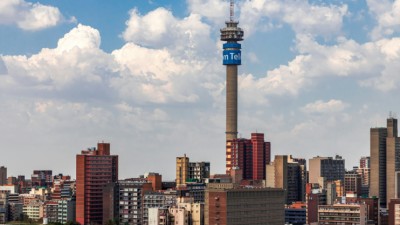
Johannesburg
Where heritage, nightlife, and inclusive travel meet under the Highveld sun.
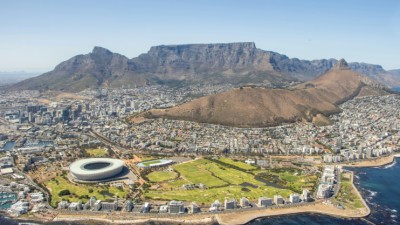
Cape Town
Where mountain views meet inclusive city life
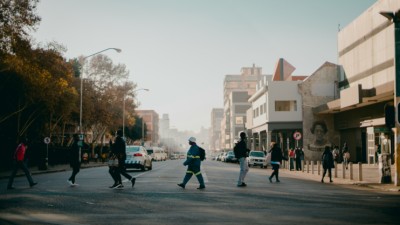
Pretoria
A welcoming capital where history, rights, and solo discovery meet.

Pietermaritzburg
Where heritage streets meet a broader story of inclusion
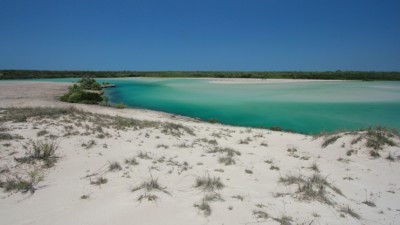
Kimberley
Where mining history meets a modern South African city

Bloemfontein
Where South African history meets a welcoming food-and-culture stopover
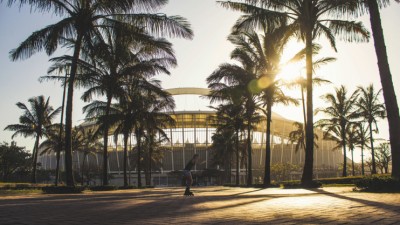
Durban
Where surf, culture, and inclusion meet by the sea
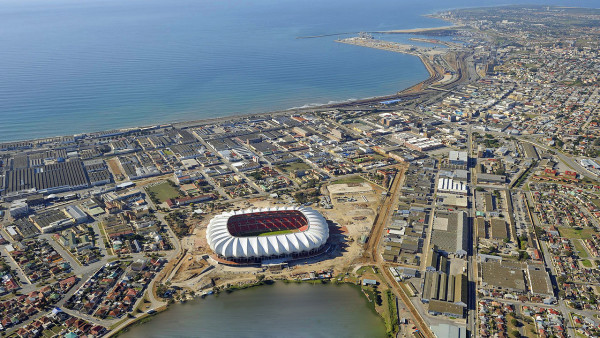
Gqeberha
Where ocean air meets inclusive travel planning.
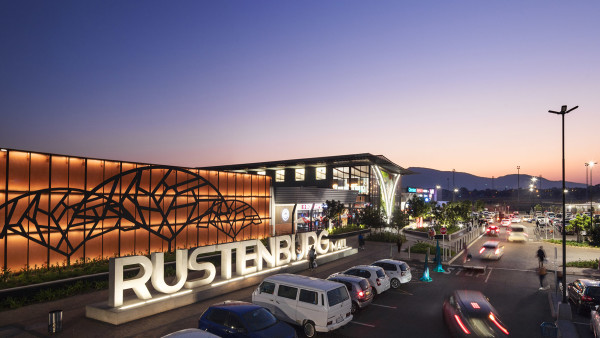
Rustenburg
Mountain views, city energy, and space to explore with confidence.
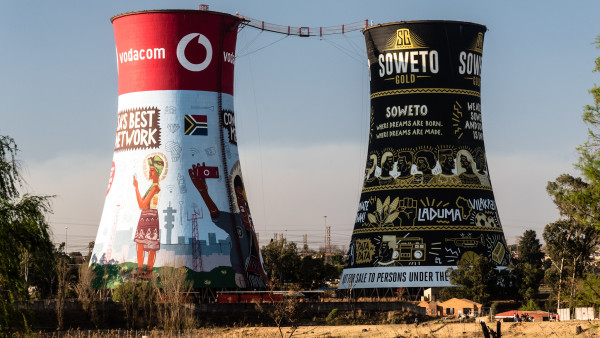
Soweto
Travel with context, culture, and rights in focus.
Newcastle
Where mountain edges meet a practical stop on the road south