- LGBTQ+ Neutral
- 4 City Guides
- 0 Likes
- Leave a comment
About Slovakia
Slovakia at a glance
Slovakia is a compact, landlocked country in Central Europe, bordered by Poland, Ukraine, Hungary, Austria, and the Czech Republic.
For travelers, that geography matters: distances are short, the major sights are relatively easy to combine, and the country offers a strong mix of city breaks, mountain scenery, historic towns, and restorative spa culture in one trip.
Bratislava, the capital, sits on the Danube near the Austrian border, while Košice anchors the east as the country’s second-largest city.
Much of Slovakia is mountainous, and its landscapes are a major part of its appeal.
What draws many visitors is the balance between culture and outdoors.
Slovakia is known for vivid history, natural beauty, and easy opportunities for relaxation.
You can spend a morning in a medieval old town, an afternoon in a national park, and an evening over hearty local food.
That variety, packed into a relatively small country, makes Slovakia especially attractive to travelers who want an efficient but rewarding itinerary.
Why travelers come here
Slovakia’s strongest travel appeal is its combination of scenery and heritage.
The country’s mountain terrain includes the Tatra range and other protected landscapes, and the national park network gives outdoor travelers plenty to explore.
Hiking, scenic drives, castle visits, and thermal or spa stays are all part of a classic Slovak itinerary.
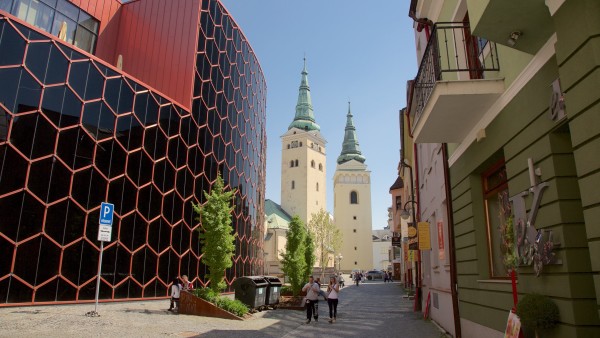
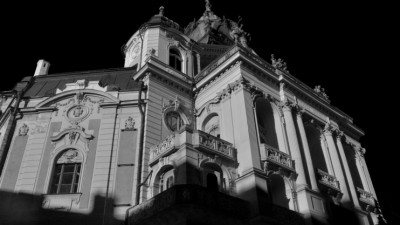
At the same time, the country’s cities and towns preserve layers of Central European history, from medieval fortifications to Austro-Hungarian and more modern urban architecture.
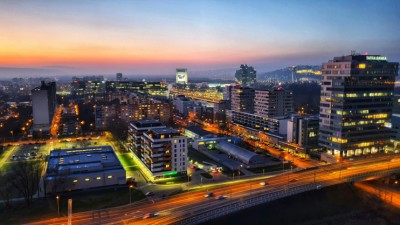
Bratislava is the usual first stop and a natural base for short stays.
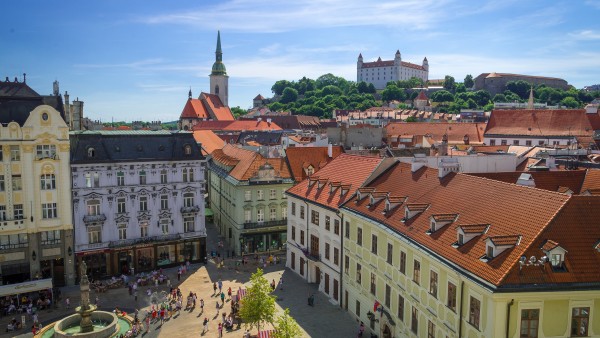
It offers a compact historic center, a riverfront setting, and the convenience of being close to both Vienna and the rest of the country.
Košice, farther east, has a distinctive urban atmosphere and is often chosen by travelers looking to go beyond the capital.
Between them are towns, castles, and rural landscapes that help Slovakia feel more varied than its size might suggest.
Landscape, seasons, and travel style
Because Slovakia is mostly mountainous, weather and season can shape the trip significantly.
Warm months are best for hiking, national parks, and long days in the open air, while colder months suit travelers interested in winter scenery and mountain sports.
The country’s size makes it practical to base yourself in one or two places and still see a wide range of sights.
Many visitors come for a short city stay but leave wishing they had more time for the countryside.
The landscape also contributes to the country’s relaxed travel rhythm.
Slovakia is a place where it often makes sense to slow down: linger in a café, take a train or regional bus to a smaller destination, and build in time for thermal baths, lookout points, and old towns.
For LGBTQ travelers who prefer a low-key, sightseeing-focused trip rather than a nightlife-centered one, Slovakia can be a good fit.
Food and drink
Slovak cuisine is traditionally filling and comfort-oriented, with strong ties to Central European mountain cooking.
Expect dishes built around potatoes, dumplings, cabbage, soups, cheese, pork, and seasonal ingredients.
Many travelers seek out local specialties such as bryndza sheep cheese and dishes that reflect regional rural traditions.
The food is not elaborate in a fine-dining sense, but it is distinctive, hearty, and well suited to the climate and landscape.
For drinks, beer is common, but one especially local favorite is Kofola, a cola-style soft drink that is widely popular in Slovakia and the wider region.
Trying it is a small but fun way to experience everyday Slovak life.
Cafés, casual pubs, and traditional restaurants are usually the easiest places to sample local food and drink in an unpretentious setting.
Key destinations
Bratislava is the obvious gateway, with its old town, Danube setting, and compact size making it easy to explore on foot.
It is the best place to start if you want city convenience, international connections, and quick access to the rest of the country.
Košice is the main eastern city and a worthwhile destination in its own right, especially for travelers who want a different urban feel and a broader sense of Slovakia beyond the capital.
Outside the cities, Slovakia’s main draws are its mountains, parks, and historic sites.
National parks, castle ruins, and scenic valleys are central to the country’s identity as a destination.
The UNESCO World Heritage site list includes several Slovak landmarks and helps underline the country’s strong historical and architectural appeal.
Many travelers combine a capital-city stay with at least one mountain or heritage region to get the full range of what Slovakia offers.
What makes Slovakia distinctive for LGBTQ travelers
Slovakia stands out as a country where the travel experience is often more about place than scene.
It is not primarily known as a major LGBTQ nightlife destination, and LGBTQ rights in Slovakia are regarded as some of the weakest in the European Union, so travelers should approach the trip with realistic expectations and a safety-minded attitude.
That said, many visitors come for the scenery, culture, and short-trip ease rather than for a visibly queer-centered travel ecosystem.
For LGBTQ travelers, that makes Slovakia best suited to those who value independent sightseeing, outdoor travel, and city exploration over destination-specific queer infrastructure.
Public behavior is often discreet, especially outside central Bratislava.
As with any trip, being attentive to local context and choosing accommodations and activities carefully can make the experience smoother.
The reward is a country that feels accessible, compact, and visually rich, with enough variety to support a memorable and practical Central European itinerary.
LGBTQ+ Overview
Overview
Slovakia is a mixed destination for LGBTQ+ travelers. On paper, you may find some basic legal protections and the practical ability to visit as a couple without much day-to-day interference, especially in Bratislava and other larger or more international settings. In reality, however, LGBTQ+ rights in Slovakia are widely regarded as among the weaker in the European Union, and travelers should expect a more conservative social climate than in many nearby Western and Central European countries. Visibility is often low, public same-sex affection may draw unwanted attention in some settings, and trans travelers in particular may encounter confusion or administrative friction.
For most tourists, the main issue is not formal policing but uneven social acceptance. Travelers who are discreet and prepared for a mixed reaction are less likely to run into problems, while those who are visibly queer, traveling as a same-sex couple, or expressing gender nonconformity may sometimes encounter staring, intrusive questions, or rude comments. Experiences can vary sharply between Bratislava, other larger cities, and more traditional or rural areas.
Legal status
Slovakia does not offer the broad legal framework that LGBTQ+ residents and travelers would find in more protective European destinations. Same-sex marriage is not recognized, and family-law protections remain limited. The country is generally considered to have some of the weakest LGBTQ+ rights in the European Union, which is important context for travelers even if they are only visiting briefly. While this does not usually create direct problems for tourists, it does mean that legal recognition of partners, families, and gender identity can be limited if an issue arises.
For travelers, that means it is prudent not to assume that hospitals, police, border officials, hotels, or other institutions will understand LGBTQ+ family structures or trans documentation issues smoothly. If you are traveling with a same-sex partner, carry ordinary identification and keep expectations realistic about how local institutions may respond if you need assistance.
Social climate
Social attitudes in Slovakia are uneven. Bratislava and other urban, international, or student-heavy environments are usually more relaxed than small towns and rural areas, but even in the capital the atmosphere is generally more cautious than openly celebratory. Many visitors will be able to move around without incident, yet overt displays of affection, loud discussion of LGBTQ+ topics, or highly visible gender expression can attract attention in some settings. Travelers should especially temper expectations in more conservative venues, family-oriented spaces, or outside major cities.
Public discussion of LGBTQ+ issues can be politically charged, and travelers may notice that media coverage and local conversations do not always reflect the inclusive norms found in parts of Western Europe. That does not mean Slovakia is uniformly unsafe, but it does mean that sensitivity to context matters. A low-profile approach tends to reduce friction. For trans and nonbinary travelers, practical experiences can depend heavily on how staff interpret documents, appearance, and local familiarity with gender diversity.
Common traveler risks
The most common risks are social rather than violent: stares, snide remarks, misgendering, and the occasional hostile comment from strangers. Public harassment is not something every traveler will encounter, but the chance is higher than in more LGBTQ+-affirming destinations. The risk profile is generally lower in mainstream tourist areas, higher in smaller communities, and more variable late at night or around alcohol-centered venues.
Another practical risk is institutional inconsistency. Staff at accommodations, transport hubs, shops, or medical facilities may not be especially accustomed to same-sex couples or trans travelers. This usually shows up as awkwardness rather than outright refusal of service, but it can become stressful if you need help in an urgent situation. If your documents do not clearly match your presentation, allow extra time for check-ins, domestic travel, and any situation that requires identity verification.
As anywhere, ordinary travel precautions remain important. Avoid escalating conversations with hostile strangers, leave uncomfortable situations early, and use the same judgment you would in any place where social acceptance is mixed. If you plan to go out at night, especially in unfamiliar districts, stick with trusted companions and licensed transport.
Support resources
Travelers should not rely on finding a dense, highly visible LGBTQ+ infrastructure on the ground. Bratislava is the most likely place to encounter more cosmopolitan attitudes and any useful tourist-facing support, but public-facing LGBTQ+ services are not prominent in the source material here, so it is best to prepare before arrival. If you think you may need help, save contact details for your embassy or consulate, your accommodation, and local emergency services in advance. For any urgent safety issue, use local emergency numbers and ask your hotel or host for immediate practical assistance.
Because local support options may be limited or less visible than in larger Western European capitals, it is wise to travel with your own contingency plan. That includes carrying copies of key documents, keeping your phone charged, and knowing where you can stay if an accommodation problem arises. Travelers who are particularly concerned about discrimination may prefer internationally branded hotels or more central, business-oriented properties, where staff are often more accustomed to diverse guests.
Recent trajectory
Slovakia’s overall trajectory has been cautious rather than clearly improving. The source material indicates that LGBTQ+ rights in Slovakia remain among the weakest in the EU, which suggests that progress has been slow and uneven. For travelers, the practical takeaway is that recent years have not produced a transformation in the social climate that would make the country uniformly easy or explicitly welcoming for LGBTQ+ visitors. Conditions can still be manageable, but they should be approached as mixed rather than reliably affirming.
In short, Slovakia is best treated as a destination where LGBTQ+ travelers can usually visit safely with preparation, discretion, and realistic expectations. If you are comfortable navigating a more conservative environment and keeping a relatively low profile outside the most international settings, most trips should be straightforward. If you need strong legal recognition, highly visible community infrastructure, or broadly affirming public attitudes, Slovakia is less predictable than many other European destinations.