- LGBTQ+ Neutral
- 2 City Guides
- 0 Likes
- Leave a comment
About Serbia
Overview
Serbia sits at the crossroads of Central and Southeast Europe, and that position shapes much of its appeal.
It is a country of lively cities, dramatic river valleys, fertile plains, vineyard-covered hills, and mountain landscapes that feel far from the capital’s café culture.
For travelers, Serbia offers a mix of accessible urban energy and deeply rooted local traditions, with a travel experience that often feels less polished than Western Europe but more immediate, affordable, and characterful.
Belgrade, the capital, is the main entry point for most visitors and the country’s most dynamic destination.
It is known for its nightlife, riverside clubs and bars, historic neighborhoods, and a strong contemporary cultural scene.
Novi Sad, Serbia’s second city, has a more relaxed pace and is especially associated with the Petrovaradin Fortress and its annual EXIT festival, while also serving as a gateway to the wine country of Vojvodina.
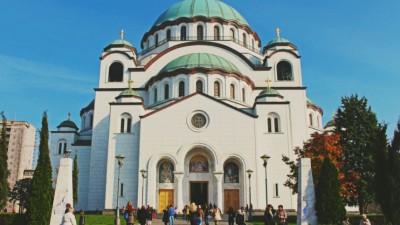
Elsewhere, travelers find monasteries, spa towns, national parks, and small cities that preserve layers of Ottoman, Habsburg, and socialist-era history.
Geography and travel character
Serbia is landlocked and varied.
The northern province of Vojvodina is dominated by the flat, agricultural Pannonian Plain, with elegant towns, Orthodox churches, Catholic heritage, and a long history of multicultural influence.
Central Serbia becomes more hilly and river-carved, while the south and southwest are increasingly mountainous, with national parks, river canyons, and traditional village landscapes.
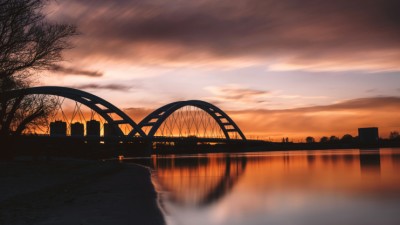
The Danube and Sava rivers are central to the country’s geography and identity, especially in Belgrade and along the routes toward the north and east.
This variety means Serbia can suit several kinds of trips.
Some travelers come for city breaks and nightlife, others for heritage and religion, and others for outdoor travel, rail journeys, or road trips through lesser-known parts of the Balkans.
Serbia is often attractive to visitors who want a destination that still feels local rather than overtly touristic.
English is more commonly encountered in major cities than in smaller towns, and the country rewards travelers who are comfortable improvising a bit.
Culture and atmosphere
Serbian culture is shaped by a long and complex history at the meeting point of empires, religions, and regional identities.
Orthodox Christianity is highly visible in the country’s historical architecture and traditions, but Serbia also has Muslim, Catholic, and Protestant communities, particularly in different parts of the country.
This diversity is most evident in Vojvodina, where Hungarian, Slovak, Romanian, Ruthenian, Croat, and other influences have left strong marks on everyday life, cuisine, and architecture.
In cities, café culture is central.
People spend time lingering over coffee, socializing outdoors, and moving through neighborhoods rather than rushing between sights.
Even in the more modern parts of Belgrade and Novi Sad, there is usually a strong sense of local rhythm and place.
For LGBTQ+ travelers, this matters because much of the social life is urban and informal, but public attitudes can still be mixed.
Larger cities are generally the most practical bases for LGBTQ+ visitors, while smaller towns may be more conservative and less openly welcoming.
Food and drink
Serbian food is hearty, meat-forward, and shaped by Balkan, Ottoman, Central European, and regional village traditions.
Travelers will encounter grilled meats such as ćevapi and pljeskavica, slow-cooked dishes, soups, stuffed peppers, fresh cheeses, breads, and seasonal salads.
Street food is an important part of the experience, especially in urban areas, where bakeries and grill shops are easy to find and often inexpensive.
Wine and spirits also play a role in the country’s travel appeal.
Serbia has long wine traditions, with growing interest in both local varieties and small producers, especially in Vojvodina, Šumadija, and parts of the southwest.
Rakija, a fruit brandy, is widely associated with hospitality and celebration.
For many visitors, food and drink are part of the social experience as much as a culinary destination in their own right.
Key destinations
Belgrade is the country’s essential stop.
Its historic core, riverfronts, museums, and nightlife make it the most obvious place to base a first trip.
The city’s contrasts are part of the draw: Austro-Hungarian traces, Ottoman echoes, Socialist-era architecture, modern high-rises, and a constantly changing bar and restaurant scene.
The confluence of the Sava and Danube gives Belgrade a distinctive landscape, and the city is especially known for its energy after dark.
Novi Sad offers a different pace, with a pedestrian-friendly center, a strong arts atmosphere, and an easygoing feel.
The city is particularly appealing in summer, when the river, fortress, and festival season bring more visitors.
Subotica, near the Hungarian border, is notable for its Art Nouveau architecture and borderland identity.
In central Serbia, places such as Kragujevac, Niš, and the spa towns of the interior add historical depth and practical access to different parts of the country.
Nature-focused travelers often look toward Tara National Park, the Uvac canyon and meanders, and mountain areas in the southwest for hiking, viewpoints, and quieter scenery.
Religious and heritage tourism is also significant, especially through the medieval monasteries and cultural monuments found across the country.
Depending on the route, these visits can add a strong sense of continuity and history to a trip that may otherwise revolve around cities and food.
Why Serbia stands out
What makes Serbia distinctive is the combination of scale, intensity, and ambiguity.
It is a country where old and new coexist in visible ways, where cities can feel rough around the edges but full of life, and where the traveler’s experience is shaped as much by atmosphere as by famous landmarks.
Serbia can be especially appealing to travelers who enjoy places with strong local identity and fewer layers of tourism infrastructure than the best-known European capitals.
For LGBTQ+ travelers in particular, Serbia’s appeal is often strongest in Belgrade and Novi Sad, where there is more visibility, more international influence, and more chance of finding queer-friendly spaces and events.
At the same time, it remains important to travel with situational awareness, especially outside major urban areas.
The country’s broader appeal lies in its authenticity: a place where the travel experience is grounded in everyday life, regional difference, and a cultural scene that feels both current and historically layered.
LGBTQ+ Overview
LGBTQ+ overview
Serbia is generally best understood as a country with formal legal protections that exist alongside a socially mixed, often conservative environment. Same-sex sexual activity is legal, and discrimination on the basis of sexual orientation and gender identity is prohibited in key areas of public life, including employment and access to goods and services. Hate speech and some hate-crime provisions also exist in law. In practice, however, the day-to-day experience of LGBTQ+ travelers can still vary significantly by location and setting, with Belgrade usually offering the most visible and comparatively welcoming atmosphere, while smaller cities and rural areas tend to be more traditional and less open.
For travelers, the main practical takeaway is that Serbia is not a destination where LGBTQ+ identity is criminalized or where travelers generally face the severe legal risks found in some countries. The bigger concerns are social rather than legal. Public displays of affection between same-sex couples may attract unwanted attention, stares, comments, or occasional harassment, especially outside established urban nightlife or progressive circles. Many LGBTQ+ visitors travel without major incident, but discretion is often wise in unfamiliar settings, particularly in transport hubs, nightlife districts late at night, and in conservative neighborhoods or towns.
Legal status and recognition
Serbian law allows same-sex sexual activity, and the country has anti-discrimination protections that are relevant to LGBTQ+ people. Gender identity is also recognized in anti-discrimination frameworks, which is important for transgender travelers. That said, legal recognition does not equal full equality. Serbia does not currently provide marriage equality, and same-sex couples do not have the full set of family-law rights associated with marriage or registered partnership. For travelers, this matters less for a short visit than for residents, but it is still useful to know that public institutions may not always be accustomed to handling same-sex partners in the same way as heterosexual couples.
Transgender travelers should be aware that Serbia’s legal and administrative systems may be uneven in practice. While there are protections against discrimination, everyday issues such as document checks, hotel registration, or interactions with officials can still be uncomfortable if a person’s presentation does not align with the gender marker or name on identity documents. Carrying consistent, up-to-date documentation is advisable. Where a passport or ID does not match presentation, prepare for potentially awkward questions rather than assuming staff will be trained to respond sensitively.
Social climate
The social climate in Serbia is mixed. Belgrade is generally the most LGBTQ+-visible city, with a larger community, more tolerant venues, and stronger exposure to international visitors and attitudes. Pride events have taken place in the capital in recent years, and their continued existence is meaningful, but they have also underscored that acceptance is still contested. Outside the capital, LGBTQ+ people may face a quieter form of pressure: less open hostility in some contexts, but also less visibility, fewer dedicated spaces, and a greater expectation of privacy.
Public attitudes have been improving gradually, but conservatism remains influential, and some travelers may encounter stereotypes, casual homophobia, or gender nonconformity being treated as unusual. This does not mean every interaction will be negative; many Serbians are courteous, and urban hospitality sectors are often accustomed to international visitors. Still, travelers should avoid assuming the level of openness they might find in parts of Western Europe. A low-key approach is usually the safest way to reduce friction, especially in situations where you do not know the audience well.
Common traveler risks
The most common risks are not legal arrest or state persecution, but social discomfort and situational harassment. Unwanted attention can happen if two men or two women are visibly affectionate, if a transgender traveler is read as gender-nonconforming, or if a traveler is known to be visiting an LGBTQ+ venue. In nightlife settings, alcohol can amplify the possibility of harassment or aggression, so it is prudent to use standard urban safety habits: keep an eye on drinks, travel with a companion when possible, and arrange transport in advance after late nights out.
As in many countries with mixed social climates, online dating can carry elevated risk. Meeting strangers from apps in unfamiliar neighborhoods or at private apartments can expose travelers to theft, intimidation, or unwanted outing. Use the same caution you would elsewhere: share your location with someone you trust, meet first in public places, and be wary of anyone pressing for secrecy, rapid movement to a private location, or money. For transgender and gender-nonconforming travelers, the risk can be less about overt violence and more about misgendering, invasive questions, or staff and officials failing to respond appropriately in administrative situations.
Support resources and practical help
In Belgrade, travelers are most likely to find LGBTQ+-aware community support, LGBTQ+-friendly bars and cafes, and NGOs that can offer information or referrals. Because organizations and services can change over time, it is best to verify current contacts shortly before travel rather than relying on older listings. Hotel staff at internationally oriented properties in Belgrade are generally more likely to be accustomed to LGBTQ+ guests than staff in smaller towns, though this is not universal. When booking, a straightforward, low-drama approach often works best; there is usually no need to disclose more than necessary unless you are seeking specific accommodations.
If you encounter harassment or a safety issue, standard local emergency responses apply, but travelers should not assume police responses will always be sensitive or fully informed about LGBTQ+ concerns. Where possible, prioritize leaving the area, moving to a public space, and seeking help from trusted hotel staff, venue staff, or local community contacts. For non-urgent support, LGBTQ+ organizations in Serbia and regional human-rights groups may be more helpful than general public agencies, especially for advice about discrimination, safer spaces, or current event safety.
Recent trajectory
Serbia’s trajectory has been gradual rather than transformative. The country has maintained formal anti-discrimination protections and has hosted Pride events in the capital despite periodic controversy, which indicates a slow broadening of public visibility. At the same time, progress has not been linear and social acceptance remains uneven. For travelers, the practical meaning of this trend is that Serbia is more open than it once was, especially in Belgrade and some hospitality settings, but it is still not a destination where LGBTQ+ people should expect consistently broad, effortless acceptance everywhere.
Overall, Serbia is best approached as a country with moderate legal protections, a mixed social climate, and manageable but real traveler risks. LGBTQ+ visitors who stay aware of context, avoid unnecessary visibility in conservative settings, and favor established urban areas are likely to have a much smoother trip than those expecting Western European levels of public acceptance throughout the country.