- Not LGBTQ+ Friendly
- 1 City Guide
- 0 Likes
- Leave a comment
About Saudi Arabia
Travel overview
Saudi Arabia is a vast and visually striking destination that stretches across most of the Arabian Peninsula, with the Red Sea to the west and the Persian Gulf to the east.
For many travelers, its appeal lies in scale and contrast: immense desert landscapes, dramatic mountain scenery, historic oases, modern Gulf cities, and a fast-changing public-facing tourism scene.
It is the largest country in the Middle East and one of the largest in Asia, so distances are significant and trips often focus on a particular region rather than trying to cover the whole kingdom at once.
For LGBTQ+ travelers, the most important reality is that Saudi Arabia is not a welcoming destination in legal or social terms.
Same-sex behavior is criminalized, and there are no legal protections for LGBTQ+ people.
Public discretion is essential, and travelers should be aware that even routine expressions of identity that might feel ordinary elsewhere can attract attention.
This guide is therefore best approached as a practical overview for understanding the country, its travel patterns, and its risks, rather than as a place for openly LGBTQ+-oriented travel.
Historically, Saudi Arabia was closed to most non-pilgrimage tourism for decades, but the government began opening more broadly in 2019.
That change has brought a noticeable increase in international visitors, especially to major cities, heritage areas, and Red Sea coastal destinations.
Even so, the country remains deeply conservative, and the pace of change in tourism does not mean that social norms have become permissive.
Travelers should expect a destination where modern infrastructure and traditional culture coexist, sometimes uneasily.
What draws travelers here
Saudi Arabia’s biggest draw is variety.
In one country you can find the sweeping Empty Quarter and other desert regions, the Asir highlands in the southwest, coral-rich Red Sea shores, and urban centers that range from old market districts to polished business skylines.
The kingdom also has a strong sense of place: Arabic culture is visible in architecture, dress, food, hospitality, and daily rhythms, and many visitors find the experience rewarding precisely because it feels distinct from more familiar international tourist circuits.
The country’s religious and historical significance is another major part of its identity.
As the birthplace of Islam and home to the two holiest cities in Islam, Saudi Arabia occupies a central position in the region’s spiritual geography.
Non-Muslim visitors cannot enter the holy cities themselves, but many other heritage sites, old towns, forts, and archaeological landscapes across the country are open to tourists.
In recent years, these sites have become a bigger focus of national tourism promotion.
Saudi Arabia also appeals to travelers interested in contemporary change.
The kingdom is investing heavily in tourism, entertainment, and public-space development, so visitors often encounter a destination in transition: traditional souqs and family-run restaurants alongside new cafés, shopping malls, museums, and large-scale infrastructure.
That contrast is part of the experience, and it is one reason the country can feel both surprising and, at times, unfamiliar.
Culture, customs, and atmosphere
Saudi society is shaped by conservative Islamic norms, strong family orientation, and clear boundaries around public behavior.
Modesty in clothing and conduct matters, and travelers should expect gender-segregated or family-oriented spaces in some contexts, especially outside the most international hotel settings.
Public affection, open discussion of sexuality, and any attempt to signal LGBTQ+ identity can be risky.
Sensitivity and low profile are not just social courtesies here; they are practical safety measures.
At the same time, hospitality is an important part of the travel experience.
Visitors often find that social interactions are formal but warm, especially in contexts such as cafés, markets, hotels, and guided excursions.
Arabic is the national language, but English is widely used in tourism-facing settings.
Travel rhythm can be slow and heat-sensitive, particularly in summer, so many visitors plan sightseeing around early morning, evening, or cooler seasons.
Food and everyday travel experience
Saudi food is one of the pleasures of visiting the country.
Expect rice-based dishes, grilled meats, bread, dates, strong coffee, and sweets that reflect wider Arabian and regional influences.
Meals are often generous and social, and you may encounter a mix of traditional dishes and familiar international options in larger cities.
In urban areas, dining ranges from simple local eateries to modern cafés and mall restaurants, while smaller destinations can be more limited in choice.
For an easy everyday option, travelers will find broad chains and casual restaurants in major cities; one example is Kudu, a Saudi sandwich chain founded in 1988.
More generally, food is a good way to experience the country’s blend of local identity and contemporary urban life, whether through quick snacks, shared plates, or restaurant meals oriented toward families and groups.
Key destinations and landscapes
Riyadh, the capital, is the country’s main political and commercial center and a common entry point for visitors.
It is useful for understanding modern Saudi Arabia: large roads, major institutions, museums, malls, and a fast-developing urban environment.
Jeddah, on the Red Sea coast, has a different feel, with a more relaxed maritime atmosphere, older neighborhoods, and a long-standing role as a gateway for pilgrims and trade.
The western region more broadly is often of interest to travelers seeking history and access to the coast.
The northwest and western parts of the country are especially attractive for heritage and landscape travel.
Saudi Arabia has major archaeological and historic sites, including UNESCO-recognized places such as Hegra in AlUla, a major Nabataean site that has become one of the country’s best-known visitor destinations.
AlUla in general is one of the most distinctive areas for travelers because it combines desert scenery, rock formations, and a growing cultural tourism profile.
The southwest offers a very different landscape, with higher elevations and a greener feel in parts of the Asir region.
For travelers interested in nature and regional diversity, this area is a reminder that Saudi Arabia is not only desert.
Meanwhile, the eastern coastline and the Red Sea coast support beach, diving, and resort-oriented travel, though the experience can vary widely by location and by season.
What makes Saudi Arabia distinctive
What sets Saudi Arabia apart is the combination of immense scale, deep conservatism, and rapid tourism change.
It is a country where ancient routes, Islamic heritage, and traditional desert culture coexist with ambitious modernization and a newly visible visitor economy.
For many travelers, that makes it a destination of contrasts rather than simple categories.
For LGBTQ+ visitors, however, those contrasts do not reduce the seriousness of the legal and social environment.
This is a place where discretion, careful planning, and a realistic assessment of risk are essential.
If you are considering travel to Saudi Arabia, the country’s cultural depth and landscape diversity may be compelling, but they need to be weighed against a legal framework and public climate that are not LGBTQ+-affirming.
In practice, the safest approach is to travel conservatively, keep a low profile, and avoid assumptions that international tourism growth has changed the underlying legal reality.
LGBTQ+ Overview
LGBTQ+ overview
Saudi Arabia is a very high-risk destination for LGBTQ+ travelers. Same-sex sexual activity is illegal, and the legal framework offers no meaningful protections for LGBTQ+ people. According to the source material, both male and female same-sex behavior can be punished by death, and there are no legal safeguards against discrimination based on sexual orientation or gender identity. In practical terms, this means that LGBTQ+ identity is not openly recognized or protected in public life, and travelers should assume that even low-profile expressions of identity may carry serious legal and personal risk.
The social climate is deeply conservative, and public attitudes generally align with the country’s strict legal and religious framework. Open discussion of LGBTQ+ topics is not socially normalized, and visible queer expression is likely to draw unwanted attention. Travelers should be especially cautious about public affection, gender nonconformity, and any online or offline behavior that could be interpreted as promoting same-sex relationships or gender transition. Even private conduct can become risky if it is exposed through devices, social media, messaging apps, hotel records, or interactions with authorities.
Common traveler risks include arrest, detention, interrogation, deportation, or harsher penalties if authorities suspect same-sex intimacy, gender nonconformity, or activism. The risk environment is not limited to public spaces: hotel stays, airport screening, border checks, and digital searches can all create exposure. Travelers should avoid carrying LGBTQ+ materials that could be viewed as provocative, be careful with dating apps and geolocation features, and consider that conversations about relationships, pronouns, or family structure may not be safe in all settings. Public displays of affection are risky for all couples, and same-sex couples should assume they cannot be visibly recognized as such.
Transgender travelers face particular uncertainty and should plan conservatively. Because gender expression is heavily policed, presentation, documents, and bathroom use may all become points of scrutiny. If travel is unavoidable, it is wise to ensure identification documents are consistent with appearance as far as possible, to anticipate questioning, and to have a low-profile plan for accommodations and transport. Travelers should also remember that media content, device caches, cloud accounts, and saved photos can create avoidable exposure if a phone or laptop is inspected.
There are no established local LGBTQ+ support organizations in the source pack, and travelers should not expect community-based help to be publicly accessible. In an emergency, the safest practical approach is often to seek assistance through your embassy or consulate, especially if legal trouble, detention, or loss of documents is involved. General travel support from a trusted employer, insurer, or international legal contact may also be useful, but travelers should not rely on local LGBTQ+ networks being available or safe to contact openly.
In terms of trajectory, Saudi Arabia has made major changes to its tourism policy in recent years and has become more open to non-pilgrimage visitors since 2019. However, that broader tourism opening has not translated into LGBTQ+ legal protection or social acceptance. The country remains an E-rated destination, and travelers should not interpret modernization in other sectors as an improvement in LGBTQ+ safety. The most prudent approach is to keep identity and relationships completely private, minimize digital traces, and be prepared to leave or seek consular help if any attention is drawn.
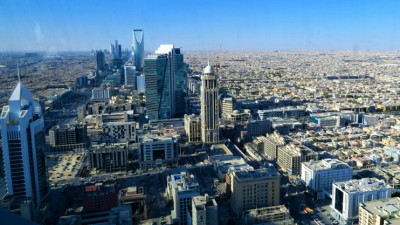
Riyadh
Where modern ambition meets strict realities