- Not LGBTQ+ Friendly
- 1 City Guide
- 0 Likes
- Leave a comment
About Saint Lucia
Overview
Saint Lucia is a small island country in the eastern and southern Caribbean, part of the Windward Islands in the Lesser Antilles.
It sits north-northeast of Saint Vincent, northwest of Barbados, and south of Martinique.
With a land area of just 617 km² and a population of a little over 184,100 people, it feels compact enough to explore without rushing, yet varied enough to reward longer stays.
The capital and largest city is Castries, which is also the main arrival point for many visitors.
For travelers, Saint Lucia’s appeal is immediate: dramatic scenery, easy access to beaches and rainforests, and a relaxed Caribbean atmosphere that still feels distinct rather than generic.
The island is especially known for its volcanic landscape, with steep green peaks, lush interior valleys, and a coastline that alternates between sheltered bays and more rugged stretches.
That mix gives Saint Lucia a strong sense of place and makes it attractive both for classic sun-seekers and for visitors who want a more scenic, nature-oriented trip.
Why travelers come
Saint Lucia is often chosen for a blend of romance, scenery, and outdoor activity.
Many visitors come for a beach holiday, but the island’s strongest draw is how much more there is beyond the sand.
Inland, the landscape becomes tropical and mountainous, offering opportunities for hiking, viewpoints, and excursions that feel very different from a simple resort stay.
The island’s size also makes day trips practical, so travelers can base themselves in one area and still reach beaches, markets, villages, and natural attractions within a reasonable drive.
Its atmosphere is typically calm and welcoming, with tourism playing an important role in the local economy.
That means the island is well set up for visitors, but it still retains a local character shaped by Caribbean life, community, and history.
For many LGBTQ+ travelers, Saint Lucia is best approached as a destination for discreet, low-key travel rather than a party or nightlife destination.
The overall appeal is less about a visible queer scene and more about enjoying a beautiful island destination where you can relax, explore, and keep your trip centered on comfort and privacy.
Landscape and geography
Saint Lucia’s geography is one of its defining features.
The island’s mountainous interior and lush vegetation create a dramatic backdrop that stands out even in a region known for scenic islands.
Coastal areas vary from calm bays to more open, windier shorelines, so the experience can shift noticeably depending on where you stay.
This variety is useful for travelers who want to combine swimming, sightseeing, and time in nature without leaving the island.
Because the island is relatively small, moving around is straightforward compared with larger Caribbean destinations.
That compact scale is a major advantage for visitors with limited time.
You can experience the capital, beaches, and interior attractions in one trip without spending long days in transit.
Saint Lucia’s geography also contributes to its identity as a destination that feels tropical and lush rather than flat or urban, which is part of what makes it memorable.
Culture and everyday life
Saint Lucia’s culture reflects its Caribbean setting and island identity.
Visitors can expect a warm climate, a slower pace of life, and strong local traditions expressed through food, music, and daily social interaction.
Castries is the best place to get a sense of the country’s urban rhythm, while smaller coastal communities often feel more relaxed and residential.
The country’s scale means that tourists are usually not far from everyday local life, which can be an advantage for travelers who prefer destinations that feel lived-in rather than artificially resort-like.
As with many Caribbean destinations, Saint Lucia’s tourism infrastructure coexists with a strong sense of local culture.
For LGBTQ+ visitors, that makes respectful, low-profile behavior a sensible default, especially outside major tourist settings.
Travelers who prioritize comfort may prefer internationally oriented hotels and well-established resort areas, while still spending time off-property to experience the island’s scenery and food.
Food and travel style
Saint Lucian food is a major part of the travel experience, and a good reason to look beyond beaches and hotels.
Like much of the Caribbean, the cuisine tends to feature fresh seafood, local produce, and hearty island dishes shaped by regional ingredients and traditions.
Meals can be an excellent way to connect with the destination, whether you are sampling casual local cooking or dining in a more polished resort setting.
Travelers who enjoy food-centered trips will find plenty to appreciate in the island’s everyday flavors and relaxed dining culture.
The typical Saint Lucia trip is usually easygoing rather than packed with formal sightseeing.
Visitors often combine beach time, scenic excursions, and leisurely meals with occasional trips into town.
That makes the island a strong fit for couples, honeymooners, and independent travelers looking for a restful break with enough variety to avoid boredom.
It is also a destination where pacing matters: the appeal often lies in slowing down and enjoying the environment rather than trying to see everything quickly.
Key destinations and what to expect
Castries is the country’s capital and largest city, and it is an important practical base for arrivals, services, and shopping.
Beyond the city, much of Saint Lucia’s appeal lies in its coastal and scenic areas, where visitors can choose between different kinds of stays depending on whether they want more activity, more seclusion, or easier access to nature.
Because the island is compact, travelers can often pair a beach area with inland excursions rather than treating them as separate trips.
What makes Saint Lucia distinctive is the combination of scale and drama.
It is small enough to feel manageable, but its topography gives it a much larger personality.
Compared with flatter islands or heavily urbanized destinations, Saint Lucia feels more enveloped by landscape.
For many visitors, that is the country’s greatest strength: it offers a classic Caribbean holiday experience, but one shaped by mountains, greenery, and a strong natural setting that leaves a lasting impression.
Bottom line for LGBTQ+ travelers
Saint Lucia is best understood as a scenic, compact Caribbean destination that rewards travelers who want relaxation, nature, and a more understated island experience.
It is not defined by a large or especially visible LGBTQ+ scene, so the most comfortable approach is usually private, respectful, and centered on well-reviewed accommodation and mainstream tourist areas.
For travelers who value beautiful surroundings, good food, and an easygoing pace, Saint Lucia can be a deeply appealing choice.
LGBTQ+ Overview
LGBTQ+ overview
Saint Lucia is a small Caribbean island state with a mixed environment for LGBTQ+ travelers: the legal picture is restrictive, while day-to-day safety for visitors is often shaped more by discretion, context, and local attitudes than by visible enforcement. Travelers should expect that same-sex intimacy is criminalized on paper, which places Saint Lucia in a higher-risk category than destinations with full legal equality. At the same time, the practical experience for tourists can vary, and many visitors report that low-profile travel is less likely to attract attention.
Current legal status
Saint Lucia’s legal framework remains the most important concern for LGBTQ+ travelers. Same-sex sexual activity is still criminalized under colonial-era laws, including provisions that can be used against male same-sex intimacy. Even where such laws are not actively enforced in ordinary tourist settings, their continued existence matters because they reflect an unequal legal environment and can affect how police, employers, landlords, or service providers respond if a situation escalates.
There is no indication in the source material that Saint Lucia has adopted comprehensive legal protections for sexual orientation or gender identity, such as nationwide anti-discrimination laws, marriage equality, or formal recognition of same-sex partnerships. Travelers should assume that legal recourse in the event of harassment or discrimination may be limited and that public authorities may not be consistently supportive.
Social climate
Social attitudes in Saint Lucia are generally more conservative than in many major international LGBTQ+ destinations. Public expressions of affection between same-sex couples may draw unwanted attention, especially outside the most tourist-oriented settings. For many travelers, the safest approach is to be discreet in public, particularly in smaller communities, on local transport, and in less urban areas.
That said, Saint Lucia is also a visitor economy, and hotels, resorts, and tour operators that cater to international guests may be accustomed to serving diverse travelers professionally. A courteous, low-profile approach is usually the most practical way to minimize friction. Travelers should not assume universal hostility, but they should also not expect broad social acceptance or open LGBTQ+ visibility.
Common traveler risks
The main risks for LGBTQ+ visitors are social rather than overtly violent, but they should not be dismissed. Unwanted attention, verbal harassment, gossip, or judgment can occur if someone is perceived as openly queer or gender-nonconforming. In a place where the law is not protective, incidents that might otherwise be resolved informally can become more stressful because travelers may hesitate to seek help or may not receive a sympathetic response.
For transgender travelers and others whose gender expression stands out, practical difficulties can arise around privacy, identification checks, or misunderstandings in hotels and public spaces. Because the country’s legal protections are limited, it is wise to carry travel documents that match your booking details, and to be prepared for occasional curiosity or confusion. Standard travel precautions apply as well: choose reputable accommodation, avoid isolated situations after dark, and have a backup plan for transport if you need to leave a place quickly.
Support resources
Source material does not identify reliable local LGBTQ+ support organizations, crisis lines, or community centers that can be safely recommended here. Travelers who need assistance should start with their embassy or consulate, their accommodation’s management, or a trusted local professional contact. If an incident involves police or emergency services, approach the situation carefully and prioritize immediate safety over confrontation. Because legal protections are limited, it is especially important to document any serious incident promptly and to contact your home-country authorities if you need consular help.
For travelers who want a broader sense of the legal and social environment before departure, current country-level references such as ILGA or Equaldex can be useful, but always verify the date of the information because laws and enforcement practices can change.
Recent trajectory
Based on the source pack, Saint Lucia remains in a transitional but still restrictive position rather than a clearly improving or fully protective one. The most meaningful takeaway for travelers is that the country has not yet reached a point where LGBTQ+ people can rely on strong legal equality or predictable protection. Any practical improvement is best understood as gradual and uneven, with the safest assumption being that discretion remains necessary.
In short, Saint Lucia is best treated as a destination where LGBTQ+ travelers can visit with care, but should not expect the same legal safeguards or social ease found in more openly affirming countries. Travelers who are comfortable keeping a low profile will generally manage better than those planning an openly public romantic trip.
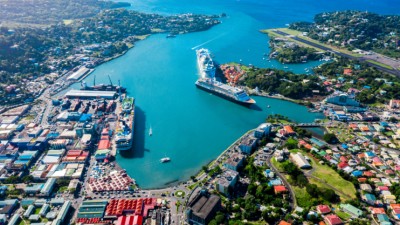
Castries
Island culture, harbor views, and a city best explored with care and context.