- LGBTQ+ Neutral
- 2 City Guides
- 0 Likes
- Leave a comment
About Romania
Romania at a glance
Romania is one of Europe’s most rewarding all-round travel destinations: a large, varied country where medieval towns, mountain landscapes, the Danube Delta, and a long Black Sea coast can all fit into the same itinerary.
It sits in Southeast and Central Europe, bordered by Ukraine, Moldova, Hungary, Serbia, and Bulgaria, with the Black Sea to the southeast.
For travelers, that geography translates into real range: you can spend one day in a dense historic city center, the next in the Carpathian Mountains, and then move on to rural villages, fortified churches, or wetlands that are among the richest bird habitats in Europe.
For LGBTQ+ travelers, Romania is best understood as a destination with a generally more conservative social climate than some of Western Europe, but also as a place where major cities have cosmopolitan energy, a visible creative scene, and easy access to a wide spectrum of experiences.
In practical travel terms, the appeal is not about a single “scene,” but about combining culture, architecture, landscape, food, and history in a country that still feels comparatively underexplored.
Why travelers go
Romania’s biggest draw is variety.
The country is famous for Transylvania’s castles, fortified churches, and mountain scenery, but its appeal goes well beyond the most familiar Dracula imagery.
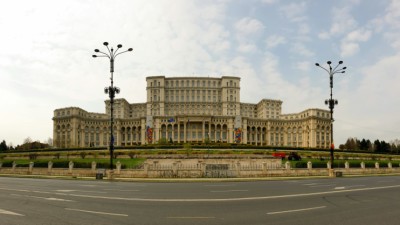
Bucharest offers a big-city mix of grand historical buildings, Communist-era architecture, cafés, museums, and nightlife.
Transylvania adds Saxon towns, Gothic and Baroque architecture, and dramatic uplands.
Moldavia is known for painted monasteries and strong religious and folk traditions.
The Danube Delta is a major nature destination, while the Black Sea coast provides a very different seasonal holiday atmosphere.
What distinguishes Romania from many other European destinations is how much older, layered history remains visible in daily travel.
Roman, medieval, Ottoman, Austro-Hungarian, and Communist-era traces all appear in the built environment, often in the same city.
That makes Romania especially appealing to travelers who like a destination that feels complex rather than curated, with plenty of room for independent exploration.
Landscape and regions
Geographically, Romania is defined by contrast.
The Carpathian Mountains arc through the country and shape much of the interior, creating dramatic scenery, ski areas, hiking routes, and access to mountain towns and villages.
Around them, fertile plains support agriculture and many of the country’s culinary traditions.
In the east, the Danube Delta spreads out into a mosaic of channels, marshes, reeds, and lakes that is internationally important for biodiversity.
To the southeast, the Black Sea coast adds beaches, resort towns, and a summer travel rhythm that is very different from the inland regions.
For travelers planning a first visit, the main corridors often include Bucharest, Brașov, Sibiu, Cluj-Napoca, Timișoara, and the castle-and-village routes of Transylvania.
These places offer the strongest combination of transport links, hotels, restaurants, museums, and day trips.
More time allows for less-visited parts of the country, especially the Danube Delta and the painted monasteries of northern Moldavia.
Culture, history, and atmosphere
Romania’s culture is shaped by its position at a crossroads between Central Europe, the Balkans, the Black Sea, and the eastern edge of the European Union.
That location shows up in architecture, music, language, food, and local identity.
Orthodox Christianity has a major cultural influence, and visitors will notice churches, monasteries, and religious festivals as important parts of the landscape.
At the same time, cities such as Bucharest, Cluj-Napoca, Timișoara, and Brașov have contemporary cultural scenes, university energy, and a growing concentration of museums, cafés, galleries, and festivals.
The result is a destination where the mood shifts easily from grand to rural, from polished to unvarnished.
In the historic centers of old towns you may find restored façades, pedestrian squares, and strong café culture, while just a few streets away the urban fabric can feel more lived-in and rough-edged.
Many travelers find that contrast part of Romania’s charm.
It is not a country that presents itself as perfectly packaged, and that authenticity is part of the experience.
Food and drink
Romanian food is hearty, comforting, and strongly shaped by regional and seasonal ingredients.
Travelers can expect dishes built around pork, beef, chicken, cornmeal, cabbage, potatoes, soups, stews, cheeses, and pickled vegetables.
Traditional meals often feel rustic rather than delicate, which suits the country’s agricultural roots and colder mountain regions.
In cities and tourist areas, you’ll also find modern Romanian restaurants that reinterpret classic dishes with a lighter or more contemporary approach.
For many visitors, the food is a memorable part of the trip precisely because it is tied so closely to place.
Village meals, mountain-area specialties, and Black Sea seafood all offer different expressions of the country.
Romania is also a good destination for travelers who enjoy generous portions, home-style cooking, and regional variation rather than a single national “signature” cuisine.
Key destinations and travel style
Bucharest is the natural starting point for many trips, especially for travelers who want museums, nightlife, and a sense of modern Romania alongside reminders of the country’s more recent political history.
From there, Transylvania is the classic overland route: Brașov for easy access to the Carpathians and Bran area; Sibiu for a beautifully preserved historic center and strong cultural atmosphere; and Cluj-Napoca for a youthful, urban feel.
Timișoara is also notable for its architecture and western-facing city character.
Beyond the better-known cities, Romania’s most distinctive experiences often come from moving outward into nature and heritage landscapes.
The Danube Delta is a highlight for wildlife and slow travel, especially for birdwatching and boat-based exploration.
Northern Moldavia draws visitors interested in monasteries and religious art, while the villages and fortified churches of Transylvania appeal to those looking for historic landscapes and rural continuity.
The Black Sea coast is the place for summer beach travel and resort-style stays.
What makes Romania distinctive for LGBTQ+ travelers
Romania’s distinctiveness for LGBTQ+ travelers lies in the combination of old-world atmosphere, natural diversity, and a travel environment that can feel more local and less commercially shaped than in many heavily touristed European countries.
That means the country can be highly rewarding for travelers who prioritize architecture, scenery, food, and independent exploration.
It also means it is wise to travel with a realistic understanding of local social attitudes and to make choices about visibility and personal comfort in line with the setting, especially outside the largest cities.
In short, Romania is a destination for travelers who want variety without needing everything to be polished or predictable.
It offers city breaks, mountain escapes, heritage routes, wetlands, and beach time in one country, with a strong sense of place at every turn.
For many LGBTQ+ visitors, that makes Romania appealing not because it is a “scene” destination, but because it is an especially rich and memorable travel destination in its own right.
LGBTQ+ Overview
Overview
Romania is generally a workable destination for LGBTQ+ travelers, but it is not an especially affirming one. The legal framework is substantially better than it was in the past, yet social acceptance remains uneven and public displays of affection may draw unwanted attention in many places. In practical terms, travelers are most likely to encounter a mix of quiet indifference in some urban settings and conservatism, discomfort, or verbal harassment in others. The overall experience tends to be better in Bucharest and a few other larger cities than in smaller towns or rural areas.
Legal status
Same-sex sexual activity is legal in Romania, and the country’s age of consent is equalized. Romania also has anti-discrimination protections that cover sexual orientation in some contexts, including employment and access to goods and services, which is important for travelers because it means there is a formal legal basis for complaint if a traveler encounters discrimination. At the same time, Romania does not provide full legal equality for LGBTQ+ couples. Same-sex marriage is not legally recognized, and the constitutional framework has been used to define marriage in heterosexual terms. Civil partnership recognition remains absent, so same-sex couples should not expect spousal rights, recognition, or the practical protections that come with them.
For transgender travelers, the legal environment is more complicated and can involve bureaucratic or medical hurdles. Because law and practice do not always align neatly, travelers whose documents do not match presentation should plan carefully for border checks, hotel registration, and any situation where identity documents may need to be shown. Carrying consistent documentation and being prepared for occasional confusion can reduce friction.
Social climate
Romania’s social climate is mixed and can change quickly from one setting to another. Younger people, internationally connected urban residents, and many people in hospitality or tourism are often more accustomed to diversity, but conservative attitudes remain common. Religion, family norms, and politics can all contribute to a cautious or negative environment, especially outside the major cities. For many visitors, the biggest issue is not overt danger but discomfort: staring, intrusive questions, jokes, or a need to keep a low profile in public.
In cities, particularly Bucharest, travelers may find more visible LGBTQ+ life and somewhat more relaxed attitudes, though public affection can still attract attention. In smaller cities, resorts outside major urban centers, and rural areas, discretion is usually the safer choice. Same-sex couples may wish to avoid overt displays of affection unless they have gauged the environment carefully. The practical expectation should be “be discreet until you know the room,” rather than assuming broad social acceptance.
Common traveler risks
The most common risks for LGBTQ+ travelers in Romania are social rather than criminal. Verbal harassment, rude comments, and uncomfortable stares are more likely than direct physical threats, but travelers should still use normal caution, especially at night or when leaving bars and clubs. As in many destinations with uneven acceptance, risk increases when alcohol is involved, when traveling alone, or when using unfamiliar neighborhoods late at night.
Another practical risk is discrimination in service settings. Although legal protections exist, enforcement can be inconsistent, and travelers may encounter staff who are dismissive or unfriendly. Booking reputable accommodations and using mainstream transportation and well-reviewed venues can help reduce the chance of a bad experience. If you are traveling as a same-sex couple, be prepared for occasional assumptions that your partner is a friend rather than a partner; that may be tactless, but it is often less risky than forcing the issue in a conservative setting.
For trans travelers, the main concerns are misgendering, document checks, and the possibility of confusion around appearance versus identification. Airports, train stations, hotels, and border crossings are the most likely places for issues to arise. Keeping travel plans straightforward and allowing extra time for formalities is sensible.
Support resources
Romania has domestic LGBTQ+ civil-society organizations and some degree of community infrastructure, especially in Bucharest, but travelers should not assume a dense nationwide support network. If you need local assistance, it is best to identify current organizations before travel through reputable, up-to-date sources rather than relying on outdated venue lists or social media alone. In an emergency, standard emergency services apply, and for legal or health issues, travelers should contact their embassy or consulate and seek reputable local counsel or medical care if needed.
For general country and context research, useful starting points include the country overview at Wikipedia: Romania. For broader comparisons on LGBTQ+ rights and legal climate, travelers may also consult ILGA World and other current rights indexes, but any on-the-ground support should be verified immediately before departure because local contacts, venue openings, and community centers can change.
Recent trajectory
Romania has moved forward slowly on LGBTQ+ issues over time, especially in formal legal protections and general public visibility in larger cities, but progress has been uneven and contested. The direction of travel is better than in earlier decades, yet not fast enough to describe the country as broadly welcoming. For travelers, that means the practical situation is one of gradual improvement rather than full equality: there is less risk than in countries with punitive laws, but more caution is warranted than in Western Europe’s most LGBTQ+-affirming destinations.
In short, Romania is a destination where LGBTQ+ travelers can usually visit safely with sensible precautions, but should not expect full social comfort or reliable recognition of same-sex relationships. Urban discretion, careful planning, and awareness of local attitudes remain important.