- LGBTQ+ Neutral
- 2 City Guides
- 0 Likes
- Leave a comment
About Panama
Overview
Panama sits at the southern end of Central America, where North and South America meet, and that geography shapes almost everything about the country’s appeal.
It is bordered by Costa Rica to the west, Colombia to the southeast, the Caribbean Sea to the north, and the Pacific Ocean to the south.
Travelers are often struck by how compact and varied it feels: a trip can combine a modern capital, tropical islands, rainforest, mountain towns, and coastlines on two oceans without crossing a vast distance.
Panama City, the capital and largest city, is also the country’s main gateway and the metropolitan area is home to nearly half of Panama’s more than 4 million residents.
For many visitors, Panama’s biggest draw is the sense of connection.
It is widely described as the “Crossroads of the Americas,” a phrase that reflects both its strategic location and its long history as a place of movement, trade, and cultural exchange.
The Panama Canal is the country’s defining landmark in practical and symbolic terms, but the broader travel appeal goes well beyond engineering and commerce.
Panama is a place where Caribbean and Pacific influences meet, where urban skylines give way quickly to mangroves and cloud forests, and where Indigenous cultures remain an important part of national identity.
What It Feels Like to Travel in Panama
Panama tends to appeal to travelers who like variety and easy contrasts.
You can spend time in a fast-growing capital with high-rise hotels, restaurants, and museums, then shift to a quieter coastal or inland setting with a much slower pace.
The country is especially attractive to people interested in wildlife, marine environments, birdwatching, islands, and eco-tourism.
Its location and name, which is commonly said to mean “abundance of fish” in an Indigenous language, also hint at why the country is so closely associated with water-based travel and outdoor experiences.
The atmosphere can change significantly from one region to another.
Panama City is cosmopolitan and businesslike, while places such as Bocas del Toro, Boquete, and the San Blas Islands are better known for relaxation, scenery, and outdoor activities.
Much of the country’s appeal lies in this balance: you can use the capital as a comfortable base and still reach beaches, mountains, and rainforest in a relatively short time.
That makes Panama a strong fit for travelers who want a trip that is active but not logistically complicated.
Landscape, Climate, and Geography
Geographically, Panama is narrow but incredibly diverse.
It spans lowland coastlines, forested highlands, and the mountain region of western Panama, where cooler temperatures and coffee-growing landscapes offer a different feel from the tropics.
Its position between two oceans creates both ecological richness and travel flexibility, with opportunities for swimming, snorkeling, boating, surfing, and island-hopping in different parts of the country.
The contrast between the Caribbean and Pacific coasts is one of the country’s most distinctive features and gives repeat visitors plenty to explore.
Panama’s natural environment is a major part of its identity.
Eco-tourism is a strong theme, and the country is often a good choice for travelers who value nature alongside comfort.
Birdlife, marine life, rainforest scenery, and protected areas all contribute to Panama’s reputation as a destination for outdoor-minded visitors.
In a single itinerary, it is possible to combine city views, canal transit, jungle experiences, and coastal downtime.
Culture and Daily Life
Panama’s culture reflects Indigenous heritage, Spanish colonial history, Caribbean influences, and its long role as an international crossroads.
In everyday life, that mix shows up in the architecture, music, food, and social atmosphere, especially in Panama City and the coastal regions.
The country can feel both distinctly Latin American and globally connected, with a modern service economy in the capital and strong local traditions elsewhere.
For LGBTQ+ travelers, Panama’s general travel appeal is real, but it is important to understand the legal and social context as part of trip planning.
Same-sex sexual activity is legal, but same-sex couples do not have the same legal recognition and protections as opposite-sex married couples.
The Supreme Court of Panama ruled in March 2023 that there is no constitutional right to same-sex marriage.
As in many countries, experiences can vary by location and social setting, with Panama City generally offering the broadest range of services and the most internationally oriented environment.
Travelers should use the same common-sense precautions they would anywhere else, especially when it comes to public displays of affection and choosing nightlife or accommodations.
Food and Drink
Panamanian cuisine is shaped by geography, trade, and regional traditions, and seafood plays a prominent role given the country’s two coastlines.
Rice, plantains, tropical fruits, beans, and fresh fish are common elements of the local table, while city dining can range from casual everyday places to polished international restaurants.
In Panama City especially, travelers can find an urban food scene that reflects the country’s cosmopolitan character, alongside traditional dishes that are widely associated with home cooking and regional identity.
Food is also one of the easiest ways to experience the country’s blend of influences.
Coastal areas often emphasize seafood and island-style cooking, while inland and mountain regions may feel more rooted in local produce and slower-paced hospitality.
For many travelers, part of the pleasure of Panama is moving between those settings and noticing how the cuisine changes with the landscape.
Key Destinations
Panama City is the obvious starting point and deserves more than a quick stop.
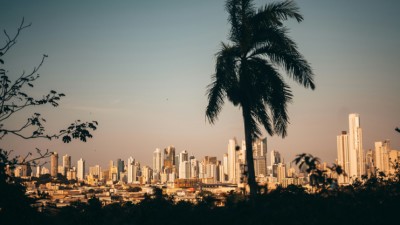
Beyond serving as the national capital and main international gateway, it offers a striking skyline, access to the canal, and a strong contrast between modern development and older districts.
It is the best place to understand contemporary Panama as a regional hub.
Outside the capital, visitors are often drawn to the western highlands, coastal islands, and Caribbean and Pacific beach areas.
Bocas del Toro is known for its island scenery and laid-back atmosphere; Boquete is favored for cooler mountain air and outdoor activities; and the San Blas Islands are especially notable for their natural beauty and Indigenous cultural presence.
Panama’s small size makes multi-stop travel practical, which is one reason it appeals to people who want a varied itinerary without long overland journeys.
Why Panama Stands Out
What makes Panama distinctive is not just that it is a transit point, but that it has turned its location into a travel identity.
Few countries offer such an easy combination of capital-city energy, major maritime history, tropical biodiversity, and access to two oceans.
That makes Panama especially appealing to travelers who want depth without complexity.
It can work as a short getaway, an add-on to a larger Central American trip, or a standalone destination for nature, culture, and city travel.
For LGBTQ+ travelers, Panama is best understood as a destination of opportunity and contrast: modern and international in some places, more socially conservative in others, with an uneven legal landscape that still leaves same-sex couples without full equality.
Even so, many visitors are drawn by the country’s natural beauty, transport links, and range of experiences.
If you are looking for a place where a rainforest walk, a Caribbean island stay, and a skyline dinner can all belong to the same trip, Panama is an especially compelling choice.
LGBTQ+ Overview
LGBTQ+ Overview
Panama is a mixed-dynamic destination for LGBTQ+ travelers. Same-sex sexual activity is legal, and Panama City in particular is generally more cosmopolitan than much of the rest of the country. At the same time, LGBTQ+ people still face legal inequality and uneven social acceptance, so travelers should plan with more caution than they would in destinations with broader protections.
Legally, the main limitation is family recognition. According to the source pack, same-sex couples and households headed by same-sex couples do not receive the same legal benefits and protections available to opposite-sex married couples. In March 2023, the Supreme Court of Panama ruled that there is no right to same-sex marriage, which means there is still no marriage equality in the country. This leaves gaps around marriage-based benefits, household recognition, and related protections. Travelers who are married or partnered elsewhere should not assume their relationship will be recognized in Panama in the same way it would be at home.
Socially, the experience can vary a lot by location and setting. Panama City is likely to feel more open than smaller towns, rural areas, or more conservative communities. Public displays of affection, even for heterosexual couples, may draw attention outside major urban and tourism areas, so LGBTQ+ travelers may prefer a lower-profile approach when moving around the country. In day-to-day life, many trips will be uneventful, but it is wise to be aware that acceptance is not uniform and that discretion can reduce friction in unfamiliar settings.
Practical traveler risk is more about discrimination, misunderstandings, and uneven treatment than about specific anti-LGBTQ+ tourism laws. Still, it is sensible to be cautious when booking accommodations, choosing nightlife, or discussing personal details with new contacts, especially outside the capital. If you need to disclose a partner relationship for check-in, medical, or emergency reasons, keep essential documents handy, but do not expect local law to provide the same set of rights that same-sex married couples may have elsewhere.
Support resources for LGBTQ+ travelers in Panama are not clearly documented in the source pack, so it is best to rely on standard travel safety planning: share your itinerary with someone you trust, keep emergency contact information accessible, and know the location of your embassy or consulate if you anticipate needing assistance. If you are connecting with local people or communities, verify any venue, organization, or event independently before going, since the level of visibility and safety can change quickly.
Overall, Panama has made limited progress in the sense that same-sex sexual activity is legal and major-city travel is often manageable, but the legal and social picture remains incomplete. The absence of marriage equality, combined with uneven acceptance, means travelers should treat Panama as a destination with moderate, not minimal, LGBTQ+ risk. The trajectory appears to have been incremental rather than transformative: important legal recognition efforts have not yet translated into equal family rights.