- LGBTQ+ Friendly
- 1 City Guide
- 0 Likes
- Leave a comment
About Norway
Overview
Norway is one of the classic bucket-list destinations in Northern Europe, but it feels unlike anywhere else in the region.
Stretching across the western and northern edges of the Scandinavian Peninsula, with remote Arctic territory in Svalbard and Jan Mayen, the country combines dramatic coastal scenery, mountainous interiors, and long, sparsely populated distances.
For travelers, that means a trip built around landscapes as much as cities: deep fjords, glacier-carved valleys, broad forests, lakes, and a coastline that can feel endlessly fragmented and wild.
Norway’s appeal is not just its beauty, but the way everyday travel unfolds through it—by ferry, train, road, and sometimes small regional aircraft, all against a backdrop that changes dramatically with the seasons.
For LGBTQ+ travelers, Norway stands out as one of the most comfortable and welcoming destinations in the world.
The country’s legal protections for LGBTQ+ people are among the strongest internationally, and same-sex marriage, adoption, and assisted insemination for lesbian couples have all been legal since 2009.
That said, Norway is not a single experience: Oslo and Bergen are cosmopolitan and outward-looking, while smaller towns, fjord communities, and far-north destinations can feel quieter and more traditional.
In practice, most visitors find Norway easy to navigate and respectful in public, with the biggest considerations being weather, distance, and cost rather than personal safety or discrimination concerns.
What Norway is known for
Norway’s most famous draw is its scenery, especially the fjords along the west coast.
These steep-sided sea inlets, cut by ancient ice, are the image many travelers have in mind when they picture the country, and they remain one of the strongest reasons to visit.
Bergen is the classic base for exploring this region, while smaller fjord towns and mountain routes offer some of the most memorable road trips and rail journeys in Europe.
Inland, Norway’s valleys and uplands are just as striking, with wide-open landscapes that make hiking, skiing, and cabin-to-cabin trekking major parts of the travel experience.
Norway is also a destination for light, sky, and seasonal extremes.
In the far north, travelers can experience the midnight sun in summer and the Northern Lights in winter, both of which shape the rhythm of a trip in a very different way from more temperate destinations.
The Arctic regions, including Svalbard, add another layer of distinction: stark, remote, and deeply atmospheric, they appeal to visitors looking for a sense of frontier wilderness rather than a conventional city break.
Culture and travel style
Norwegian culture balances modern urban life with a strong outdoor tradition.
Cities such as Oslo and Bergen offer museums, galleries, design, and a dining scene that reflects both local ingredients and a contemporary Nordic approach to food.
At the same time, the country’s identity is closely tied to the outdoors.
Hiking, skiing, fishing, and cabin culture are not niche pursuits here; they are central to how many Norwegians spend their free time.
For travelers, that means a visit can be as active or as relaxed as you want, but it often works best when you embrace the landscape rather than try to rush through it.
Norway also has a practical travel rhythm.
Distances can be long, ferries are often essential, and weather can shape plans quickly, especially outside the summer months.
This is part of the country’s charm, but it also means the most rewarding trips tend to be measured, not packed.
A few well-chosen destinations—such as Oslo for city culture, Bergen for the west coast, and one or two fjord or mountain regions—can give a traveler a much richer experience than trying to cover too much ground.
Food and drink
Norwegian food is shaped by the sea, the seasons, and a long tradition of making the most of local ingredients.
Seafood is naturally important, especially along the coast, and fish appears in many forms across everyday dining.
In cities, travelers can also expect a modern restaurant scene that interprets Nordic ingredients with a lighter, more refined style.
Traditional foods remain part of the travel experience too, especially in places where local and regional identity is strong.
For many visitors, food in Norway is less about extravagant variety and more about quality, freshness, and place.
You are likely to eat well, but not cheaply.
That same pattern applies across the country: Norway is a high-cost destination, so travelers often get the best value by mixing a few memorable meals with simpler options and making use of bakeries, cafés, and grocery stores when appropriate.
The upside is that even casual dining often feels carefully made and tied to local produce.
Key destinations
Oslo is the natural starting point for many trips.
As the capital and largest city, it offers museums, contemporary architecture, a waterfront setting, and easy access to both urban culture and outdoor spaces.
Bergen is the country’s most famous gateway to the fjords, and its compact historic character, harbor setting, and proximity to dramatic scenery make it one of Norway’s most rewarding cities to visit.
Together, Oslo and Bergen give travelers a strong contrast between capital-city energy and west-coast atmosphere.
Beyond the major cities, the best-known travel highlights are often the landscapes themselves.
The west coast fjord region is the classic choice for scenic travel, while Norway’s valleys and mountain areas are ideal for hiking and winter sports.
In the far north, travelers head for Arctic experiences, including winter night skies and summer daylight that seems almost endless.
Svalbard is a particularly distinctive destination for those seeking a remote, stark, polar environment rather than a conventional sightseeing itinerary.
Why Norway stands out for LGBTQ+ travelers
Norway’s distinction is that it combines strong legal equality with a generally relaxed, modern social atmosphere.
That does not mean every place feels the same, but it does mean LGBTQ+ travelers can usually plan with confidence, especially in larger cities and established tourist areas.
For a country-guide perspective, Norway is best understood as a destination where LGBTQ+ visitors can focus on the travel experience itself—mountains, fjords, design, cuisine, and seasonal light—without having to build the whole trip around safety concerns.
At the same time, the country’s physical scale and climate give it a personality that is immediately memorable.
Norway rewards travelers who like dramatic nature, clean design, efficient infrastructure, and a sense of space.
It is distinctive not because it tries to be flashy, but because its landscapes, seasons, and everyday travel patterns are so vivid.
For many visitors, that combination makes Norway one of the most satisfying destinations in Europe: welcoming, scenic, and quietly extraordinary.
LGBTQ+ Overview
LGBTQ+ overview
Norway is widely regarded as one of the safest and most affirming destinations in Europe for LGBTQ+ travelers. The legal framework is strong, public life is generally inclusive, and discrimination on the basis of sexual orientation and gender identity is prohibited. Same-sex marriage, adoption rights for same-sex couples, and access to assisted insemination for lesbian couples have been legal since 2009, and Norway also has legal recognition options for gender identity. In practice, this means most LGBTQ+ visitors can travel openly and comfortably, especially in larger cities and tourist areas.
Socially, Norway is usually tolerant and matter-of-fact rather than highly expressive. In Oslo, Bergen, Trondheim, and other urban centers, LGBTQ+ people are typically visible and well integrated into daily life. Public displays of affection are generally accepted at a similar level to heterosexual couples, though, as in many countries, reactions can vary in more conservative settings, small towns, nightlife districts late at night, or when alcohol is involved. Travelers who are open about being LGBTQ+ are unlikely to face widespread hostility, but it is still wise to stay alert to the local context and standard travel safety considerations.
Legal status and practical realities
Norway’s anti-discrimination protections are among the strongest in the world, and the country has a long record of expanding rights for LGBTQ+ people. The legal trajectory has been clearly positive over time, including early anti-discrimination legislation, marriage equality, and later transgender rights protections. For travelers, the key practical point is that there is no legal barrier to same-sex travel, and police and public institutions are generally expected to treat LGBTQ+ people within a rights-based framework. If you need to deal with authorities, healthcare providers, or accommodation staff, you are more likely to encounter professionalism than judgment.
That said, “excellent law” does not mean there is no friction at all. Some travelers may still encounter outdated assumptions in smaller businesses, rural settings, or when using services that were not designed with trans or nonbinary people in mind. Administrative processes can sometimes require documentation that does not perfectly align with a person’s presentation or identity, so trans travelers should carry appropriate identification and any supporting documents they may need. If your passport name or gender marker differs from your presentation, it is sensible to be prepared for occasional questions, even though outright hostility is uncommon.
Social climate and common traveler risks
For most LGBTQ+ visitors, the main risks in Norway are not legal but situational. Petty crime and alcohol-related incidents in nightlife areas are more realistic concerns than targeted anti-LGBTQ+ violence. If you are planning to visit bars, clubs, or Pride-related events, use the same caution you would use anywhere: keep an eye on drinks, arrange safe transport late at night, and avoid isolated areas after dark. In general, urban centers are the most comfortable environments, while social conservatism may be more noticeable in some rural communities or among older acquaintances, though this rarely translates into serious danger for tourists.
Travelers who are visibly trans, nonbinary, or gender-nonconforming may draw occasional attention, especially in less cosmopolitan settings, but Norway is not a country where this usually escalates into frequent harassment. Public facilities and hospitality settings are generally usable without major difficulty, although individual experiences can vary. If you are concerned about privacy, it is reasonable to choose larger hotels, mainstream transport, and well-reviewed venues in major cities, where staff are more likely to be accustomed to international and diverse guests.
Support resources
Norway has a strong general infrastructure for healthcare, emergency response, and civil rights, which can be helpful if you encounter any issue during your trip. For urgent safety concerns, standard emergency services apply. For non-urgent problems, larger cities usually offer more options for English-speaking assistance and LGBTQ+-friendly healthcare or counseling services. If you need support after discrimination or an incident, local police and consumer or civil-rights channels are the most realistic official routes, though response quality can vary by case.
Because the source pack does not provide a vetted list of specific organizations or venues, it is best to rely on broad urban support systems rather than planning around a particular club, center, or advocacy group. In practice, travelers will usually find the most practical support through their accommodation, travel provider, embassy or consulate, and mainstream healthcare services. If you want to look up further background before traveling, the most reliable high-level references are the country and rights overviews on Wikipedia’s Norway page and Wikipedia’s LGBTQ rights in Norway page.
Recent trajectory
The overall trajectory in Norway has been steadily positive, with legal equality deepening over many years rather than moving backward. The country’s long-standing anti-discrimination protections, marriage equality, and gender recognition reforms reflect a consistent policy direction toward inclusion. For travelers, that means Norway is not only legally safe on paper but also broadly experienced as a mature, low-risk destination where LGBTQ+ rights are part of the national mainstream rather than a niche issue.
In short, Norway is one of the strongest LGBTQ+ travel environments in Europe. Most visitors can expect a low-risk, high-comfort trip, especially in major cities and tourist hubs. The main advice is simply to apply ordinary travel caution, be mindful that attitudes can be a little more reserved outside urban areas, and remember that the strongest legal protections in the world still do not eliminate isolated social awkwardness.
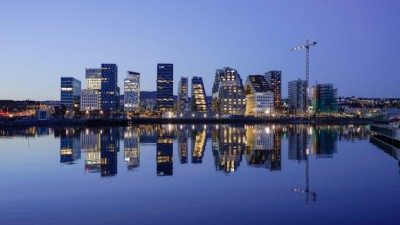
Oslo
Where equal rights meet fjordside adventure.