- LGBTQ+ Neutral
- 1 City Guide
- 0 Likes
- Leave a comment
About Montenegro
Montenegro at a glance
Montenegro is one of Europe’s smallest countries, but it packs a remarkable amount into a compact space: a long Adriatic coastline, steep mountains, medieval towns, turquoise lakes, and a compact capital with a strong café culture.
For LGBTQ+ travelers, it can feel like a place of contrasts.
The scenery is dramatic and the tourism experience can be very polished in the main coastal and resort areas, while social attitudes outside those settings are generally more conservative than in many Western European destinations.
That mix makes Montenegro especially appealing to travelers who want classic Mediterranean beauty, active outdoor travel, and a sense of discovery all in one trip.
The country’s biggest draw is its landscape.
In a single journey, you can move from sandy or pebbly beaches and historic harbor towns to high mountain passes, glacial lakes, and deep river canyons.
Montenegro is not a place of sprawling metropolitan LGBTQ+ districts or a large-scale queer nightlife scene; instead, its appeal is in the overall travel experience, the scenery, and the growing sophistication of its main tourist hubs.
Travelers often come for a coastal holiday, a road trip, hiking, boating, or a mix of old-town sightseeing and nature escape.
Culture, atmosphere, and what feels distinctive
Montenegro’s identity is shaped by a meeting of influences: Slavic, Ottoman, Venetian, Austro-Hungarian, and Adriatic maritime culture.
That blend is visible in the architecture, cuisine, and local customs.
You will find Orthodox churches, historic fortifications, stone waterfront towns, and mountain villages where traditional hospitality still plays a central role.
The country’s official language is Montenegrin, though Serbian, Bosnian, Albanian, and Croatian are also used in different communities, and English is widely understood in major tourist areas.
What makes Montenegro distinctive is how much contrast it offers in a very small area.
The Bay of Kotor looks almost like a fjord, though it is actually a submerged river canyon, with steep slopes rising around calm water and fortified towns clinging to the shore.
In the north, the terrain becomes rugged and alpine, with national parks and wilderness areas that feel far removed from the coast.
This geographic range gives Montenegro a rare travel rhythm: sea, stone, and mountain all within a few hours’ drive.
For many visitors, the country feels intimate rather than overwhelming.
The old towns are walkable, the distances between major sights are manageable, and it is easy to pair one base with day trips.
That can be especially useful for LGBTQ+ travelers who prefer to keep logistics simple and stay in established resort or city areas where services are more predictable.
Major destinations and travel appeal
Budva is one of the country’s best-known beach destinations and a major center for tourism.
Its old town, beaches, and nightlife make it a popular stop for travelers seeking a lively coastal base.
Nearby Sveti Stefan is one of Montenegro’s most photographed landmarks, though it is now associated more with its iconic island view than with easy access for casual visitors.
The wider Budva Riviera offers some of the country’s most accessible summer resorts and a fairly high concentration of hotels, restaurants, and seasonal energy.
Kotor is the destination many travelers remember most vividly.
Its UNESCO-listed old town is enclosed by medieval walls and set against the dramatic scenery of the bay.
Kotor works well for travelers who enjoy history, architecture, scenic walks, and boat trips.
It is also one of the most atmospheric places in the country, especially outside the busiest cruise-ship hours.
Nearby Perast is quieter and more elegant, with a refined waterfront feel and easy access to the tiny islets in the bay.
Tivat, a short distance from Kotor, has developed into a more modern and upscale coastal stop, with marina-centered dining and accommodation.
It is often used as a convenient base for airport access and for travelers who want a polished, less chaotic setting than some of the older resort towns.
The capital, Podgorica, is not usually the main attraction for leisure travelers, but it is the administrative and transport hub of the country and offers a different, more urban side of Montenegro.
It can be useful as a practical overnight stop or for travelers interested in everyday local life rather than just coastal tourism.
In the north, Durmitor National Park and the town of Žabljak are a major draw for hiking, mountain scenery, and outdoor adventure.
Tara Canyon is another standout natural feature, known for its scale and dramatic landscape.
These northern areas are ideal for travelers who want to balance a seaside trip with cooler mountain air and active exploration.
Lake Skadar, shared with Albania, is another important destination, especially for birdwatching, boat trips, and quieter nature-focused travel.
Food and drink
Montenegrin cuisine reflects both the coast and the mountains.
On the Adriatic side, seafood is a staple, along with Mediterranean-style salads, grilled vegetables, olive oil, and simple preparations that highlight fresh ingredients.
Inland and in the north, meals become heartier, with more emphasis on meats, cheeses, breads, and slow-cooked dishes.
Travelers may encounter local specialties such as Njeguški pršut, a cured ham associated with the village of Njeguši, and kačamak, a rustic cornmeal-and-cheese dish commonly linked with mountain food traditions.
Dining often feels unhurried and social, especially in summer when waterfront cafés and restaurant terraces fill in the evening.
Coffee culture is strong, and a long sit-down at a café is part of the local rhythm.
Wine and rakija are common, and Montenegro has a growing reputation for quality wines, particularly from the region around Lake Skadar and the country’s central vineyards.
For many travelers, food in Montenegro is less about high-concept gastronomy and more about generous portions, regional character, and fresh coastal ingredients.
How Montenegro typically appeals to travelers
Montenegro tends to appeal to travelers who want scenic variety, manageable distances, and a destination that still feels somewhat under the radar compared with better-known Mediterranean countries.
It is especially attractive for people who like combining beach time with sightseeing and nature.
You can spend the morning in a walled old town, the afternoon on a boat in a bay or lake, and the next day in the mountains.
That flexibility is a major part of the country’s charm.
For LGBTQ+ visitors, the practical experience often depends on location.
Larger coastal towns and established hospitality venues generally offer the easiest and most comfortable travel conditions, while smaller towns and rural areas are more traditional in outlook.
Public displays of affection may attract attention in some settings, so travelers who value discretion may prefer to read the room, especially outside the main tourist zones.
The overall tourism infrastructure is strongest on the coast, where international visitors are common and service standards are generally more familiar to global travelers.
Montenegro is also a strong choice for travelers who want a destination with a sense of authenticity that has not been entirely flattened by mass tourism.
Even in popular places, the combination of dramatic scenery, layered history, and a relatively small national footprint gives the trip a personal feel.
It is the kind of country where a short visit can still feel rich and varied, and where the landscape is often as memorable as the towns themselves.
Bottom line
Montenegro’s travel appeal lies in its compactness, natural beauty, and striking contrasts.
It offers Adriatic beaches, medieval coastal towns, mountain wilderness, and a cuisine rooted in both sea and highland traditions.
For LGBTQ+ travelers, it is best approached as a destination for scenic, culture-rich travel with a mostly easygoing experience in major tourist centers, balanced by a more conservative social backdrop elsewhere.
If you are looking for a country that feels Mediterranean but distinct, polished in parts yet still rugged and local in character, Montenegro is an excellent place to explore.
LGBTQ+ Overview
LGBTQ+ overview: Montenegro
Montenegro is generally one of the more workable destinations in the Western Balkans for LGBTQ+ travelers, but it is not a fully welcoming or risk-free environment. The legal framework is relatively progressive by regional standards, with constitutional and statutory protections against discrimination on the basis of sexual orientation and gender identity, and legal recognition of same-sex partnerships. At the same time, social attitudes remain mixed, public visibility is still limited outside the capital and coastal tourist areas, and travelers may encounter discomfort, staring, gossip, or occasional hostility if they are openly affectionate in public.
For most visitors, the practical experience is likely to depend heavily on location and context. Podgorica, Budva, Kotor, and some other tourist-oriented areas are generally more accustomed to international visitors and may feel easier than smaller towns or rural areas. That said, Montenegro is still a relatively conservative society in many everyday settings, and discretion can reduce friction. Couples should not assume the same level of public comfort they might expect in parts of Western Europe, especially outside hospitality settings and urban nightlife venues.
Legal status and protections
Same-sex sexual activity is legal, and Montenegro has anti-discrimination protections covering sexual orientation and gender identity in a number of areas, including employment and access to goods and services. The country also legally recognizes same-sex civil partnerships, which is a meaningful step forward in the region. However, same-sex marriage is not legal, and full family-rights equality is not in place. Legal recognition of gender identity and related administrative processes may be possible, but travelers should not assume streamlined or universally consistent treatment across institutions.
In practical terms, LGBTQ+ travelers are unlikely to face problems with the law simply for being LGBTQ+, but the legal picture does not eliminate the possibility of social discrimination or uneven treatment in daily life. As in many countries with a mixed legal-social climate, the difference between what is protected on paper and what feels comfortable in practice can be significant.
Social climate
Social acceptance in Montenegro is improving slowly, but it remains uneven. Visibility of LGBTQ+ people is greater than it used to be, and public institutions have, at times, signaled support for equality. Even so, conservative family norms, religion, and nationalist politics continue to shape attitudes in some communities. Many local people may be tolerant in principle but still uncomfortable with overt displays of affection or gender nonconformity in public.
Travelers who are discreet generally encounter fewer issues than those who are visibly affectionate or who expect a broad queer scene. Same-sex couples may attract attention in smaller towns, on public transport, or in less international settings. Transgender travelers may face a higher likelihood of misunderstanding or intrusive questioning, particularly when documents, appearance, or booking information do not align neatly. In most cases, the risks are more about social discomfort and service inconsistency than severe danger, but isolated harassment can occur.
Common traveler risks
The most common risk for LGBTQ+ visitors is not formal legal trouble but an uneven social environment. Public affection between same-sex partners can invite stares, comments, or unwelcome attention, especially away from major hotels and tourist centers. In nightlife settings, the atmosphere can vary widely: some venues are welcoming, while others may be indifferent or uneasy if a couple is openly queer. Because the local scene is smaller than in larger European destinations, a traveler should not assume there will always be a clearly identifiable LGBTQ+ neighborhood or robust number of dedicated venues.
Another practical issue is privacy. In smaller communities, personal information can spread quickly, and travelers staying in guesthouses, family-run accommodations, or informal rentals may prefer to keep relationship details private if they are unsure of the host’s attitudes. For trans travelers, the most likely friction points are paperwork, ID checks, and assumptions by service staff rather than explicit legal barriers, though these can still be stressful. If you need medication, supplies, or continuity of care, plan ahead rather than relying on finding LGBTQ+-specific services on the ground.
As with any destination, standard travel precautions matter. Use reputable transport, be cautious with new acquaintances, and avoid assuming that people you meet socially are safe to disclose to immediately. If you are visiting for a festival, event, or peak summer tourism season, the atmosphere may be more relaxed in resort areas, but that does not necessarily translate to the whole country.
Support resources and practical planning
Montenegro does have civil-society and institutional frameworks that can be useful in theory, including equality bodies and NGOs that work on human rights and anti-discrimination. However, travelers should not rely on finding extensive English-language, visitor-focused LGBTQ+ support everywhere in the country. If you need help, the most practical first step is often your hotel, embassy, or a local mainstream human-rights organization rather than expecting a large, visible queer service network.
Before traveling, it is wise to save emergency contact numbers, check your embassy’s local guidance, and choose accommodations with strong reviews from international guests. If you are traveling as a couple, consider in advance how openly you want to present yourselves in public versus in private spaces. Same-sex partners generally do best when they treat Montenegro as a destination where quiet confidence is safer than provocation, and where the broad legal gains are real but social comfort can still lag behind.
Recent trajectory
The overall trajectory has been gradually positive. Montenegro has taken meaningful legal steps in recent years, including anti-discrimination measures and recognition of same-sex partnerships, which reflects a broader movement toward European-style legal protections. Public discourse has also become somewhat more open than it was in the past, especially in urban and institutional settings. However, change remains incremental, and social attitudes have not moved as quickly as the law. For travelers, that means the country is better than it once was, but still best approached with measured expectations and situational awareness.
In short, Montenegro is a country where LGBTQ+ travelers can generally visit without major legal concern, but where discretion, awareness of local attitudes, and careful planning still matter. It is not among Europe’s most welcoming destinations, yet it is also far from the most hostile. Travelers who prioritize privacy and stick to more international parts of the country are likely to have the smoothest experience.
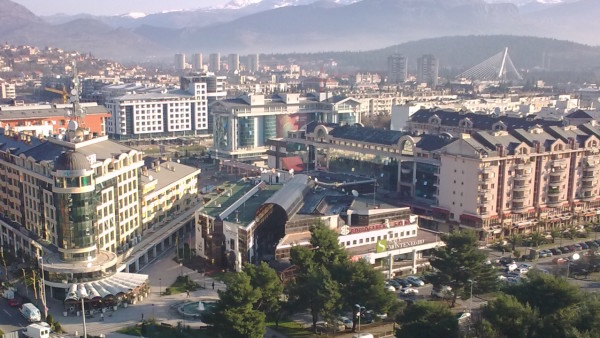
Podgorica
A compact Balkan capital where culture, law, and lived experience meet.