- LGBTQ+ Friendly
- 1 City Guide
- 0 Likes
- Leave a comment
About Iceland
Travel overview
Iceland is a Nordic island country set between the North Atlantic and Arctic Oceans, straddling the Mid-Atlantic Ridge and sitting at the meeting point of Europe and North America.
For travelers, that geography is a big part of the appeal: the country delivers a landscape that feels elemental and dramatic, with glaciers, volcanoes, lava fields, rivers, waterfalls, geothermal areas, and black-sand coasts all within reach.
It is the westernmost country in Europe and one of the continent’s most sparsely populated, which means even popular routes can feel open, uncrowded, and visually expansive.
The main gateway is Reykjavík, the capital and largest city, which is home to about 35% of Iceland’s population.
It is the natural base for many first-time visitors, combining a compact city center with easy access to day trips, museums, dining, and the country’s social and cultural life.
From Reykjavík, travelers often branch out to the southern coast, the Golden Circle area, and other road-trip routes that make Iceland especially appealing for independent travel.
The country is also well known for guided excursions and activity-based tourism, so it works equally well for travelers who want a self-drive adventure and those who prefer organized tours.
Why travelers go
Iceland’s core draw is nature at full volume.
The country is a strong fit for travelers who enjoy hiking, glacier landscapes, ice climbing, kayaking in glacial waters, and soaking in geothermal hot springs.
Its scenery is often described as stark, raw, and beautiful rather than lush, and that contrast is part of the experience.
In practical terms, this means travelers should expect weather that changes quickly, long stretches of open terrain, and a trip where the journey itself can be as memorable as any single destination.
Food is another part of the experience, though not usually the main reason to visit.
Icelandic cuisine is shaped by the island setting, climate, and long history of resourcefulness, and visitors will find a food scene centered around local ingredients, seafood, lamb, dairy, and modern interpretations of traditional dishes.
In Reykjavík, dining is typically the most varied, while outside the capital the emphasis shifts more toward regional meals, cafes, and casual stops that fit road-trip travel.
Culture and atmosphere
Iceland’s culture is closely linked to its natural environment, but the country also has a distinct modern identity.
The official language is Icelandic, and the country is culturally and politically connected to Europe.
Reykjavík in particular has a strong creative and social energy, with visible arts, music, and nightlife, yet the national mood is generally relaxed and practical rather than flashy.
For many visitors, the sense of place is one of Iceland’s biggest distinctions: it is both very small and very memorable, with a travel culture that feels easy to navigate while still offering genuine remoteness outside the capital.
For LGBTQ+ travelers, Iceland is widely regarded as one of the strongest destinations in Europe.
LGBTQ+ rights rank among the highest in the world, Icelandic culture is generally tolerant toward homosexuality and transgender people, and Reykjavík has a visible LGBTQ+ community.
That doesn’t remove the usual need for normal travel awareness, but it does mean many visitors can expect a relatively comfortable and welcoming environment compared with much of the world.
For travelers who want a country where a liberal social climate meets striking nature, Iceland stands out clearly.
Key destinations and travel style
Reykjavík is the obvious starting point, but Iceland’s appeal is best understood as a combination of city and landscape.
Many travelers use the capital for arrival, dining, and nightlife, then head out to explore the surrounding regions and the island’s signature scenery.
The country’s roads make it possible to connect major sights without long urban stays, which is why Iceland is so often experienced as a road trip destination.
Whether you are chasing waterfalls, geothermal pools, glaciers, or volcanic landscapes, the trip tends to be built around short bursts of activity, scenic drives, and time outdoors.
This makes Iceland particularly attractive for travelers who like straightforward logistics paired with dramatic rewards.
It is not a place for sprawling historical sightseeing in the traditional European sense; instead, its special quality lies in the scale of the landscape, the clarity of the air and light, and the feeling of being close to powerful natural forces.
For LGBTQ+ travelers especially, that combination of safety, visibility, and iconic scenery makes Iceland one of the most distinctive and rewarding country trips in the North Atlantic.
LGBTQ+ Overview
LGBTQ+ overview
Iceland is widely regarded as one of the most LGBTQ+-affirming countries in Europe and globally. The legal framework is strong, public attitudes are generally tolerant, and travelers usually find Reykjavík and other populated areas welcoming. Same-sex sexual activity is legal, discrimination on the basis of sexual orientation and gender identity is prohibited in key areas of public life, and transgender people have legal recognition options that are comparatively well developed by international standards. For most LGBTQ+ visitors, Iceland is a low-risk destination where day-to-day travel concerns are likely to be ordinary tourist issues rather than identity-based ones.
That said, Iceland is not “risk-free” in the sense of universal familiarity or perfect inclusion. The country is sparsely populated outside the capital region, and many smaller communities are less visibly queer than Reykjavík. Travelers may encounter fewer explicitly LGBTQ+-oriented venues, services, or support networks outside the main urban area. In practical terms, this usually means that while overt hostility is uncommon, visibility may be lower in rural areas, and it is wise to apply the same situational awareness you would use in any small-town or remote travel setting.
Current legal status
Iceland’s legal protections for LGBTQ+ people are among the strongest available to travelers. Same-sex sexual activity is legal, and same-sex couples have enjoyed broad relationship recognition for many years. Marriage equality is in place, and adoption and family rights have also been extended in ways that make Iceland relatively straightforward for queer families and couples to visit. Hate-motivated discrimination is taken seriously in law, and the country’s overall rights framework places it near the top of global comparisons.
Transgender travelers should still expect standard travel realities around document checks, name usage, and the possibility that some systems may not reflect identity perfectly, but Iceland is generally considered comparatively accommodating. The legal landscape has also continued to evolve positively in recent years, reflecting a broader trajectory of normalization and inclusion rather than backlash.
Social climate and traveler experience
The social climate is generally favorable. Reykjavík is especially visible as a center of LGBTQ+ life, and visitors often report that everyday interactions are low-drama and respectful. Public displays of affection that would be unremarkable for straight couples are usually safe in the capital and other established towns. Tourism is a major part of Iceland’s economy, and visitors are typically treated professionally and politely regardless of identity.
Outside Reykjavík, the experience is still usually safe, but it can feel less openly queer-friendly simply because there is less LGBTQ+ visibility overall. That does not usually translate into danger; rather, it means a traveler may be in a more reserved social environment where assumptions are slower to change and queer-specific amenities are limited. If you are traveling as a couple or with chosen family, you are unlikely to need to hide, but you may prefer to gauge the comfort level of more remote settings as you would anywhere with a smaller local community.
Common traveler risks
The main risks for LGBTQ+ travelers in Iceland are not typically identity-based violence or systematic legal barriers. Instead, they are the practical issues that come with travel in a cold, remote, and weather-sensitive destination. Outside the city, services can be far apart, road conditions can change quickly, and cell coverage may be uneven in some areas. If you are traveling to remote regions, your biggest safety concerns are likely to be transport, weather, and isolation rather than discrimination.
For queer travelers, another realistic issue is the relative scarcity of dedicated LGBTQ+ spaces beyond Reykjavík. If you are looking for community, nightlife, or specialized support, you should plan around the capital rather than assume such services will be available everywhere. Travelers who are trans, nonbinary, or gender-nonconforming may occasionally encounter bureaucratic or social awkwardness, but in general Iceland remains one of the more practical places in Europe for navigating those issues.
Support resources
If you need local support, Reykjavík is the best place to begin. The city is the most visible center of LGBTQ+ life in the country, and it is where travelers are most likely to find community-oriented services, affirming accommodation, and staff accustomed to LGBTQ+ visitors. Because Iceland is small and highly centralized, many relevant resources are concentrated in or around the capital rather than spread evenly across the country.
For up-to-date legal and rights information, the most reliable broader references are the general LGBTQ rights overviews maintained by trusted international sources such as Wikipedia’s Iceland LGBTQ rights page and ILGA-Europe’s country-level ranking context. Travelers should still verify local details before relying on any specific service, especially if their trip involves medical needs, document changes, or remote-area travel.
Recent trajectory
The overall direction in Iceland has been positive. The country has long been viewed as a regional leader on LGBTQ+ equality, and recent years have reinforced that reputation rather than undermined it. International comparisons continue to place Iceland near the top, which aligns with the lived reality for many travelers: a country with strong formal protections, generally supportive public sentiment, and relatively low day-to-day risk.
In short, Iceland is an excellent destination for LGBTQ+ travelers who want broad legal protection and a generally accepting environment. Most visitors can expect a smooth trip, with the main precautions being the usual ones for Iceland itself: prepare for weather, distances, and limited services in remote areas. The country’s LGBTQ+ climate is strong enough that identity is unlikely to be a major travel barrier.
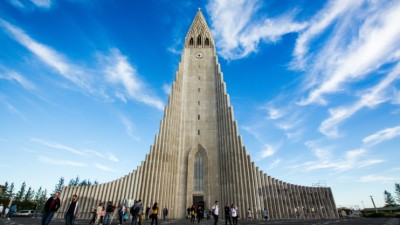
Reykjavík
Small-city ease, big-hearted acceptance, and standout nights out.