- LGBTQ+ Friendly
- 1 City Guide
- 0 Likes
- Leave a comment
About Denmark
Denmark at a glance
Denmark is a compact Nordic country that combines a highly livable urban culture with easy access to coastlines, islands, and open countryside.
For many travelers, its appeal lies in how approachable it feels: the country is small enough to move around efficiently, yet varied enough to offer several distinct experiences in one trip.
In the capital, Copenhagen, you get design, architecture, cycling culture, and a lively restaurant scene; elsewhere, you’ll find historic market towns, windswept beaches, Viking heritage, and quiet rural landscapes.
Metropolitan Denmark, often called Denmark proper, consists of the Jutland peninsula and a large archipelago of islands, which gives the country a maritime character and makes ferries, bridges, and coastal scenery part of the travel experience.
For LGBTQ+ travelers, Denmark is widely associated with a generally open, orderly, and practical atmosphere.
As in much of Scandinavia, visitors often notice a strong sense of personal space, social trust, and a low-key style of hospitality.
That means Denmark may feel less flamboyantly “scene-driven” than some larger European destinations, but it is often attractive for travelers who prefer safety, ease of movement, and a setting where queer life blends into everyday city culture rather than existing only in a few dedicated districts.
Culture and everyday feel
Danish culture is often described through the idea of hygge, a word associated with comfort, warmth, and conviviality, and that sensibility is easy to feel in cafés, homes, and public spaces.
Daily life tends to be calm and efficient, with an emphasis on bike lanes, public transport, and well-designed shared spaces.
Copenhagen in particular has a strong reputation for contemporary design, architecture, and urban planning, but these qualities are not limited to the capital.
Across the country, visitors encounter a restrained, minimalist aesthetic that appears in everything from buildings and furniture to food presentation.
The country’s history is also part of the draw.
Denmark’s past as a seafaring kingdom, along with its Viking legacy, is visible in museums, historic sites, and coastal settlements.
In practical terms, this gives travelers a mix of modern Nordic city life and deeply rooted heritage.
Many visitors combine a city stay with a slower trip through smaller towns or island landscapes, which can be especially rewarding if you want a more relaxed pace than in larger European capitals.
Geography and what to expect on the ground
Denmark’s geography is defined by water.
The country sits in Northern Europe and is made up of the Jutland peninsula and many islands, so even relatively short journeys can include bridges, ferry crossings, shoreline views, and encounters with very different local atmospheres.
The terrain is generally gentle rather than dramatic: there are no alpine peaks, but there are beaches, dunes, farmland, forests, and harbors that create a soft, maritime landscape.
The northern and western coasts of Jutland feel especially open and windswept, while the islands and eastern parts of the country often offer a more sheltered, urban, or cultivated feel.
Because the country is compact and infrastructure is strong, Denmark is a comfortable place for travelers who like efficient movement between destinations.
It is easy to structure a trip around a few centers rather than constantly changing hotels, and the short distances make day trips realistic.
That practicality is part of the national appeal: Denmark is a place where you can see a lot without spending much time in transit, which is particularly useful for visitors trying to balance sightseeing, dining, and nightlife in a limited itinerary.
Food and drink
Danish food culture has become much more visible internationally in recent years, especially through Copenhagen’s restaurant scene, but it remains grounded in seasonality, simplicity, and local ingredients.
Travelers can expect a broad range of experiences, from casual open-faced sandwiches and bakery items to modern Nordic tasting menus.
Seafood is naturally important in a country so closely tied to the sea, and the broader culinary identity often emphasizes freshness, careful preparation, and clean flavors rather than heavy sauces or elaborate spicing.
For many visitors, part of Denmark’s food appeal is that eating well is not confined to high-end dining.
Bakeries, cafés, and markets are a major part of the experience, and they fit the country’s relaxed social rhythm.
If you are planning a city break, food can easily become one of the main reasons to linger: breakfast culture, coffee stops, and long lunches are all part of the appeal.
In a broader travel guide, Denmark stands out as a place where culinary tourism can be as much about atmosphere and design as about individual dishes.
Key destinations and travel style
Copenhagen is the essential starting point for most first-time visitors.
It is the country’s largest city and most internationally recognized destination, with a mix of historic neighborhoods, waterfronts, museums, contemporary architecture, and cycling-friendly streets.
It works well for travelers who want urban energy without a sense of overload, and it is especially appealing if you enjoy walking or biking between sights.
The city also functions as a natural base for exploring the rest of eastern Denmark.
Beyond the capital, Jutland offers a different perspective on the country.
It is the best place to understand Denmark as a landscape of coast, farmland, and practical regional towns rather than only a polished capital.
The island regions, meanwhile, can provide a more leisurely and scenic journey, with smaller settlements, ferries, and easy access to the water.
Because the country’s national character is so closely tied to the sea, even inland travel often feels connected to the coast in some way.
For travelers interested in history, design, food, or a relaxed city break, Denmark is straightforward to recommend.
For LGBTQ+ travelers specifically, its strong appeal lies in that same combination of openness and ease: a country where a visitor can move comfortably, enjoy high-quality urban amenities, and still have space to slow down.
It is distinctive not because it is the loudest or most theatrical destination in Europe, but because it delivers a polished, socially relaxed, and highly livable travel experience that feels both modern and rooted in place.
What makes Denmark distinctive
Denmark’s distinctiveness comes from the balance it strikes.
It is at once cosmopolitan and modest, design-conscious and practical, urban and maritime.
The country’s islands and peninsula shape its geography; its cycling culture, public order, and well-kept streets shape daily life; and its blend of modern Nordic style with deep historical identity gives it a strong sense of place.
For many travelers, the result is a destination that feels easy to navigate and rewarding to explore, especially if you value quality of life, cultural depth, and a calm atmosphere over spectacle.
As an LGBTQ+ destination, Denmark is best understood as a comfortable, highly developed country where a traveler can focus on enjoying the place itself: the food, the architecture, the coast, the neighborhoods, and the sense of everyday normalcy.
That combination makes it a particularly appealing choice for travelers who want a trip that feels welcoming, polished, and genuinely livable.
LGBTQ+ Overview
Overview
Denmark is one of Europe’s most LGBTQ+-friendly destinations and is generally a low-risk country for queer travelers. Same-sex sexual activity has long been legal, and Denmark has a strong reputation for legal equality, visible LGBTQ+ life in major cities, and broadly positive social attitudes. For most visitors, the day-to-day experience is straightforward: public displays of same-sex affection are usually unremarkable, and travelers are unlikely to encounter serious legal or social problems because of their identity or relationship.
That said, “low risk” does not mean “no risk.” As in any country, travelers can still face occasional harassment, especially in nightlife settings, on public transport late at night, or in more conservative or less urban environments. Trans travelers may encounter more administrative friction or misunderstanding than cisgender lesbian, gay, or bisexual travelers, particularly around gender markers, ID checks, or access to services, even though Denmark’s legal framework is generally protective.
Legal status
Denmark is a strong legal environment for LGBTQ+ people. Same-sex sexual activity is legal, and discrimination protections are robust by international standards. Denmark also recognizes same-sex marriage, allowing same-sex couples to marry on the same terms as different-sex couples. Adoption and family-law rights for same-sex couples are broadly recognized, and the country has a long history of legal reform in this area.
For transgender travelers, the legal landscape is comparatively progressive, but practical experiences can still vary depending on the setting and the specific administrative process involved. In everyday travel, the main concern is less about criminalization and more about how comfortably local institutions, hotels, or service providers handle identity documents and gender presentation. Travelers should carry identification that matches their booking details, and those whose documents do not match their presentation may wish to allow extra time for check-ins and formal interactions.
Social climate
Social attitudes in Denmark are generally open and accepting, particularly in Copenhagen and other larger urban centers. Same-sex couples are commonly seen in public, and LGBTQ+ identity is widely normalized in many parts of daily life. Visitors are likely to find that hotels, restaurants, museums, and mainstream attractions are accustomed to serving LGBTQ+ travelers without issue.
Acceptance can be more mixed outside the largest cities, and discretion may feel more comfortable in very small towns or conservative social settings. This is not usually a matter of overt hostility, but rather of a quieter, less visibly LGBTQ+-centered atmosphere. Travelers should expect the best visibility and community infrastructure in the capital and other major urban areas, with a more low-key experience elsewhere.
Common traveler risks
The most common risks for LGBTQ+ travelers in Denmark are the same as for other visitors: petty theft in crowded tourist areas, alcohol-related incidents around nightlife, and the possibility of uncomfortable attention in isolated or late-night settings. Queer travelers should use the same situational awareness they would use anywhere, especially when leaving bars or clubs after dark.
Targeted anti-LGBTQ+ violence is not a prominent travel concern in Denmark, but harassment can still occur, particularly if travelers are visibly queer or gender-nonconforming. In practice, the bigger challenges are usually social rather than legal: awkward encounters, staring, occasional rude comments, or misunderstandings from people who are unfamiliar with trans or nonbinary identities. Hotels and short-term rentals are generally safe choices, but travelers who anticipate issues may prefer larger international chains or clearly LGBTQ+-friendly properties where staff are more likely to be experienced and professional.
Support resources
Visitors who need help should start with standard emergency services if there is immediate danger. For non-emergency practical support, hotels, local tourism staff, and mainstream medical services are usually reliable in major cities. English is widely spoken, which can make it easier to explain concerns, seek directions, or resolve booking and service issues.
For community-based support, travelers will find the most resources in Copenhagen and other urban centers, where LGBTQ+ organizations, bars, and cultural spaces are more established. Because specific venues and organizations can change over time, it is best to verify current listings locally rather than rely on outdated recommendations. If you need confidential assistance, your accommodation can often help you identify nearby general health services or direct you to up-to-date local information.
Recent trajectory
Denmark’s overall trajectory has been positive for years: legal protections are mature, public visibility is strong, and the country continues to be viewed as one of the region’s safest and most welcoming destinations for LGBTQ+ travelers. The main trend for visitors is not a dramatic recent shift in law, but the steady normalization of LGBTQ+ life in public institutions, tourism, and urban culture.
For travelers, this means Denmark is best understood as a destination where most routine interactions are easy and safe, but where standard travel caution still matters. The country’s strong legal framework and broadly accepting social climate make it a very comfortable place for LGBTQ+ visitors, particularly in cities and well-trafficked tourist areas.
For current travel planning, travelers can also consult general destination background sources such as the country overview on Wikipedia.
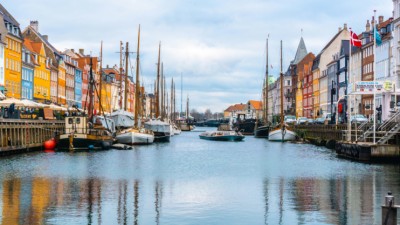
Copenhagen
Slow down, unwind, and explore a city where inclusion feels effortless.