- LGBTQ+ Friendly
- 5 City Guides
- 0 Likes
- Leave a comment
About Belgium
Belgium at a glance
Belgium is a compact but remarkably varied country in Northwestern Europe, set in the Low Countries between the North Sea and the river-and-forest landscapes that continue into France, Germany, the Netherlands, and Luxembourg.
For travelers, that small size is part of the appeal: major cities, historic towns, coastal resorts, and rural regions are all within relatively easy reach of one another.
It is a place where a day can begin in a museum-lined capital, continue through a medieval old town, and end with a long dinner and a beer in a neighborhood brasserie.
For LGBTQ+ travelers, Belgium is often appealing because it combines the practical comfort of a well-connected European destination with a generally open urban culture, especially in its biggest cities.
It is not a country that needs to be “decoded” for tourism; it is straightforward, walkable in many places, and accustomed to international visitors.
At the same time, it has a layered identity shaped by language, regional differences, and a long history that shows up in architecture, food, and the way people live and travel within the country.
Why travelers come
Belgium’s strongest draw is the range of experiences it packs into a small area.
Brussels offers museums, grand civic architecture, EU institutions, and a cosmopolitan city atmosphere.
Bruges is famous for its canals, historic streets, and preserved medieval core.
Ghent blends old-world scenery with a lively student population and a creative, contemporary feel.
Antwerp is a major cultural and fashion center, while smaller cities and towns add castles, cathedrals, market squares, and quiet neighborhoods that reward slow exploration.
Many visitors are also drawn by Belgium’s food and drink culture.
The country is known for chocolate, waffles, fries, and an exceptionally rich beer tradition, but its dining appeal goes beyond the classic tourist staples.
You will find everything from casual cafés and fritures to refined restaurants and multicultural food scenes in major cities.
Meals are often social and leisurely, and the country’s café culture makes it easy to spend time people-watching or stopping for a beer, coffee, or dessert between sights.
Culture, identity, and atmosphere
Belgium is culturally distinctive because it sits at a crossroads, both geographically and linguistically.
Dutch, French, and German are official languages, and everyday life can feel different depending on whether you are in Flanders, Wallonia, or Brussels.
That regional diversity is part of the travel experience rather than a complication to be avoided.
It gives the country a mosaic-like quality: cities can feel distinct from one another in architecture, pace, and local character, even though they are connected by a dense rail network and easy overland travel.
The country’s historical depth is visible everywhere, from medieval guild halls and market squares to grand 19th-century avenues and modern administrative districts.
Belgium is also strongly associated with art and design, including the Belgian comic tradition, Art Nouveau architecture, and a broader reputation for strong museums and inventive visual culture.
Travelers who enjoy cities with layers of history, but without the overwhelming scale of Europe’s largest capitals, often find Belgium especially satisfying.
Food and drink
Belgian cuisine is one of the country’s most dependable pleasures.
Fries are a national staple rather than a side note, and they are commonly eaten with a wide range of sauces.
Chocolate shops are easy to find, especially in tourist-heavy areas, but the country’s food identity also includes hearty stews, mussels, waffles, and seasonal regional dishes.
In cities, the dining scene can shift quickly from traditional brasserie fare to modern, international restaurants influenced by the country’s urban diversity.
Belgium is also one of Europe’s great beer destinations.
Its brewing culture ranges from everyday lagers to complex Trappist and specialty beers, and beer is woven into social life in bars, cafés, and restaurants across the country.
For many travelers, tasting local beer is as central to the trip as visiting museums or historic neighborhoods.
Even if you are not focused on beer, the café and bar culture is an important part of how Belgium feels on the ground: social, relaxed, and easy to enjoy without rushing.
Key destinations and trip style
Brussels is the natural entry point for many visitors and offers a mix of political capital, international institutions, museums, and a lively city center.
Antwerp is a strong choice for travelers interested in fashion, design, nightlife, and a more polished urban energy.
Ghent often appeals to people who want a city that feels both historic and lived-in, with canals, churches, and active neighborhoods rather than a purely preserved old town.
Bruges remains one of the most atmospheric destinations in the country, especially for travelers drawn to picturesque streets and a slower sightseeing rhythm.
Beyond the headline cities, Belgium rewards short regional excursions.
The North Sea coast offers a different side of the country, while smaller historic towns and rural areas highlight castles, abbeys, and countryside landscapes.
Because the country is compact and rail travel is practical, many travelers combine several destinations in one trip without needing long transfers.
That makes Belgium particularly good for city-hopping, weekend breaks, and travelers who like varied itineraries without exhausting logistics.
What makes Belgium distinctive for LGBTQ+ travelers
Belgium stands out as a destination that is both easy to navigate and rich in personality.
Its mix of cosmopolitan cities, compact geography, and strong hospitality culture makes it a comfortable choice for many LGBTQ+ visitors, especially those looking for a trip that balances culture, food, and relaxed urban exploring.
The country’s distinct regional identities also give it more texture than many first-time visitors expect.
A journey here can feel like several different European experiences packed into one itinerary.
What makes Belgium especially memorable is that it does not rely on a single iconic attraction.
Instead, it offers a combination of historic cities, strong culinary traditions, accessible transport, and a daily-life atmosphere that is welcoming to slow travel.
Whether you come for museums, architecture, nightlife, beer, or simply the pleasure of walking through beautiful city centers, Belgium delivers a travel experience that is polished, varied, and easy to enjoy.
LGBTQ+ Overview
LGBTQ+ overview
Belgium is generally one of the stronger destinations in Europe for LGBTQ+ travelers. Same-sex sexual activity is legal, and the country is widely regarded as having robust legal protections and relatively visible LGBTQ+ life, especially in larger cities such as Brussels, Antwerp, Ghent, and Leuven. For many travelers, day-to-day experience is comfortable and uneventful, though, as in any country, attitudes can vary by neighborhood, age group, and setting.
In practical terms, most visitors can expect to move around openly without much difficulty, particularly in urban and tourist areas. Public displays of affection are usually not a problem in mainstream city settings, but discretion can still be wise in more conservative environments, late at night, or outside major centers. Travelers who are trans or gender-nonconforming may encounter occasional confusion or bureaucratic friction in everyday situations, but Belgium’s overall legal framework is comparatively supportive.
Legal status and protections
Belgium has long been among Europe’s more progressive countries on LGBTQ+ rights. Same-sex activity is legal, and same-sex marriage is legal. Adoption rights for same-sex couples are also recognized, and anti-discrimination protections exist in law. These protections matter for visitors as well as residents, particularly if a traveler needs to report harassment, discrimination, or a problem in accommodation or service settings.
For transgender travelers, Belgium is also relatively accommodating by global standards. While administrative processes and local service experiences can still vary, the overall legal environment is not one of criminalization or systemic travel danger. As always, travelers should carry identification that matches their usual travel documents and be prepared for standard identity checks, especially when crossing borders or checking into lodging.
Social climate
The social climate is generally welcoming, with the best experience typically found in major cities and university towns. Belgium has a visible LGBTQ+ community and a public culture that is usually more accepting than confrontational. That said, acceptance is not uniform. Travelers may encounter more conservative attitudes in some rural areas or in private social settings, and isolated incidents of verbal harassment can happen anywhere.
Overall, the risk profile is more about ordinary urban caution than targeted legal or social danger. Most travelers will not need to alter their plans significantly, but it is still sensible to use normal street-smarts at night, avoid escalating situations with intoxicated strangers, and trust local context when deciding how openly to express affection.
Common traveler risks
The most likely issues for LGBTQ+ visitors are low-level rather than severe: occasional verbal harassment, uncomfortable stares, or a service interaction that feels awkward rather than clearly discriminatory. Nightlife districts can be lively and friendly, but they also bring the usual risks of theft, intoxication-related conflict, and opportunistic harassment. These are not unique to LGBTQ+ travelers, but queer visitors may be more visible in social venues and should keep the same awareness they would use in any busy city nightlife area.
For travelers who are trans, nonbinary, or gender-nonconforming, the main practical risks are misgendering, document checks that don’t match presentation, or uneven awareness among individual staff members. These are usually manageable issues rather than serious safety threats, but they can be stressful. Having a backup copy of key documents and booking confirmations can help if you need to clarify identity details during travel.
Support resources and practical help
Belgium has a mature civil society and generally accessible public services. If you experience a crime, discrimination, or harassment, local police and standard emergency services are the first point of contact. In the event of a medical or security emergency, travelers should use the country’s regular emergency response system. Larger cities are more likely than smaller towns to have staff familiar with LGBTQ+ concerns, and embassies or consulates can also help if you run into documentation or legal problems.
For non-emergency support, it is often easiest to seek help through mainstream healthcare providers, hotel staff, or local transport and tourist services, rather than assuming a dedicated LGBTQ+ service will be needed. In practice, Belgium’s broader institutional environment is generally capable of handling common traveler issues without major obstacles. If you need community-oriented support, major cities are the most likely places to find it, though travelers should verify current local organizations on arrival rather than relying on outdated listings.
Recent trajectory
Belgium’s overall trajectory has been positive over time, with a long-standing legal framework and public environment that place it among the more LGBTQ+-friendly countries in Europe. The practical picture for travelers has therefore been relatively stable: no major legal hostility, broad urban acceptance, and low risk compared with many parts of the world. The main takeaway is that Belgium remains a generally safe and straightforward destination for LGBTQ+ travel, with ordinary urban precautions still advisable and a somewhat more mixed experience possible outside the main cities.
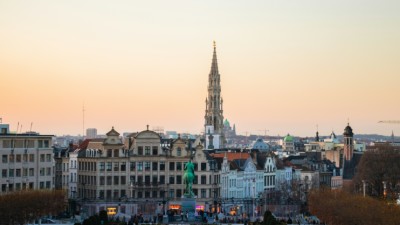
Brussels
Where culture, history, and inclusive city life meet.

Liège
A riverside city where history, culture, and inclusive travel meet.
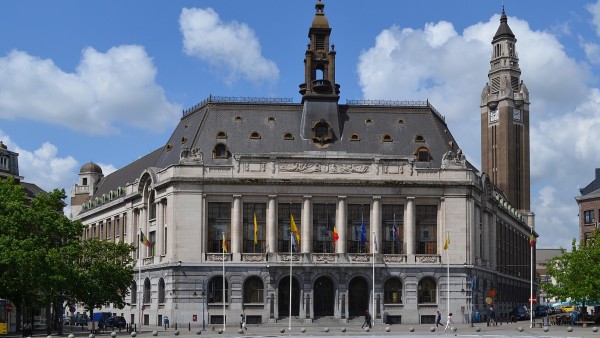
Charleroi
Industrial heritage, creative dining, and a base in francophone Belgium.
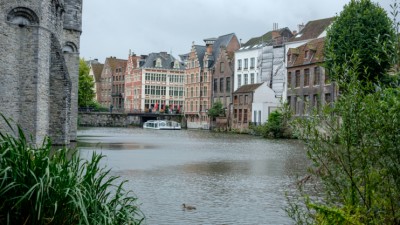
Gent
Cobblestone charm, canals, and open doors
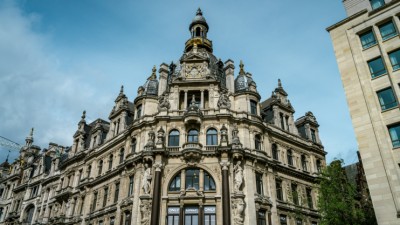
Antwerp
Where culture, community, and easygoing city breaks meet.