About Thessaloníki
As Greece’s second-largest city and the capital of Macedonia, it offers a dense urban experience shaped by 3,000 years of history, from Roman and Byzantine remains to Ottoman-era traces and a once-prominent Jewish heritage.For LGBTQ+ travelers, the city sits within a country where LGBTQ+ rights are among the most advanced in Europe, with civil partnerships recognized since 2015 and same-sex marriage legalized in 2024.
That national context matters when I plan a visit here: it gives Thessaloníki a more reassuring backdrop for exploring the city’s streets, waterfront, cafés, and nightlife in a relaxed, social way.Thessaloníki does not need loud claims to feel significant.
Its atmosphere is built on layers of identity, memory, and public life.
I come here for the mix of history and contemporary city energy, from the UNESCO-listed Byzantine churches to the iconic White Tower on the waterfront.
For LGBTQ+ visitors, that combination can make the city feel both culturally rich and easy to enjoy as part of a night-out or city-break itinerary.When I introduce Thessaloníki to queer travelers, I usually describe it as a place where heritage and modern urban life meet in a very walkable, sociable setting.
It is a city that invites you to linger, meet people, and move naturally from sightseeing into evening plans.
Our Review
I always think of Thessaloníki as one of Greece’s most welcoming cities for travelers who want culture by day and a social, outgoing atmosphere by night.
As Greece’s second-largest city and the capital of Macedonia, it offers a dense urban experience shaped by 3,000 years of history, from Roman and Byzantine remains to Ottoman-era traces and a once-prominent Jewish heritage.
For LGBTQ+ travelers, the city sits within a country where LGBTQ+ rights are among the most advanced in Europe, with civil partnerships recognized since 2015 and same-sex marriage legalized in 2024.
That national context matters when I plan a visit here: it gives Thessaloníki a more reassuring backdrop for exploring the city’s streets, waterfront, cafés, and nightlife in a relaxed, social way.
Thessaloníki does not need loud claims to feel significant.
Its atmosphere is built on layers of identity, memory, and public life.
I come here for the mix of history and contemporary city energy, from the UNESCO-listed Byzantine churches to the iconic White Tower on the waterfront.
For LGBTQ+ visitors, that combination can make the city feel both culturally rich and easy to enjoy as part of a night-out or city-break itinerary.
When I introduce Thessaloníki to queer travelers, I usually describe it as a place where heritage and modern urban life meet in a very walkable, sociable setting.
It is a city that invites you to linger, meet people, and move naturally from sightseeing into evening plans.
Community and support in Thessaloníki
When I walk Thessaloníki as an LGBTQ+ traveler, what stands out most is that this is not a city that exists in isolation: it is part of a country where LGBTQ+ rights are among the more advanced in Europe.
In Greece, civil partnerships have been legally recognized since 2015, and same-sex marriage has been legal since 16 February 2024.
That legal context matters for visitors looking for a city where basic rights and recognition are already in place.
Wikipedia: LGBTQ rights in Greece
Thessaloníki itself is Greece’s second-largest city and the capital of Macedonia, with a long, layered urban history.
Its size and role as a regional center mean that travelers will find the kinds of services and everyday infrastructure that matter when you need practical support rather than just nightlife.
The city’s historic, densely lived-in center also makes it easy to combine errands, appointments, and social life without feeling far from the main urban flow.
Wikivoyage: Thessaloniki
For health services, I would plan as I would in any major European city: use mainstream medical and hospital services for general care, and seek out established health providers for mental health or sexual health needs.
The source pack confirms Greece’s strong legal position on LGBTQ+ rights, but it does not list specific LGBTQ+ clinics, counseling centers, or HIV/AIDS organizations in Thessaloníki.
Because I can only rely on verified information here, I won’t invent names or addresses.
What I can say is that travelers should be able to access standard city health services, and anyone needing specialized support should confirm current providers locally through official channels before traveling.
For community connection, Thessaloníki’s strength is its urban social culture.
The city is known for its cafés, waterfront life, and busy central neighborhoods, which makes it easier to meet people and stay plugged into city life while traveling.
That social energy is useful if I’m looking for a friendly place to spend time, but it is not the same as a verified list of formal LGBTQ+ community centers.
At the moment, I can’t confirm specific community centers or support groups from the source pack alone, so I would avoid naming any.
If I were planning a stay here, I would use the city as a base for practical support: stay in the center, keep standard health contacts handy, and check the latest local information on LGBTQ+ services before arrival.
Thessaloníki’s combination of a large urban population, visible public life, and Greece’s relatively advanced legal framework makes it a sensible and grounded choice for LGBTQ+ travelers who want both community atmosphere and everyday access to services.
Events and Nightlife
When I plan a night out in Thessaloníki, I always start with the city’s bigger picture: this is Greece’s second-largest city, a place with a 3,000-year history and a very liveable, social rhythm that runs from the waterfront into the late-night hours.
That atmosphere matters for LGBTQ+ travelers, because it means the city is not only about sightseeing; it is also about cafés, bars, and evenings that naturally spill into the streets.
For background on the city itself, I refer to Wikivoyage’s Thessaloniki guide.
From an LGBTQ+ point of view, the most important national context is that Greece has relatively advanced LGBTQ+ rights by European standards.
Civil partnerships have been legally recognised since 2015, and same-sex marriage has been legal since 16 February 2024.
That doesn’t automatically define the social tone in every venue, but it does mean that LGBTQ+ travelers are visiting a country with strong legal recognition in place.
For that legal context, I rely on Wikipedia’s overview of LGBTQ rights in Greece.
Annual LGBTQ+ events
For Thessaloníki specifically, I do not have verified source material confirming annual LGBTQ+ events such as a Pride parade, festival, or recurring march.
Because I want to stay accurate, I won’t invent an event calendar or name a celebration without solid verification.
If you’re planning a trip around an LGBTQ+ event, I’d recommend checking current local listings and official event announcements before you go.
Nightlife and social scene
What Thessaloníki does offer is a strong late-night social culture.
The city is known for its cafés, busy central streets, and waterfront atmosphere, and that kind of environment is often where LGBTQ+ travelers feel most comfortable: visible, relaxed, and able to blend into the flow of city life.
I find that the best approach is to stay in the livelier central areas in the evening, where the social energy is highest and where going out feels more natural than performative.
I should be clear, though: the source pack does not verify specific LGBTQ+ bars, clubs, or dedicated queer venues in Thessaloníki, so I won’t list names I can’t support.
Instead, I’d describe the nightlife here as broadly urban and social rather than centered on a clearly documented queer nightlife district.
In practical terms, that means I’d look for busy, well-reviewed venues in the city centre and along the waterfront, and choose places that feel welcoming based on current conditions on the ground.
How I would approach a night out
If I were traveling here as an LGBTQ+ visitor, I’d use the city’s general openness and legal protections as a reassuring backdrop, then choose nightlife spaces with plenty of foot traffic and an easy, inclusive feel.
Thessaloníki is a city that rewards wandering, conversation, and unhurried evenings, so I’d lean into that social style rather than trying to force a rigid “scene.”
In short, Thessaloníki is best understood as a city with a lively social atmosphere and a strong legal framework for LGBTQ+ rights, even though I can’t verify a specific roster of queer venues or annual pride events from the available sources.
For LGBTQ+ travelers who enjoy meeting people, café culture, and a late-night urban buzz, it has the right ingredients for a good night out.
Cultural and Social Activities
When I spend time in Thessaloníki from an LGBTQ+ traveler’s perspective, I find that the city’s strongest appeal is its cultural depth rather than a clearly documented, separate “queer district.” Thessaloníki is Greece’s second-largest city and a place where 3,000 years of history are still visible in the streetscape, from Roman and Byzantine layers to traces of its Ottoman and Jewish past.
That mix gives the city a naturally open, cosmopolitan feel, especially in the central areas where I can move easily between museums, galleries, cafés, and the waterfront.
For culture, the most reliable starting point is the city’s Byzantine heritage.
Thessaloníki’s Byzantine churches are part of a UNESCO World Heritage listing, and they are one of the clearest ways to understand the city’s identity.
I always think these churches are especially worthwhile for LGBTQ+ visitors because they place us in a broader story of the city—one that is about continuity, diversity, and survival over centuries rather than a single narrative.
The city’s Roman and Ottoman remnants, along with reminders of its historically important Jewish population, add further depth to any self-guided cultural walk.
If I were planning a socially rich day in Thessaloníki, I would build it around the city center and the waterfront.
This is where I can combine sightseeing with the easy everyday social energy that makes a city feel welcoming.
Thessaloníki has the kind of urban rhythm I enjoy as a travel journalist: people out for coffee, evening strolls along the sea, and a relaxed pace that makes it easy to linger in public spaces.
For LGBTQ+ travelers, that matters, because culture is not just about museums and monuments—it is also about feeling comfortable in the streets between them.
I should be careful, though, to separate verified fact from assumption.
I have not found confirmed source material identifying dedicated LGBTQ+ museums, queer-specific walking tours, or officially recognized LGBTQ+ historical landmarks in Thessaloníki.
So, rather than inventing a specialized scene that I cannot verify, I would recommend approaching the city as a culturally rewarding destination where LGBTQ+ travelers can explore mainstream heritage sites and enjoy the city’s general social atmosphere.
In practice, that still makes for a very satisfying trip.
The broader Greek context also matters here.
Greece has relatively advanced LGBTQ+ rights by European standards, with civil partnerships recognized since 2015 and same-sex marriage legalized on 16 February 2024.
That legal framework does not replace local awareness, but it does create an important sense of legitimacy and security for travelers.
In a city like Thessaloníki, where public life is active and central neighborhoods are busy, that national backdrop helps make cultural outings feel more straightforward.
As for notable LGBTQ+ figures and influencers connected specifically to Thessaloníki, I do not have enough verified information in the source pack to name any with confidence.
Rather than guess, I would simply note that the city’s cultural identity has been shaped by many communities over time, and that is part of what gives it such a layered and welcoming character today.
For me, Thessaloníki works best as a destination for LGBTQ+ travelers who enjoy culture in motion: a church visit, a museum stop, a waterfront walk, then an easy evening among the city’s cafés and social spaces.
It is not a place that needs exaggeration.
Its strength is in the texture of everyday life, where history, identity, and urban energy meet in a very human, very walkable way.
Useful references: Thessaloniki on Wikivoyage, Greece on Wikipedia, LGBTQ rights in Greece on Wikipedia.
Accommodation
When I plan a stay in Thessaloníki from an LGBTQ+ point of view, I look first for a central base that feels easy, social, and practical.
Thessaloníki is Greece’s second-largest city and the capital of Macedonia, with a long urban history and a compact feel that makes it easy to explore on foot in the city center.
Its waterfront, cafés, and busy streets are part of what gives the city its welcoming everyday energy.
For background on the city itself, I often refer to the Wikivoyage Thessaloniki guide.
Because Greece has made substantial progress on LGBTQ+ rights, I feel comfortable recommending Thessaloníki to travelers who want a city break with a relatively reassuring legal backdrop.
Greece has recognized civil partnerships since 2015 and same-sex marriage since 16 February 2024, and public opinion is generally regarded as culturally liberal by European standards.
That said, I still advise choosing accommodation with the same care I would in any large city: location, reviews, and communication matter.
For context on the national picture, I also check the Wikipedia page on LGBTQ rights in Greece.
How I look for LGBTQ-friendly accommodation
I do not rely on labels alone.
Instead, I look for practical signs of inclusivity: properties that welcome all guests clearly, use respectful language in their listings, and have consistently positive reviews mentioning professionalism and comfort.
If a hotel has staff that communicate clearly in English, a straightforward check-in process, and a central address, that is usually a good start for me.
I also pay attention to whether the property is easy to reach by taxi or public transport, especially if I plan to enjoy Thessaloníki’s nightlife and return late.
For LGBTQ+ travelers, I would especially recommend checking recent guest reviews and messaging the property in advance if you want to confirm a couple-friendly or inclusive atmosphere.
In my experience as a travel writer, the safest bet is usually a well-reviewed city-center hotel or apartment rather than an unverified listing with vague promises.
Best areas to stay
City center: This is where I would base myself if I wanted to be in the middle of the action.
The central area gives easy access to shops, restaurants, cafés, museums, and the waterfront.
It is also the best choice if you want to move around on foot and feel connected to the city’s social rhythm.
Waterfront areas: Thessaloníki’s promenade is one of the city’s most attractive public spaces, and staying nearby puts you close to evening walks, casual dining, and the kind of relaxed social energy that suits LGBTQ+ travelers who enjoy a lively urban setting.
Areas close to major sights: If I am in the city for culture, I like staying near the historical core, where Roman, Byzantine, and Ottoman layers of the city are part of the daily landscape.
Thessaloníki’s Byzantine churches are UNESCO-listed, and being nearby makes sightseeing much easier.
What I would prioritize in a hotel or apartment
- Central location: close to the city center or waterfront for easy access to dining and nightlife.
- Strong recent reviews: especially comments about professionalism, cleanliness, and comfort.
- Clear guest policies: straightforward booking terms and respectful communication.
- Good transport access: useful for arriving late or returning after a night out.
- Private bathrooms and flexible check-in: often the most convenient setup for city travel.
My practical tips for inclusive stays
I always book early if I want the best central options, especially in a city as active as Thessaloníki.
I also read recent reviews carefully, not just the overall rating.
If a property has a pattern of comments about friendly staff and a relaxed atmosphere, that is often more useful than a generic marketing label.
If I am staying with a partner, I prefer places where the room type and booking process are clear, so there is no awkwardness at check-in.
I also keep my expectations realistic: even in a city with a relatively liberal urban culture and strong national legal protections, individual hotel experiences can vary.
Choosing well-reviewed, centrally located accommodation is the most reliable approach.
In short, my advice is to stay central, stay well-reviewed, and stay where you can enjoy Thessaloníki’s social side with ease.
The city’s history, waterfront, and café culture make it especially rewarding for LGBTQ+ travelers who enjoy a lively urban base rather than a resort-style stay.
Dining and Entertainment
When I spend time in Thessaloníki, I’m struck by how naturally the city lends itself to long, sociable meals and late evenings out.
As Greece’s second-largest city, Thessaloníki has the scale and energy of a major urban center, but it still feels wonderfully walkable and intimate in its historic core.
That makes dining and entertainment especially appealing if, like me, you prefer a city where you can move easily from a café table to a bar, and then on to a performance or a waterfront stroll.
For LGBTQ+ travelers, the good news starts with the national context.
Greece is widely regarded as one of Europe’s more advanced countries for LGBTQ+ rights, with civil partnerships recognized since 2015 and same-sex marriage legalized on 16 February 2024.
That legal framework matters when choosing where to eat, drink, and spend an evening, because it contributes to a broader sense of confidence and openness in public life.
In Thessaloníki, I would still look for the same practical signs of hospitality that matter anywhere: professional service, relaxed staff, clear menus, and a generally mixed and local clientele.
Thessaloníki’s dining scene is rooted in the city’s long history and cosmopolitan character.
The city has a continuous history of around 3,000 years and preserves traces of Roman, Byzantine, Ottoman, and Jewish life.
That layered past shows up in the food culture too, especially in the city center, where I can find traditional tavernas, modern restaurants, cafés, and bakeries all within a short walk of one another.
For a traveler who wants to experience the city socially, this is one of Thessaloníki’s biggest advantages: dinner can easily turn into an evening of people-watching and conversation.
I would focus my dining plans on central neighborhoods and the waterfront, where the atmosphere is usually busiest and most relaxed.
The waterfront is especially good for an unhurried coffee, dessert, or evening drink, while the inner streets around the center are where I’d expect the broadest mix of eateries and the strongest sense of urban life.
Because the source material does not verify any dedicated LGBTQ+ restaurants, cafés, or nightlife venues by name, I won’t pretend there is a confirmed queer dining district here.
Instead, I’d describe Thessaloníki as a city where LGBTQ+ visitors can comfortably participate in the mainstream food and social scene, especially in lively central areas.
On the entertainment side, Thessaloníki is a city that rewards curiosity.
Its UNESCO-listed Byzantine churches are the city’s best-known heritage sites, but when I’m planning a night out I think beyond monuments and toward the places where the city gathers after dark.
The historic center, the waterfront, and the busy public squares all support a naturally social rhythm.
That makes the city well suited to casual evenings that begin with dinner and continue with a film, a theater performance, or live music, depending on what is on locally.
Because I am only using verified information here, I can’t name specific cinemas, theaters, or recurring LGBTQ+ performance venues as confirmed queer-friendly spaces.
What I can say is that Thessaloníki’s size and cultural importance mean that visitors should expect the usual range of entertainment options found in a major Greek city, and that public life in the center is generally active enough to make going out feel easy rather than intimidating.
If I were traveling here, I would choose venues in the busiest central areas, where the atmosphere is naturally more inclusive and where it is easier to blend in with the flow of local nightlife.
For me, the most appealing way to enjoy Thessaloníki as an LGBTQ+ traveler is to treat the city as a place for shared meals, long conversations, and culture-rich evenings.
I would start with a meal in the center, continue with a walk along the waterfront, and then look for a cinema, theater, or live performance that fits the night.
The city’s historical depth, urban energy, and favorable national LGBTQ+ context all support that kind of experience.
Useful references: Wikivoyage: Thessaloniki, LGBTQ rights in Greece
Travel Tips
When I visit Thessaloníki, I treat it as a city for walking, eating, and staying social well into the evening.
It is Greece’s second-largest city and a place with a long, layered history, so I find the best travel approach is to stay central, move around on foot where possible, and spend time in the busiest parts of the city rather than in isolated areas.
Thessaloníki’s UNESCO-listed Byzantine churches and its dense historic core make it especially rewarding for travelers who like to combine sightseeing with café stops and evening plans.
From an LGBTQ+ point of view, the wider legal situation in Greece is reassuring.
Greece is generally regarded as one of the more advanced countries in Europe on LGBTQ+ rights, with civil partnerships recognized since 2015 and same-sex marriage legalized on 16 February 2024.
That does not mean every interaction will feel the same everywhere, but it does mean I can travel with a solid sense that my relationship is legally recognized and that I am in a country with comparatively strong protections.
In practice, I still follow the usual city-smart rules.
Thessaloníki is lively, and the busiest neighborhoods are the ones I prefer after dark: places with cafés, bars, restaurants, and steady foot traffic.
I avoid wandering alone through quiet streets late at night, and I make sure I have a safe and straightforward way back to my accommodation.
For me, that means planning my route in advance and keeping evenings centered around well-used public spaces.
I also keep my public behavior calibrated to the setting.
In central Thessaloníki, I generally find the atmosphere relaxed and urban, but I still read the room, especially in more traditional or less tourist-heavy settings.
As in many Mediterranean cities, casual friendliness is common, but public displays of affection can still attract attention depending on the context.
My rule is simple: I stay myself, but I stay aware of my surroundings.
For accommodation, I choose properties with recent reviews, a central location, and clear communication.
That matters everywhere, and it matters here too.
I look for places near the city center or waterfront so that I can get back easily after dinner or drinks.
Being able to walk to major sights, transit, and evening venues makes the trip much smoother and also keeps me in the most active, well-lit parts of the city.
When I want to connect with local LGBTQ+ life, I rely on current local listings and community-led information rather than assuming a fixed queer district exists.
The source material does not verify specific LGBTQ+-only venues, annual events, or support groups in Thessaloníki, so I do not invent them.
Instead, I focus on the broader city culture: central cafés, nightlife areas, and social spaces where people mix.
That is often the most realistic way to meet locals and other travelers in Thessaloníki.
I also recommend checking recent travel and community sources before arrival, because nightlife and social spaces can change.
If I am looking for an evening out, I prioritize central districts with active restaurants and bars rather than chasing a named venue that may no longer be current.
In a city like Thessaloníki, the social experience is often about the neighborhood atmosphere as much as any single place.
My bottom-line advice is straightforward: stay central, move confidently but carefully, and make the city’s energy work for you.
Thessaloníki rewards travelers who enjoy a blend of culture, food, and nightlife, and that makes it a very natural fit for LGBTQ+ visitors who want a city break with personality, walkability, and a genuinely social rhythm.
Useful references: Wikivoyage: Thessaloniki, Wikipedia: Greece, Wikipedia: LGBTQ rights in Greece.
As I wrap up my time in Thessaloníki, what stands out most is how naturally the city blends deep history with a modern, social rhythm.
It is Greece’s second-largest city, with a 3,000-year past and a remarkable mix of Roman, Byzantine, Ottoman, and Jewish heritage.
For LGBTQ+ travelers, that matters because it creates a city break that feels layered and alive rather than curated or artificial.
The UNESCO-listed Byzantine churches and the active central neighborhoods give Thessaloníki a strong sense of place, while the city’s size and energy make it easy to slip into the flow of cafés, seafront walks, and late-evening plans.
From an LGBTQ+ point of view, the strongest advantage is the wider Greek context.
Greece has made notable legal progress, with civil partnerships recognized since 2015 and same-sex marriage legalized on 16 February 2024.
That does not make every experience identical, of course, but it does mean LGBTQ+ travelers arrive in a country with a comparatively strong legal framework and a broadly liberal public climate by regional standards.
For me, that is an important part of how confident a city break feels.
The challenge is that Thessaloníki is not a destination defined by a clearly documented, highly visible queer scene in the way some larger European capitals are.
Based on verified information, I would not overstate the existence of dedicated LGBTQ+ landmarks, events, or venues.
Instead, I would describe the city as welcoming in a broader urban sense: social, walkable, and easy to enjoy when you stay in busy central areas and follow the usual common-sense travel habits.
My recommendation to LGBTQ+ travelers is simple: come for the history, stay for the atmosphere, and make the central city your base.
Explore the waterfront, linger in the cafés, and take time to visit the Byzantine churches and other historic layers that make Thessaloníki distinctive.
If you are looking for a city that combines cultural depth with an easygoing, social pace, this is a very rewarding place to spend a few days.
In short, Thessaloníki offers LGBTQ+ visitors a compelling mix of heritage, energy, and legal reassurance.
I would not come expecting a heavily branded queer district; I would come expecting a vibrant Greek city where you can enjoy yourself, blend into the urban rhythm, and experience the city’s strengths in a relaxed and authentic way.
For travelers who appreciate history by day and a lively city atmosphere by night, Thessaloníki is well worth the trip.
Other Guides in Greece
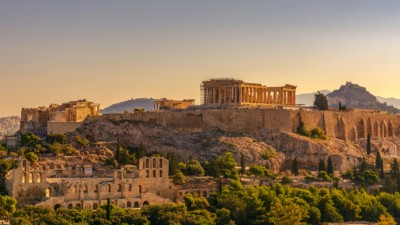
Athens
Ancient streets, contemporary pride.