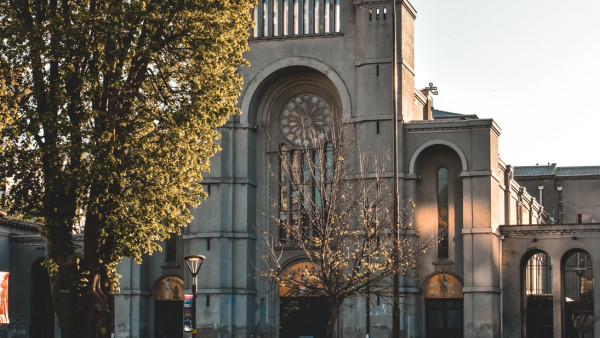
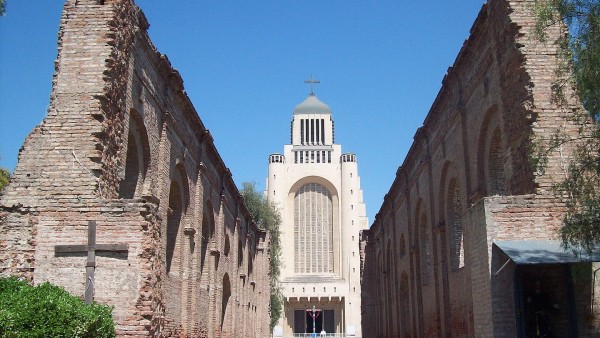
About Puente Alto
Our Review
Social Acceptance and Safety in Puente Alto
As a solo LGBTQ+ traveler exploring Puente Alto, a large commune just southeast of Santiago, Chile, I found it important to understand the local social climate and safety considerations.
While Chile has made significant progress in LGBTQ+ rights—legalizing same-sex marriage in 2021 and strengthening anti-discrimination laws—Puente Alto remains more conservative compared to central Santiago.
General Attitudes: Puente Alto is primarily a working-class and residential area, where traditional values often prevail.
Public displays of affection between same-sex couples are less common here than in Santiago’s more cosmopolitan neighborhoods.
That said, locals I encountered were generally polite and respectful, though discretion is advisable, especially in less urbanized or crowded settings.
Safety Concerns and Tips: Puente Alto is considered relatively safe during the day, but like many urban areas, it’s wise to stay alert, especially after dark.
I recommend the following safety tips:
- Travel with a companion when possible, particularly at night.
- Stay in well-lit, populated areas and avoid isolated streets or parks after sunset.
- Use reliable transportation options such as registered taxis or ride-sharing apps.
- Familiarize yourself with local emergency numbers and LGBTQ+ support resources.
- When meeting new people, especially through apps, choose public venues.
LGBTQ+ Friendly Areas: Puente Alto does not have a distinct LGBTQ+ neighborhood or dedicated venues.
For a more vibrant and openly LGBTQ+ friendly nightlife or community spaces, I recommend visiting central Santiago, where you can find bars and clubs such as La Copa and Monticello.
However, Puente Alto’s main plaza area tends to be more open-minded than its outskirts, and respectful behavior is generally reciprocated.
In summary, while Puente Alto is not a hotspot for LGBTQ+ nightlife or culture, it offers an authentic glimpse into everyday Chilean life.
By exercising standard travel caution and respecting local customs, LGBTQ+ solo travelers can navigate Puente Alto safely and with confidence.
Community and Support in Puente Alto
As a solo traveler exploring Puente Alto, I found that while the city itself is primarily residential and quieter compared to Santiago, there are meaningful ways to connect with the LGBTQ+ community and access support services nearby.
Key LGBTQ+ Organizations
Puente Alto does not host many dedicated LGBTQ+ organizations within its immediate area.
However, its close proximity to Santiago—just about a 30-minute drive—means that the capital’s more established groups are easily accessible.
For example, Fundación Todo Afectivo is a well-known organization based in Santiago that advocates for LGBTQ+ rights and provides educational programs and community outreach.
While not located in Puente Alto, their work benefits the wider metropolitan area, including residents of Puente Alto.
Health Services
Health services in Puente Alto are provided through the public healthcare system, which includes access to sexual health resources.
The Chilean Ministry of Health ensures availability of HIV testing and treatment across the country, including in Puente Alto’s public clinics and hospitals.
Mental health support is also available through local health centers, although specialized LGBTQ+ mental health services tend to be more centralized in Santiago.
Community Centers and Resources
Dedicated LGBTQ+ community centers are not present within Puente Alto itself.
However, local cultural centers and libraries occasionally host inclusive events and activities that welcome diversity and promote social connection.
For a more vibrant LGBTQ+ community experience, I recommend visiting Santiago, where organizations such as ONG Dignidad provide safe spaces, advocacy, and educational programs.
While Puente Alto may not be a hub for LGBTQ+ nightlife or large-scale community gatherings, its residential calm combined with easy access to Santiago’s resources makes it a practical base for LGBTQ+ travelers seeking a quieter environment without sacrificing connection to support networks.
Events and Nightlife in Puente Alto from an LGBTQ+ Perspective
As someone who enjoys exploring new places solo, I found Puente Alto to be a quiet, primarily residential suburb of Santiago, Chile.
When it comes to LGBTQ+ events and nightlife, Puente Alto itself does not host dedicated Pride parades, festivals, or specialized LGBTQ+ nightlife venues.
The area is more known for its local community life rather than a vibrant LGBTQ+ scene.
If you’re looking for annual LGBTQ+ events such as Pride marches or festivals, the best place to experience these is in Santiago, the Chilean capital located about 20 kilometers northwest of Puente Alto.
Santiago hosts the Marcha del Orgullo Santiago, Chile’s largest Pride parade, typically held in November or December.
This event draws thousands of participants and features live music, performances, and community activities celebrating LGBTQ+ visibility and rights.
Regarding nightlife, Puente Alto offers limited options specifically catering to the LGBTQ+ community.
The nightlife here tends to be low-key and oriented toward the local residential population.
For a more diverse and inclusive experience, I recommend heading into Santiago, where neighborhoods like Bellavista and Lastarria are known for their LGBTQ+ friendly bars, clubs, and social venues.
These areas provide welcoming atmospheres and a range of entertainment options, from casual bars to lively dance clubs.
In summary, while Puente Alto itself does not have a distinct LGBTQ+ nightlife or annual Pride events, its proximity to Santiago makes it a convenient base for travelers who want a quieter stay while still having easy access to Chile’s most vibrant LGBTQ+ cultural and social scenes.
Cultural and Social Activities in Puente Alto from an LGBTQ+ Perspective
As a solo traveler passionate about discovering authentic local cultures, I found Puente Alto to be a largely residential and suburban area just outside Santiago, Chile.
While Puente Alto itself does not have a prominent LGBTQ+-specific cultural scene, it offers community spaces and access to nearby Santiago’s richer queer cultural landscape.
Theaters, Museums, and Art Galleries
Puente Alto’s main cultural hub is the Centro Cultural de Puente Alto, which hosts a variety of theater performances, art exhibitions, and workshops.
These events tend to focus on community themes and local artists rather than LGBTQ+-specific programming.
However, the welcoming atmosphere and diverse offerings make it a valuable place to engage with local culture.
For more explicitly LGBTQ+-focused cultural experiences, I recommend visiting central Santiago, where institutions like the Museo de la Memoria y los Derechos Humanos provide important context on Chile’s human rights history, including struggles related to sexual diversity and gender identity.
LGBTQ+ Tours and Historical Landmarks
Puente Alto does not currently offer dedicated LGBTQ+ tours or have widely recognized LGBTQ+ historical landmarks.
However, Santiago, just a short trip away, features several guided tours tailored to LGBTQ+ travelers.
Organizations such as Chile LGBT Tours offer curated experiences exploring queer history, art, and nightlife in the capital.
Notable LGBTQ+ Figures and Influencers
While Puente Alto itself is not known for prominent LGBTQ+ figures, Chile has influential personalities like Pedro Lemebel, a celebrated writer and performer whose work has had a profound impact on LGBTQ+ visibility and rights across the country.
His legacy resonates throughout Chile’s queer cultural scene, including in the greater Santiago area.
Final Thoughts
Puente Alto offers a quieter, community-focused environment that can serve as a peaceful base for solo travelers interested in exploring Chile’s broader LGBTQ+ culture.
Combining visits to local cultural centers with trips into Santiago’s vibrant queer-friendly spaces creates a balanced and enriching travel experience.
As someone who enjoys the freedom of solo travel, I appreciate how Puente Alto’s proximity to the capital allows for both tranquility and access to diverse cultural activities.
Accommodation in Puente Alto: LGBTQ+ Friendly Options and Tips
As a solo traveler who values both safety and inclusivity, I found that Puente Alto, a residential suburb southeast of Santiago, offers a quieter, more local experience but limited explicitly LGBTQ+ friendly accommodations within its boundaries.
Puente Alto is primarily a working-class area with fewer hotels and guesthouses compared to central Santiago, so when looking for LGBTQ+ welcoming stays, it’s important to consider nearby neighborhoods and practical strategies.
LGBTQ+ Friendly Hotels and Accommodations
Puente Alto itself does not have a well-known LGBTQ+ hotel scene or dedicated queer guesthouses.
However, the city’s excellent metro connection (Line 4) to Santiago’s center makes it easy to stay in more inclusive neighborhoods and commute if you want to explore Puente Alto or prefer a quieter base.
In Santiago, neighborhoods such as Providencia and Bellavista are recognized for their LGBTQ+ friendly atmosphere.
These areas offer a variety of hotels, hostels, and guesthouses that openly welcome LGBTQ+ travelers.
Many of these accommodations have non-discrimination policies and receive positive reviews from queer guests.
Tips for Finding Inclusive Accommodation
- Use trusted booking platforms: Websites like Booking.com and Airbnb allow you to read guest reviews and filter for properties that emphasize inclusivity.
- Read reviews carefully: Look for mentions of respectful hosts and safe environments in guest feedback, especially from LGBTQ+ travelers.
- Contact hosts directly: Don’t hesitate to ask about their experience hosting LGBTQ+ guests or their non-discrimination policies.
- Choose established hotels: Larger hotels in Santiago often have formal inclusivity policies and staff training, which can provide extra peace of mind.
Welcoming Neighborhoods Nearby
While Puente Alto offers a peaceful environment, I recommend considering accommodations in central Santiago neighborhoods for a more vibrant LGBTQ+ experience:
- Providencia: A safe, upscale area with many hotels, restaurants, and cafes.
It’s popular among LGBTQ+ travelers for its welcoming vibe and proximity to cultural attractions. - Bellavista: Known for its nightlife, arts scene, and LGBTQ+ friendly bars and clubs.
Staying here puts you in the heart of Santiago’s queer social life.
Both neighborhoods are easily accessible from Puente Alto by metro, making day trips or evening outings convenient.
Final Thoughts
Puente Alto’s residential character means it’s not a hotspot for LGBTQ+ tourism, but its metro connectivity to Santiago’s inclusive neighborhoods makes it a practical choice for travelers seeking a quieter stay with easy access to LGBTQ+ friendly spaces.
When booking accommodations, prioritize inclusivity by researching and communicating with hosts, and consider staying in central Santiago if you want to immerse yourself in the city’s welcoming queer culture.
Dining in Puente Alto: Local Flavors with a Welcoming Atmosphere
Puente Alto, located on the southeastern edge of Santiago, is primarily a residential area with a modest but authentic culinary scene.
While it does not have venues explicitly branded as LGBTQ+ spaces, the local restaurants and cafés are generally warm and welcoming, reflecting Chile’s growing culture of inclusivity.
Most dining options here focus on traditional Chilean cuisine, with family-run eateries offering dishes like empanadas, pastel de choclo, and hearty stews.
These casual spots provide a relaxed atmosphere where solo travelers like myself can enjoy authentic flavors without the bustle of central Santiago.
For those seeking explicitly LGBTQ+ friendly dining experiences, I recommend making a short trip into Santiago’s downtown or neighborhoods such as Bellavista and Lastarria, where queer-owned cafés and restaurants are more visible and celebrated.
Travel Tips for LGBTQ+ Travelers Visiting Puente Alto, Chile
As a solo traveler who enjoys exploring new places with an open mind, I found Puente Alto to be a unique experience just outside Santiago.
While it’s primarily a residential and more traditional area, there are practical tips that can help LGBTQ+ visitors navigate the city comfortably and safely.
Understanding Local Customs
Chile has made significant progress in LGBTQ+ rights, including the legalization of same-sex marriage in 2022.
However, Puente Alto is more conservative compared to central Santiago.
Public displays of affection between same-sex couples are uncommon here and might attract unwanted attention.
I recommend being discreet and observing local interactions before expressing affection openly.
Dos and Don'ts
- Do engage respectfully with locals.
Chileans are generally warm and welcoming, and showing interest in their culture goes a long way. - Do explore LGBTQ+-friendly neighborhoods in Santiago, such as Bellavista or Lastarria, which are easily accessible by metro from Puente Alto.
- Don't expect a visible LGBTQ+ nightlife or dedicated queer spaces within Puente Alto itself, as these are limited.
- Don't display overt affection in public spaces to avoid discomfort or negative reactions.
Travel Safety
Puente Alto is generally safe during the day, but like any urban area, it’s wise to stay alert, especially at night.
I found using ride-sharing apps like Uber or Cabify to be the safest way to get around after dark.
Stick to well-lit, populated areas and keep your belongings secure to avoid petty theft.
Connecting with the Local LGBTQ+ Community
While Puente Alto itself doesn’t have a prominent LGBTQ+ scene, Santiago’s vibrant community is just a metro ride away.
Organizations like MOVILH (Movimiento de Integración y Liberación Homosexual) provide resources and support for LGBTQ+ individuals in Chile.
I recommend checking their website for events or information.
Social apps can also be useful to meet locals, but always prioritize meeting in public spaces and trust your instincts.
Visiting LGBTQ+-friendly cafes and bars in Santiago can enrich your experience and help you connect with the community.
Overall, traveling solo in Puente Alto requires a respectful and mindful approach, but it offers a genuine glimpse into everyday Chilean life.
With a bit of planning and awareness, LGBTQ+ travelers can enjoy a safe and rewarding visit.
Puente Alto offers a unique experience for LGBTQ+ travelers seeking an authentic glimpse into everyday Chilean life beyond the well-trodden paths of Santiago.
Its strengths lie in its genuine residential atmosphere, access to local markets, and proximity to natural landscapes, providing a peaceful retreat for those who appreciate quieter surroundings.
However, it’s important to acknowledge that Puente Alto does not have a prominent or visible LGBTQ+ scene.
Unlike central Santiago neighborhoods such as Bellavista or Providencia, where LGBTQ+ venues and events are more established, Puente Alto remains a more conservative and less openly queer-friendly environment.
This means that public expressions of LGBTQ+ identity may be more subdued here, and discretion is advisable.
For LGBTQ+ travelers like myself who enjoy solo adventures, I recommend using Puente Alto as a calm base from which to explore the wider Santiago metropolitan area.
Day trips or evenings in Santiago’s vibrant LGBTQ+ neighborhoods can complement your stay, allowing you to balance cultural immersion in Puente Alto with connection to inclusive spaces and communities.
Ultimately, Puente Alto invites travelers to embrace its local charm and slower pace while respecting the social context.
With thoughtful planning and an open mind, LGBTQ+ visitors can enjoy a meaningful and enriching experience that broadens their understanding of Chilean culture beyond the capital’s urban core.
So, pack your curiosity and confidence—Puente Alto awaits with its authentic spirit and quiet beauty, ready to be discovered on your own terms.