- Home
- New Zealand
- Auckland
About Auckland
It is the country’s largest city, spread across a dramatic harbour setting on the North Island, with a metropolitan feel that still leaves room for ferries, coastal suburbs, and easy day trips.
New Zealand is widely recognised for its strong LGBTQ+ rights protections, and Auckland reflects that broader national context as a major urban centre with a diverse, outward-looking atmosphere.For LGBTQ+ visitors, Auckland’s significance comes less from a single defined district and more from its role as New Zealand’s largest city and a natural gateway to the country’s cultural and social life.
It is also a city where major public celebrations and civic events have long had space to be visible and well attended.
The most notable LGBTQ+ event associated with the city is Auckland Pride, the city’s annual Pride festival, which gives the calendar a clear focal point for community visibility and celebration.In practical travel terms, I find Auckland especially attractive for travellers who appreciate a comfortable, high-end city break: waterfront hotels, harbour dining, and stylish neighbourhoods make it easy to build an itinerary around both relaxation and culture.
The city’s geography adds to the experience too.
Central Auckland sits on the Waitematā Harbour, while places such as Devonport, directly across the harbour, offer a scenic coastal counterpoint that is easy to reach.For travellers who like to pair city energy with heritage, Auckland also offers landmarks and institutions that help ground a visit in place.
The city’s harbour setting, its major museums, and its role as the country’s most populous urban area all contribute to its appeal.
If you are planning an LGBTQ+ city escape in New Zealand, Auckland is a logical starting point: accessible, internationally minded, and large enough to offer choice without losing its sense of waterfront character.
Our Review
I see Auckland as one of the most practical and appealing bases in New Zealand for LGBTQ+ travellers.
It is the country’s largest city, spread across a dramatic harbour setting on the North Island, with a metropolitan feel that still leaves room for ferries, coastal suburbs, and easy day trips.
New Zealand is widely recognised for its strong LGBTQ+ rights protections, and Auckland reflects that broader national context as a major urban centre with a diverse, outward-looking atmosphere.
For LGBTQ+ visitors, Auckland’s significance comes less from a single defined district and more from its role as New Zealand’s largest city and a natural gateway to the country’s cultural and social life.
It is also a city where major public celebrations and civic events have long had space to be visible and well attended.
The most notable LGBTQ+ event associated with the city is Auckland Pride, the city’s annual Pride festival, which gives the calendar a clear focal point for community visibility and celebration.
In practical travel terms, I find Auckland especially attractive for travellers who appreciate a comfortable, high-end city break: waterfront hotels, harbour dining, and stylish neighbourhoods make it easy to build an itinerary around both relaxation and culture.
The city’s geography adds to the experience too.
Central Auckland sits on the Waitematā Harbour, while places such as Devonport, directly across the harbour, offer a scenic coastal counterpoint that is easy to reach.
For travellers who like to pair city energy with heritage, Auckland also offers landmarks and institutions that help ground a visit in place.
The city’s harbour setting, its major museums, and its role as the country’s most populous urban area all contribute to its appeal.
If you are planning an LGBTQ+ city escape in New Zealand, Auckland is a logical starting point: accessible, internationally minded, and large enough to offer choice without losing its sense of waterfront character.
Events and Nightlife in Auckland, New Zealand
When I plan an LGBTQ+ city break in Auckland, I look first at the calendar.
New Zealand’s legal environment is among the most progressive in the world for LGBTQ+ rights, and Auckland—its largest city—reflects that openness in the way community events and nightlife are woven into the broader urban scene.
The city does not rely on a single concentrated gay district; instead, the LGBTQ+ experience is spread across central Auckland and its well-connected neighbourhoods, with the waterfront, inner-city dining areas, and nearby Devonport all offering different ways to enjoy a stay.
Annual LGBTQ+ events
The standout annual event is Auckland Pride, the city’s best-known LGBTQ+ celebration.
It brings together a programme of community-focused and cultural events, with visibility at its core.
In a city as large and diverse as Auckland, Pride is an important moment on the calendar for both locals and visitors, and it gives travellers a clear anchor point if they want to time a trip around the city’s LGBTQ+ scene.
Because event schedules can change from year to year, I always recommend checking the official Auckland Pride programme before booking flights or accommodation.
For me, the appeal of Pride in Auckland is that it fits naturally into a wider urban itinerary.
It is easy to combine with harbour dining, museum visits, and a stay in a premium central hotel or a quieter waterfront address.
If I want a more relaxed base during Pride season, I would also consider Devonport, the harbour suburb just across from central Auckland, which offers a calmer setting while still keeping the city’s main events within easy reach.
Nightlife in Auckland
Auckland’s LGBTQ+ nightlife is best understood as part of the city’s wider hospitality scene rather than as a tightly packed strip of venues.
That makes the experience feel accessible and modern.
I would expect the most comfortable evenings for LGBTQ+ travellers to be in central Auckland, where there is the strongest concentration of bars, restaurants, and late-night transport options.
The city’s scale and international character mean that many venues are accustomed to serving a broad mix of local and overseas guests.
Because the available verified sources for this guide do not provide a current list of named LGBTQ+ bars or clubs, I won’t guess at specific venues.
What I can say is that Auckland’s nightlife works especially well for travellers who prefer stylish, flexible evenings: cocktails before dinner, waterfront dining, and a late drink in an upmarket central location are all easy to build into an itinerary.
That suits a luxury-minded visitor well, especially one who wants a polished city experience rather than a single nightlife district.
Where I would base myself for going out
If nightlife is a priority, I would stay in or near central Auckland for convenience and ease of movement.
The city’s core is the most practical base for evening plans, with better access to restaurants, bars, and taxis or rideshares.
Devonport is a strong alternative if I want a quieter stay; it is a seaside suburb on the North Shore directly across the harbour from central Auckland, so it works well for visitors who want atmosphere by day and a calmer retreat at night.
Practical notes for LGBTQ+ travellers
Auckland is generally considered a welcoming place for LGBTQ+ travellers, and New Zealand’s strong legal protections provide an important foundation for that experience.
Even so, I still advise the usual big-city awareness at night: stay in busy areas, use licensed transport, and choose well-reviewed venues.
For anyone visiting during Pride or other major events, it is wise to book accommodation early, especially if you want a high-end hotel with good access to the waterfront and central dining scene.
In short, Auckland’s LGBTQ+ nightlife is less about one famous district and more about a confident, citywide ease.
The annual Pride calendar, the central hospitality scene, and the harbour setting all combine to make it a very appealing destination for travellers who want a sophisticated, welcoming evening out.
Auckland | LGBTQ rights in New Zealand | Devonport (New Zealand)
Cultural and Social Activities in Auckland for LGBTQ+ Travelers
When I plan a culture-forward stay in Auckland, I find it helpful to think of the city less as a single queer district and more as a large, outward-looking metropolitan base where LGBTQ+ life sits comfortably within the broader urban scene.
Auckland is New Zealand’s largest city, and that scale matters: it means there is enough depth for museum visits, theatre evenings, gallery browsing, and harbour-side socialising without the experience feeling niche or hard to access.
New Zealand’s strong LGBTQ+ rights framework also shapes the atmosphere, making the city feel broadly welcoming rather than performatively “gay-friendly.”
For a first-time visitor, I would begin with Auckland’s mainstream cultural institutions and art spaces.
The city’s museums and galleries are part of what makes it such an easy place to spend a polished, city-centre day: they are the kinds of places where LGBTQ+ visitors can expect the same comfortable, cosmopolitan environment they would look for in any major international city.
Because Auckland is a major metropolitan centre, these cultural venues are typically a practical choice for travelers who want a refined itinerary built around exhibitions, architecture, and good dining nearby.
Auckland’s theatre and live-performance scene is also a natural fit for travelers who want evenings with a little more style.
Rather than framing the city around nightlife alone, I’d suggest using theatre, concert halls, and performance venues as the social anchor for a more elegant trip.
That approach suits Auckland particularly well, since its city centre and waterfront areas make it easy to move from dinner to a show and then back to a central hotel without much effort.
For LGBTQ+ history and community context, the most important landmark is Auckland Pride, the city’s main annual LGBTQ+ festival.
This is not just a celebration but a visible cultural moment that brings together community events, performances, and public expression across the city.
If I were writing an itinerary for someone visiting during Pride, I would make room for both official events and the surrounding city energy, because Auckland Pride is one of the clearest ways to experience the city’s contemporary LGBTQ+ social life.
The official programme is the best reference point, since annual details can change.
I would also treat the city itself as part of the story.
Auckland does not operate like a compact, single-neighbourhood gay village; instead, LGBTQ+ social life is dispersed across central Auckland and nearby areas.
That means the cultural experience is integrated into the wider city rather than separated from it.
For many travelers, especially those who prefer a more discreet and upscale style of travel, that is a genuine advantage.
It allows for a seamless mix of gallery time, harbour walks, restaurant reservations, and evening events without needing to build the trip around one district alone.
If I want a quieter base with easy access to the city, I look at Devonport, the seaside suburb directly across the harbour from central Auckland.
It is a practical choice for travelers who value a calmer, more scenic atmosphere after a day of museums or events.
From a lifestyle perspective, Devonport works well as a retreat between outings: close enough to the centre for cultural plans, but with a more residential, harbour-side feel.
As for notable LGBTQ+ figures and influencers connected to Auckland, I would be careful not to overstate anything without a current verified source.
Based on the source pack here, the most clearly documented LGBTQ+ reference point is Auckland Pride itself, along with New Zealand’s broader reputation for strong LGBTQ+ rights.
In practice, that means the city’s LGBTQ+ visibility is best understood through its public cultural calendar, social spaces, and citywide openness rather than through a long list of officially verified local celebrity ambassadors.
My practical advice is simple: if culture is your priority, stay central, check Pride programming if your visit overlaps with the festival, and use Auckland’s museums, galleries, and theatre venues as the backbone of your stay.
Auckland rewards a traveler who appreciates comfortable luxury, a good exhibition, and an easy transition from day culture to evening dining.
It is a city where LGBTQ+ travelers can experience the full breadth of urban New Zealand without sacrificing style or ease.
Auckland | LGBTQ rights in New Zealand | Devonport (New Zealand)
Accommodation
When I choose accommodation in Auckland as an LGBTQ+ traveler, I start with the city’s broader context: New Zealand has some of the most extensive LGBTQ+ rights protections in the world, and Auckland is its largest city.
That combination usually translates into a practical, comfortable stay, especially if I’m looking for a polished hotel rather than a highly segmented “gay district” experience.
Auckland is large and spread out, so I look for places that are well connected, easy to reach, and in neighborhoods that feel busy, central, and straightforward to navigate.
For a classic waterfront stay, I would keep an eye on the Esplanade Hotel in Devonport.
Devonport is a seaside suburb on the North Shore of Auckland, directly across the harbour from central Auckland.
It is a useful choice if I want a quieter, more scenic base with harbour views while still staying close to the city.
The hotel is described as one of the city’s oldest hotels, refurbished as a boutique property, and positioned as an upmarket option.
For me, the main appeal of staying in Auckland is the flexibility.
Central Auckland is the most practical base if I want easy access to dining, public transport, and the city’s broader cultural life.
Because Auckland does not revolve around one single LGBTQ+ district, I would focus less on a specific neighborhood label and more on the standard indicators of a good inclusive stay: reputable international or boutique hotels, central locations, clear guest policies, and solid access to taxis or rideshares after dinner.
Devonport is the most clearly identifiable nearby area that stands out for a different mood.
It is calmer than the city centre, and its harbour setting makes it attractive if I want a more relaxed, residential feel without losing access to Auckland’s core.
For an LGBTQ+ traveler who values privacy, comfort, and a scenic setting, that can be a smart luxury-minded choice.
When I’m trying to find inclusive accommodation in Auckland, I use a few practical checks.
I look for properties that clearly market themselves to international visitors, have professional front-desk operations, and make their guest policies easy to understand.
I also prefer locations where I can return easily at night, especially if I’m attending a festival or event in the city.
Because Auckland is New Zealand’s largest city and part of a country with strong LGBTQ+ rights protections, I would generally expect a welcoming environment—but I still check recent reviews and official hotel information before booking.
In short, Auckland works well for LGBTQ+ travelers who want a sophisticated city stay with good harbor-side options.
Central Auckland suits convenience and urban energy; Devonport suits calm, sea views, and an upscale boutique feel.
For me, that balance is exactly what makes the city such a strong base for an LGBTQ+ trip to New Zealand.
Dining and Entertainment
When I look at Auckland through a LGBTQ+ lens, what stands out most is how naturally the city’s dining and entertainment scene sits within a broader culture of openness.
New Zealand is widely recognised for its strong LGBTQ+ protections, and Auckland—its largest city—feels like a place where inclusive hospitality is part of the everyday urban experience rather than a niche offering.
For visitors who enjoy a polished city break, that matters: I want good service, comfortable surroundings, and venues where I can relax without second-guessing the atmosphere.
In practical terms, Auckland does not revolve around a single, clearly defined LGBTQ+ dining or entertainment district.
Instead, the city’s best options are spread across the central city and nearby inner suburbs, which gives me flexibility when planning an evening out.
That also means I can pair dinner, theatre, or a late drink with an easy return to a central hotel.
For a quieter base with a stylish harbour setting, Devonport is a particularly appealing option; it sits directly across the harbour from central Auckland and offers a slower pace while still keeping the city within easy reach.
Devonport, New Zealand
For dining, I would approach Auckland as a city where the most useful rule is to look for established, reputable venues in central locations.
The source material does not identify a verified list of specifically LGBTQ+ restaurants or cafés, so I won’t invent one.
What I can say is that Auckland’s scale and international character make it a strong place for varied, high-quality dining experiences, especially around the central waterfront and inner-city neighbourhoods.
For LGBTQ+ travellers, the advantage is less about a labelled scene and more about choosing welcoming, well-reviewed restaurants where the service culture is polished and the setting feels comfortable.
This is also a city where evenings can move easily from dinner into entertainment.
Auckland is New Zealand’s most populous city, and that size supports a broad range of cinemas, theatres, and live performance venues.
I find that makes it especially suited to travellers who want more than nightlife: a long dinner, a stage show, and a calm walk back to the hotel can be just as satisfying as a bar-hopping night.
The key is to keep to central, well-connected areas where transport is straightforward and the streets are active after dark.
When it comes to live performance, Auckland’s wider cultural life is one of its strengths.
While I am not naming individual venues here unless they are verified in the source pack, the city’s urban scale and metropolitan character mean that theatre, music, and screen culture are all part of the mainstream experience.
That is useful for LGBTQ+ travellers because it creates multiple entry points into the city’s social life: a pre-show meal, a performance, and a post-theatre drink can all fit neatly into one evening.
For travellers who prefer a more elegant and low-key base, Devonport again deserves attention.
A harbour-side stay there feels more residential and refined than central Auckland, yet still gives access to the city’s dining and entertainment options by ferry or road connection.
For me, that is a luxury-minded balance: a quieter retreat at night, with Auckland’s bigger restaurant and performance scene just across the water.
Overall, Auckland works well for LGBTQ+ visitors who value choice, comfort, and a cosmopolitan feel.
The city’s dining and entertainment scene is best approached as inclusive by design rather than segregated into one district.
That is not a limitation; in a city of Auckland’s scale, it gives me room to choose the style of evening I want—whether that means an elegant harbour dinner, a theatre outing, or an unhurried café stop before heading back to a well-located hotel.
For background on the city itself, see Auckland and, for the legal and social context, LGBTQ rights in New Zealand.
Travel Tips
When I plan an LGBTQ+ trip to Auckland, I find the city reassuring in the most practical way: New Zealand’s legal framework is among the most progressive in the world, and Auckland is the country’s largest, most international city.
That combination matters.
It means I can focus on the experience itself—harbour views, elegant dining, and a polished city stay—without having to work around the kind of uncertainty that LGBTQ+ travellers still face in many destinations.
For context, Auckland is a major metropolitan centre in the North Island, and its wider region includes not only the urban core but also outlying rural areas and the islands of the Hauraki Gulf.
In practical terms, that means I treat Auckland as a city with several different moods.
The central city is the most convenient base for restaurants, nightlife, and transport connections, while Devonport offers a quieter, scenic harbour-side alternative directly across the water from downtown.
If I want a more discreet, luxury-leaning stay, Devonport is a very appealing choice.
New Zealand’s broader social climate is also important.
LGBTQ+ rights in the country are among the most extensive in the world, and New Zealand was the first country in Oceania to legalise same-sex marriage.
For me as a traveller, that translates into a generally relaxed atmosphere and fewer of the social frictions that can affect queer visitors elsewhere.
I still keep the usual city awareness in mind, but I do not approach Auckland as a place where I need to be guarded about being visibly LGBTQ+ in everyday settings.
My practical advice is to use the same good judgement I would in any major city.
In central Auckland, I prefer reputable hotels, busy dining streets, and well-reviewed venues, especially at night.
I also make sure I have a licensed taxi or rideshare planned for late returns, since that is the simplest way to move comfortably between dinner, drinks, and the hotel.
If I am heading out after dark, I avoid empty streets and isolated waterfront stretches, not because Auckland is uniquely unsafe, but because that is simply smart urban travel.
When it comes to local customs, the tone in Auckland is generally informal, polite, and low-key.
I find that a calm, friendly approach works best in restaurants, hotels, and shops.
Public displays of affection are common enough in a city of this size, but I still use the same situational awareness I would use anywhere—especially late at night or in quieter neighbourhoods.
In practice, Auckland feels most comfortable when I match the city’s understated style rather than overthinking it.
To connect with the local LGBTQ+ community, I would start with the city’s best-known public moment, Auckland Pride, rather than expect a single concentrated gay district.
Auckland’s LGBTQ+ scene is spread across the city rather than contained in one compact neighbourhood, which means community life tends to be woven into the broader urban fabric.
If I am visiting during Pride, I check the official programme in advance and plan my hotel around the events I want to attend.
That is the most reliable way to catch the city at its most visible and celebratory.
For longer stays, I would also think strategically about location.
Central Auckland is best if I want easy access to dining and events; Devonport is better if I want a calm, upscale base with harbour views.
I like that this gives me options depending on the tone of the trip—social and energetic in the centre, or quieter and more refined across the harbour.
Either way, I am still close to the city’s main cultural and hospitality offerings.
My overall takeaway is simple: Auckland is one of the easiest places in the region for an LGBTQ+ traveller to feel at ease.
The legal protections are strong, the city is large enough to offer anonymity when desired, and the atmosphere is modern and welcoming.
I would still travel with the usual big-city caution, but I would do so with genuine confidence—and, if I were leaning into a more luxurious style of travel, I would choose a well-located waterfront hotel or a polished Devonport stay and let the city’s harbour setting do the rest.
From my perspective, Auckland stands out as one of the most reassuring and easygoing large-city bases in the region for LGBTQ+ travelers.
New Zealand’s LGBTQ+ rights are among the most extensive in the world, and that legal foundation matters: it gives the city a level of comfort and predictability that I value when recommending a destination to queer readers.
As New Zealand’s largest city, Auckland also offers the practical advantages of a major metropolitan centre, with the scale and infrastructure that make a stay feel smooth rather than complicated.
The city’s greatest strength is its balance.
I find Auckland especially appealing because it pairs an international, urban atmosphere with access to harbour views and a slower pace just across the water in Devonport.
For LGBTQ+ travelers who appreciate a refined, low-stress city break, that combination is hard to beat.
It is not a city defined by a single compact gay district; instead, its strengths lie in its broader cosmopolitan character and its openness across the city.
The main challenge, if I can call it that, is simply that Auckland’s LGBTQ+ life is dispersed rather than concentrated.
Travelers looking for one obvious nightlife strip may need to look a little wider and plan with more intention.
For me, that is less a drawback than a sign that the city’s LGBTQ+ presence is woven into the wider urban experience rather than isolated in one place.
My recommendation is to base yourself centrally if you want easy access to dining, nightlife, and Auckland Pride, or to choose Devonport if you prefer a quieter, more elegant harbour-side stay with quick access back to the city.
If you are visiting for a special occasion or a longer escape, I would treat Auckland as a destination to enjoy at a relaxed pace: book a good hotel, explore the waterfront, make time for Pride if the timing fits, and use the city as a comfortable launch point for the rest of your New Zealand journey.
In short, Auckland is a city I would confidently recommend to LGBTQ+ travelers who want a welcoming, polished, and genuinely livable destination.
It may not be the most overtly scene-driven city in the world, but it offers something just as valuable: ease, openness, and the freedom to enjoy the city on your own terms.
For background on the city and its wider setting, see Auckland, LGBTQ rights in New Zealand, and Devonport.
Other Guides in New Zealand
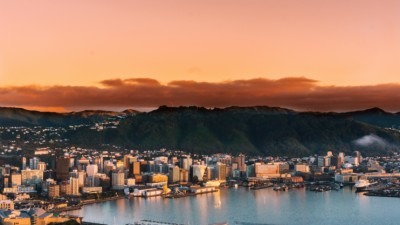
Wellington
Where culture, politics, and inclusive travel meet the harbour
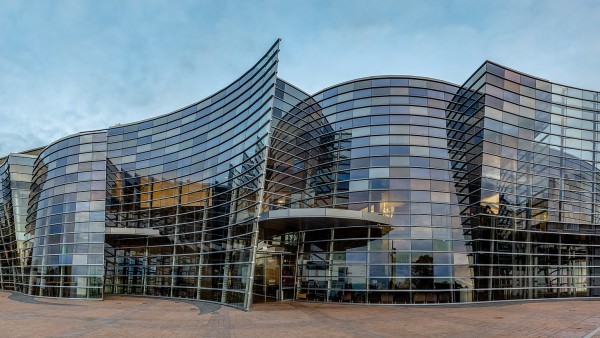
Christchurch
Explore a resilient city where culture, nature, and inclusion meet.
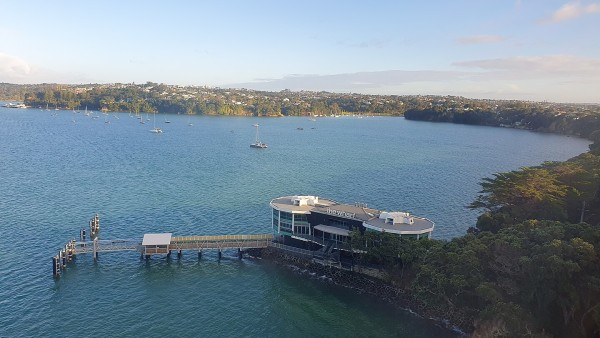
Northcote
Discover a welcoming slice of Aotearoa with strong community values.
Manukau City
Multicultural streets, easier solo exploring, and a welcoming base near Auckland’s urban heart.